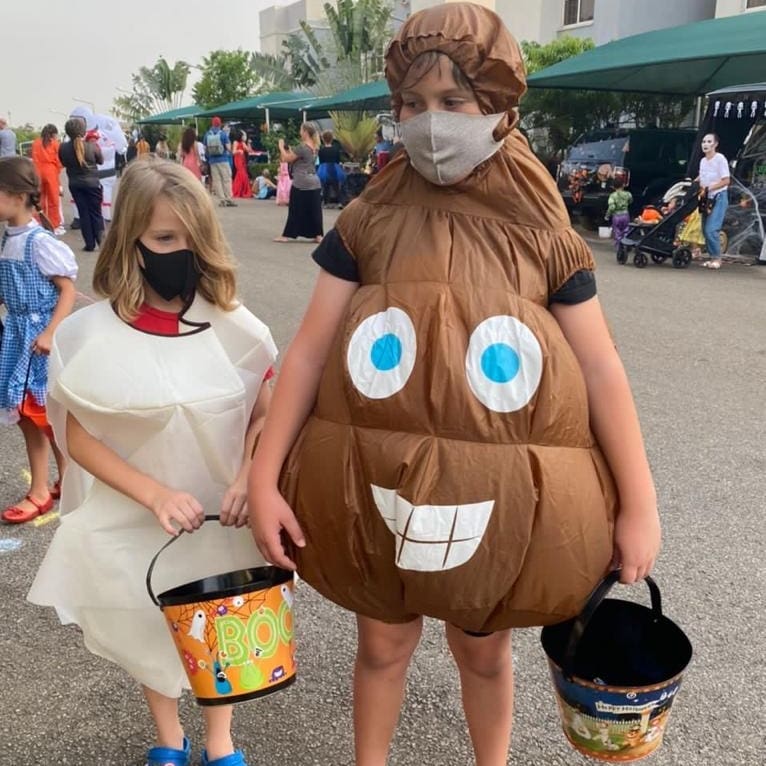
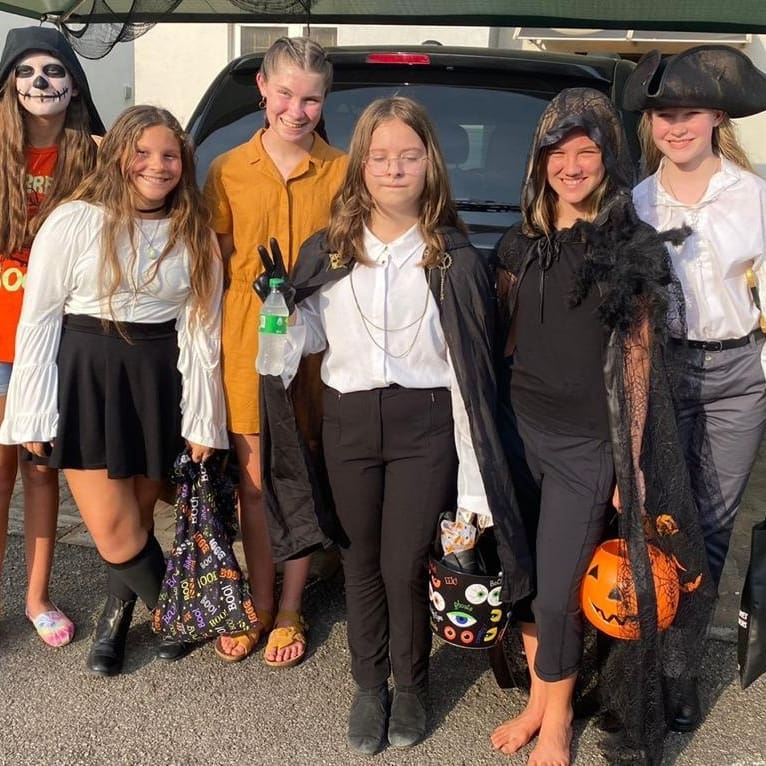
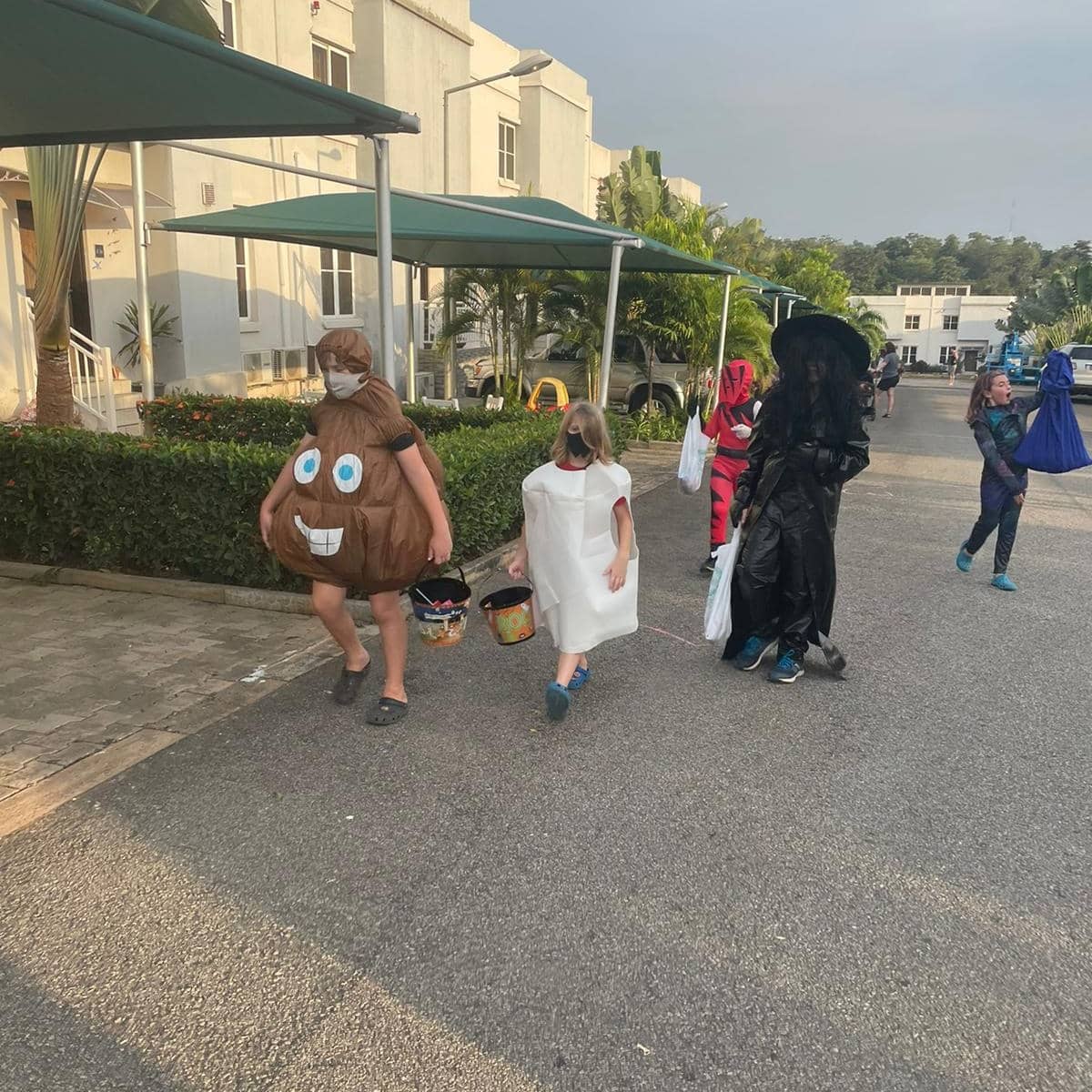
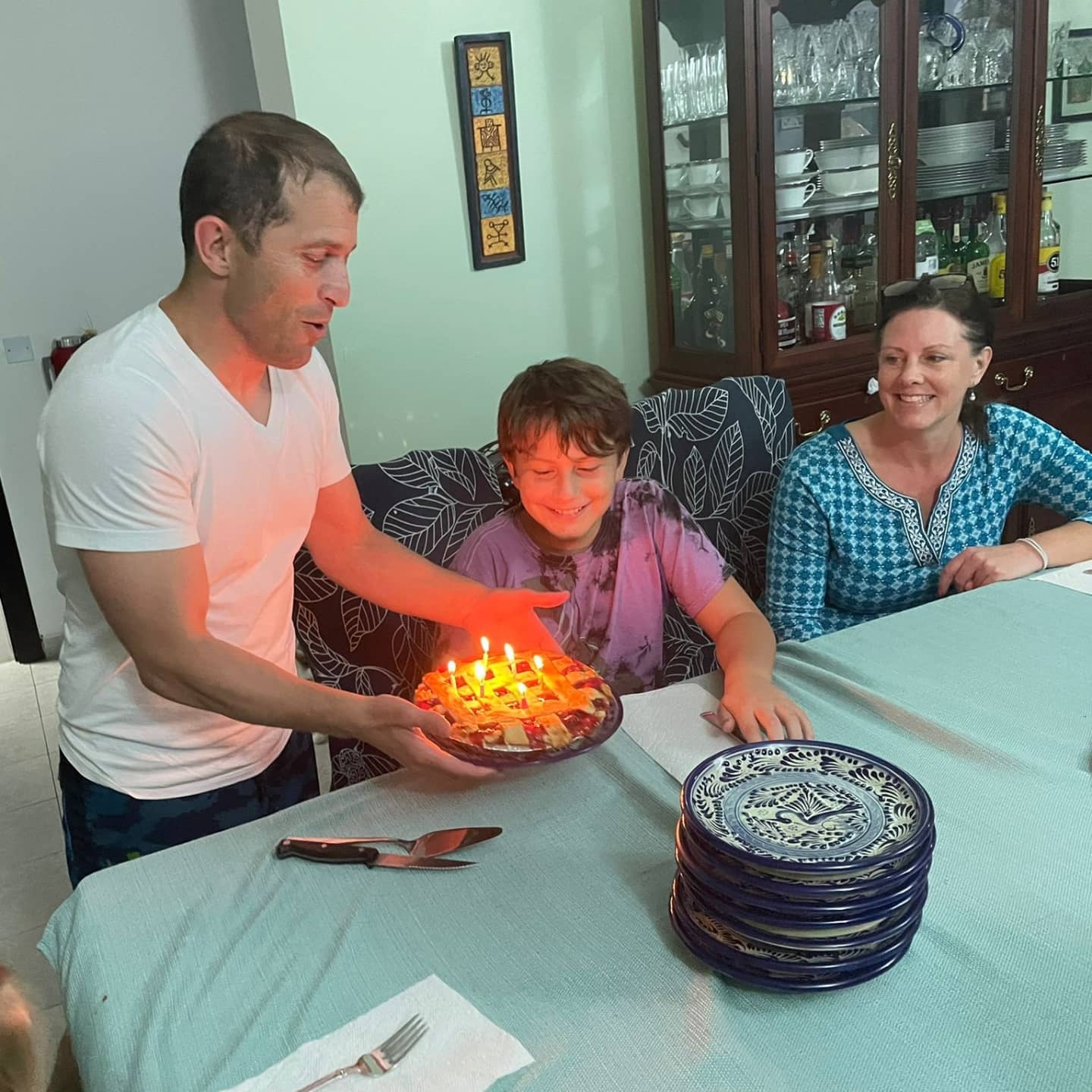
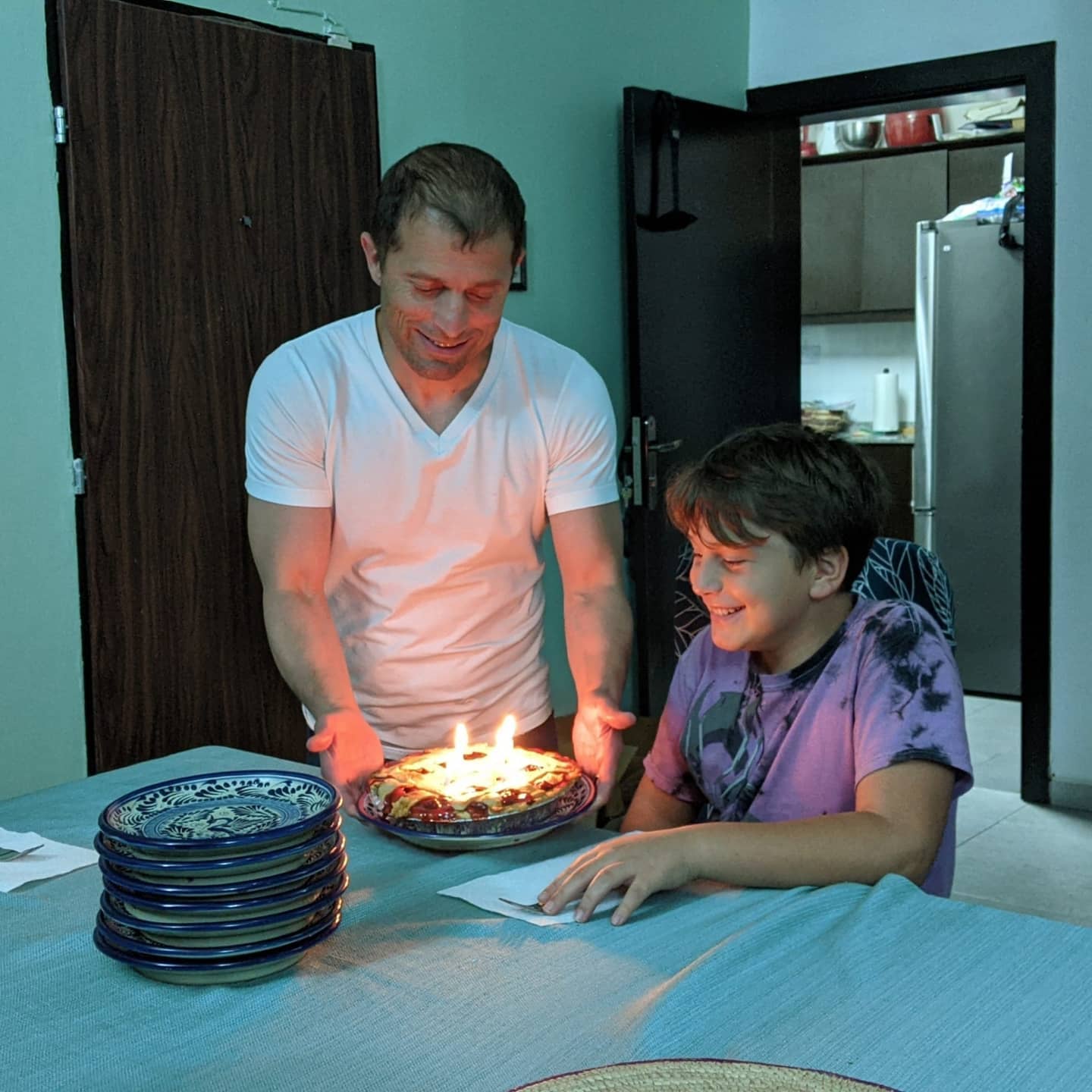
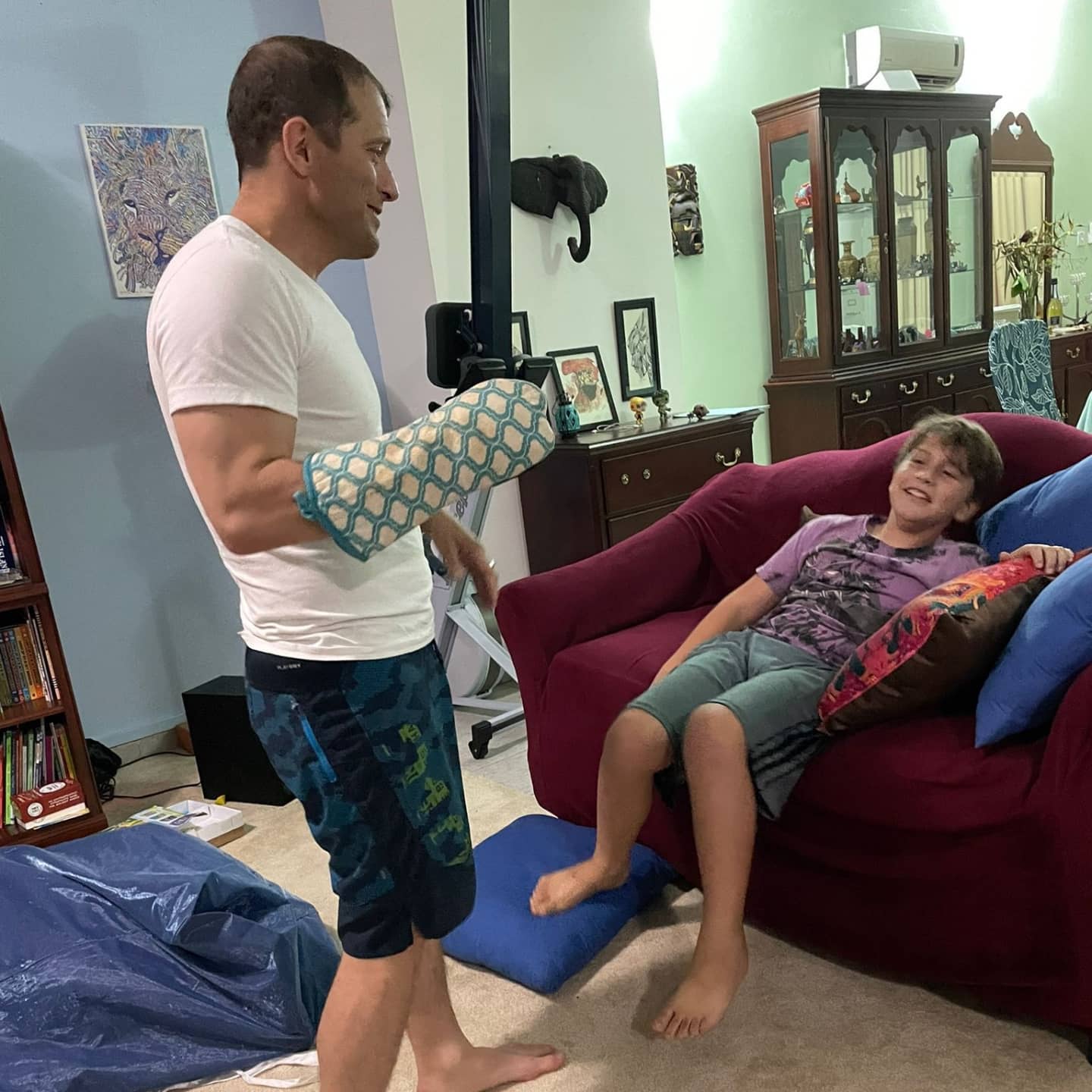
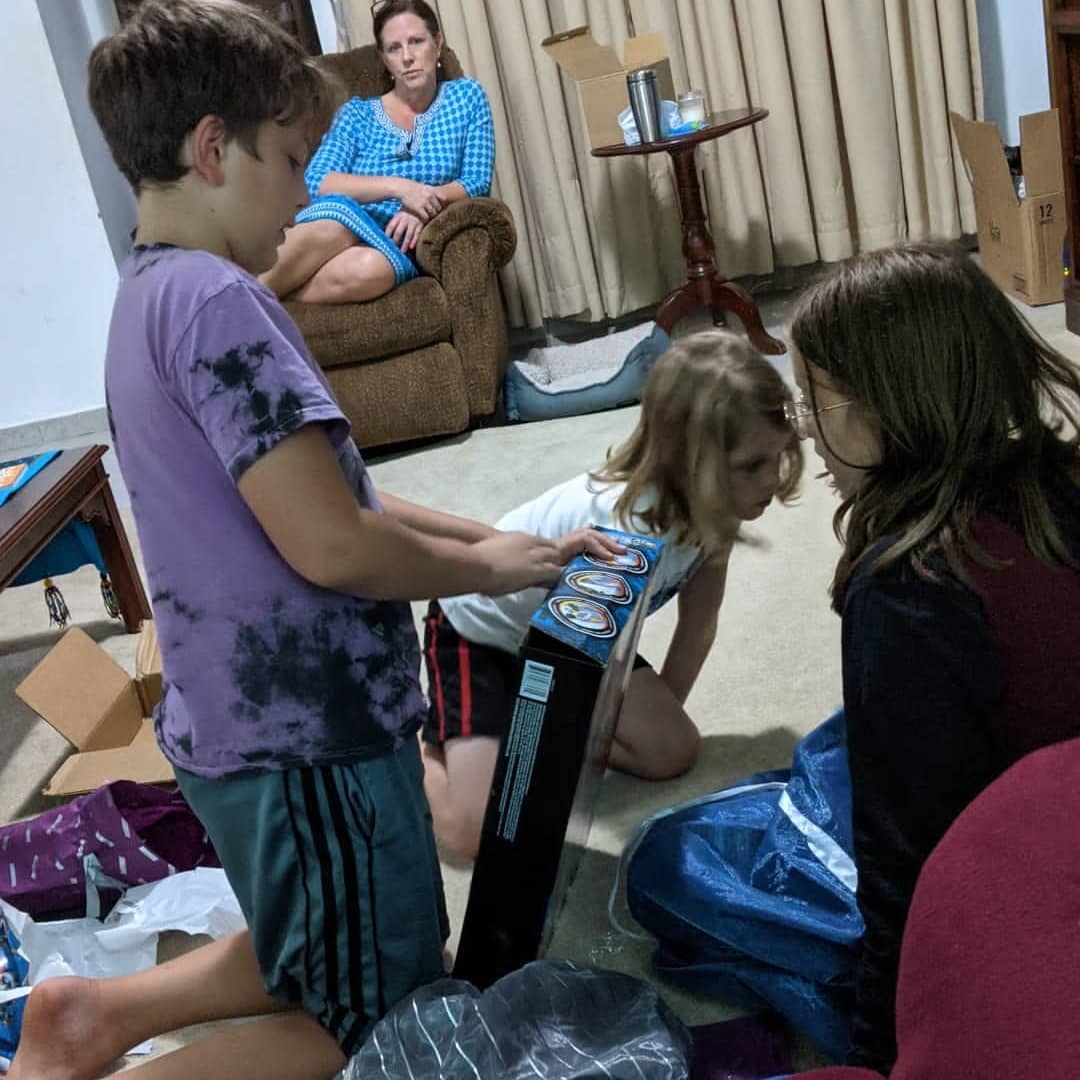
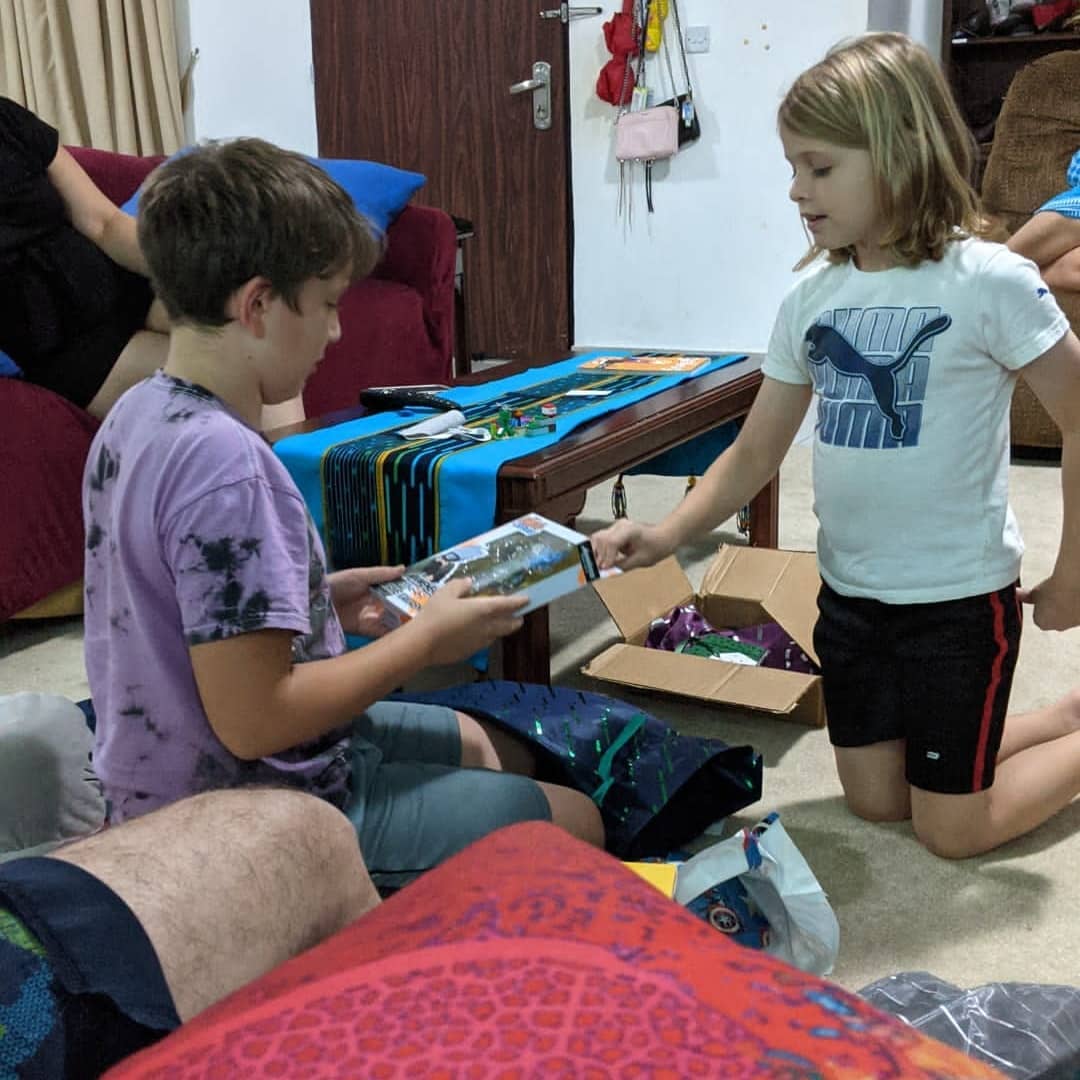
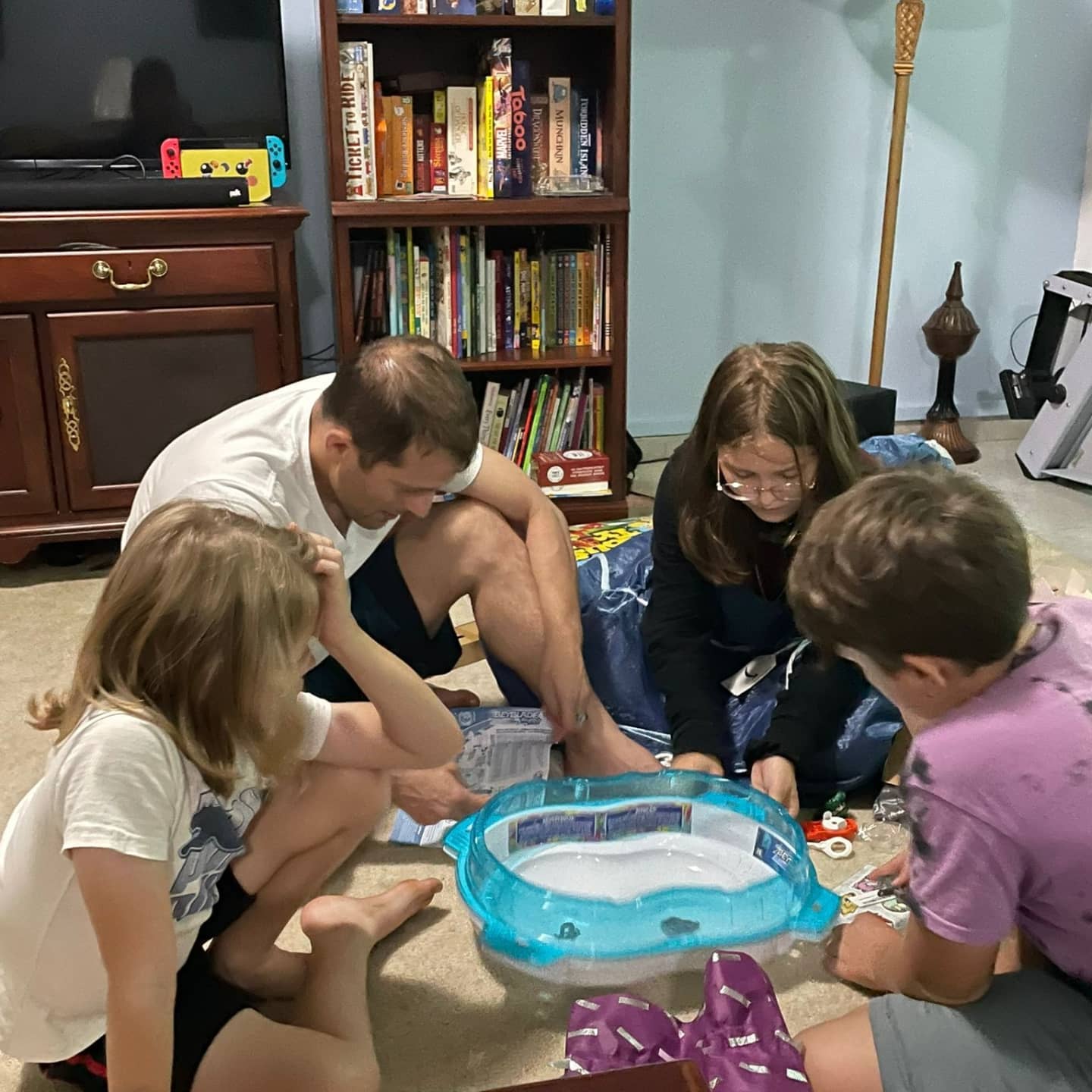
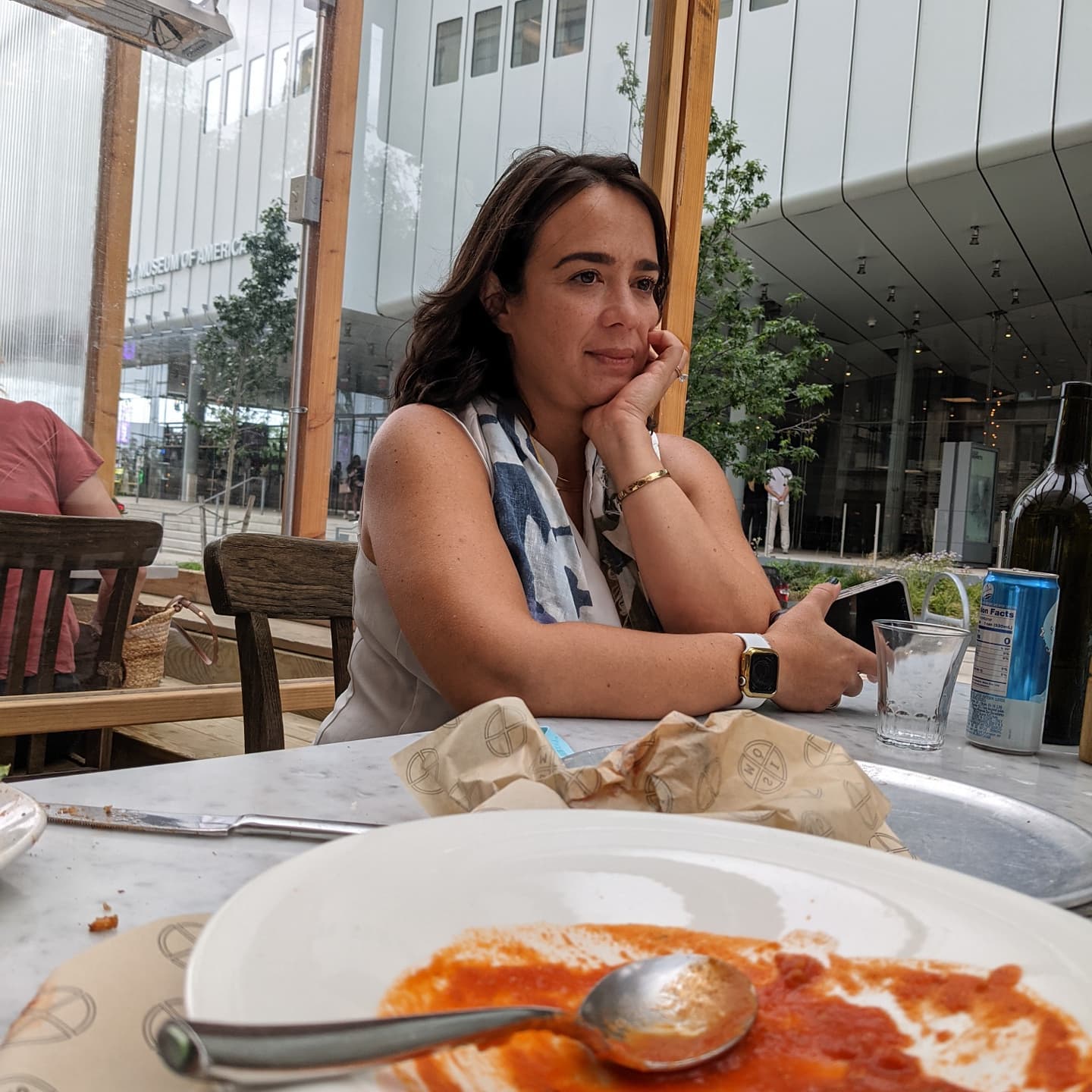
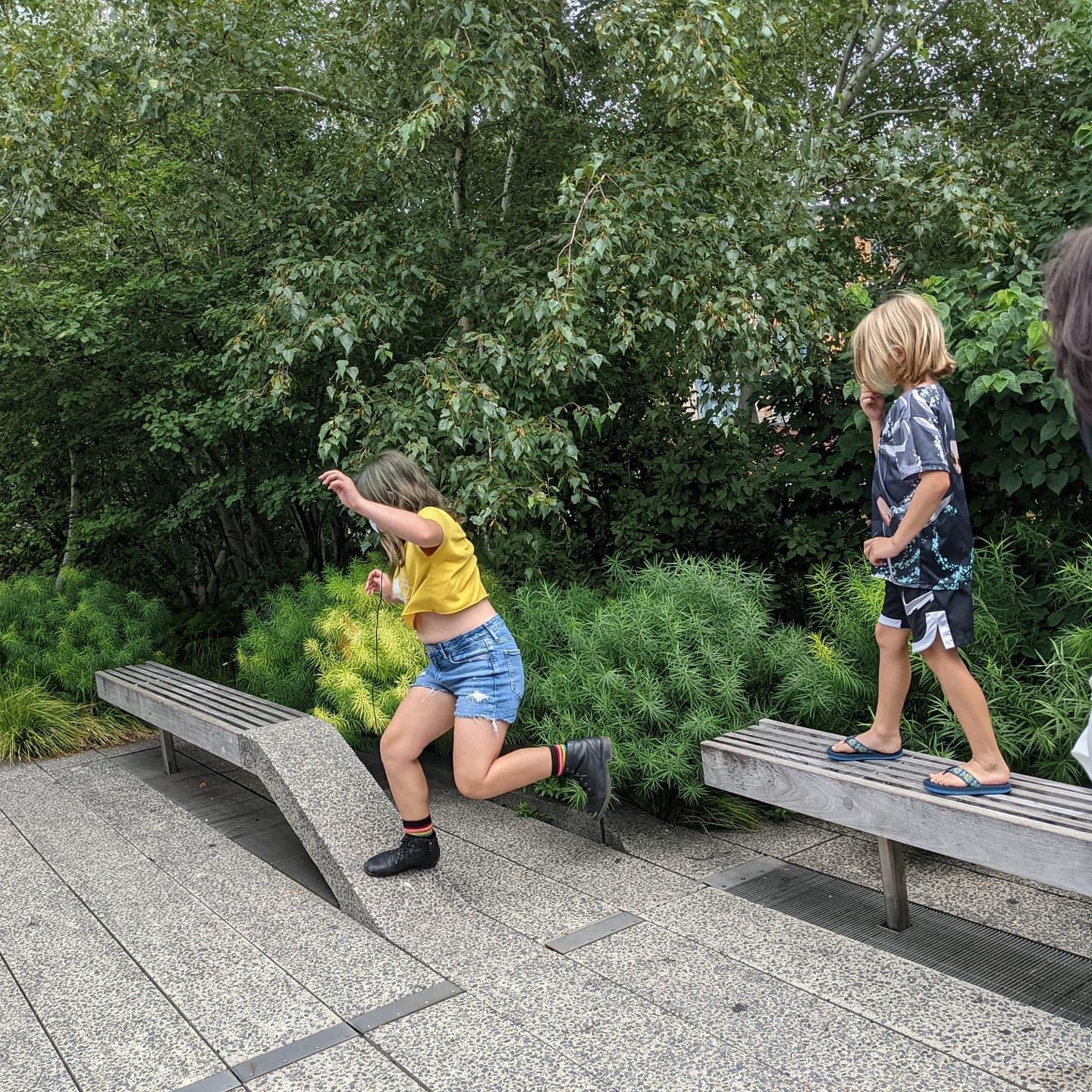
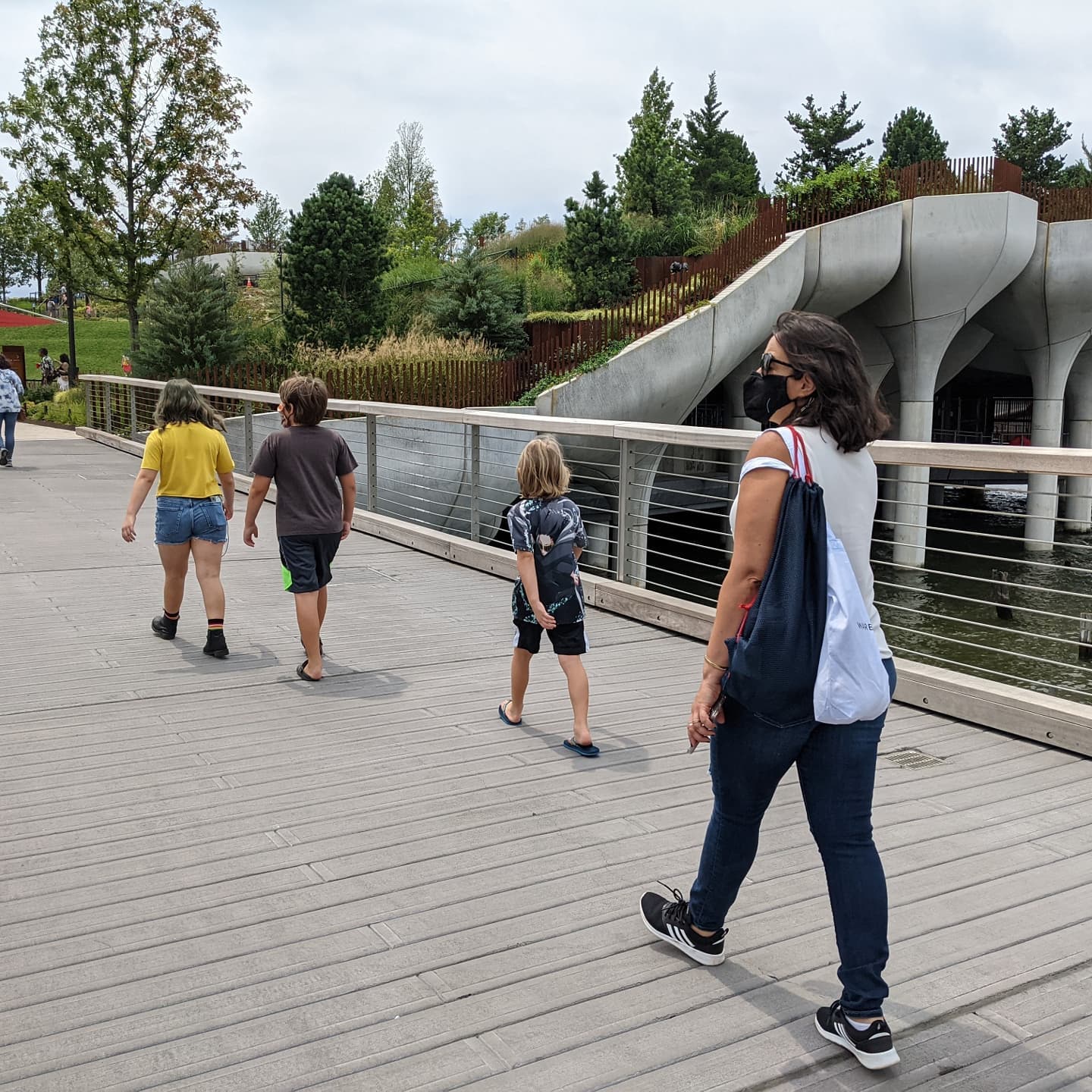
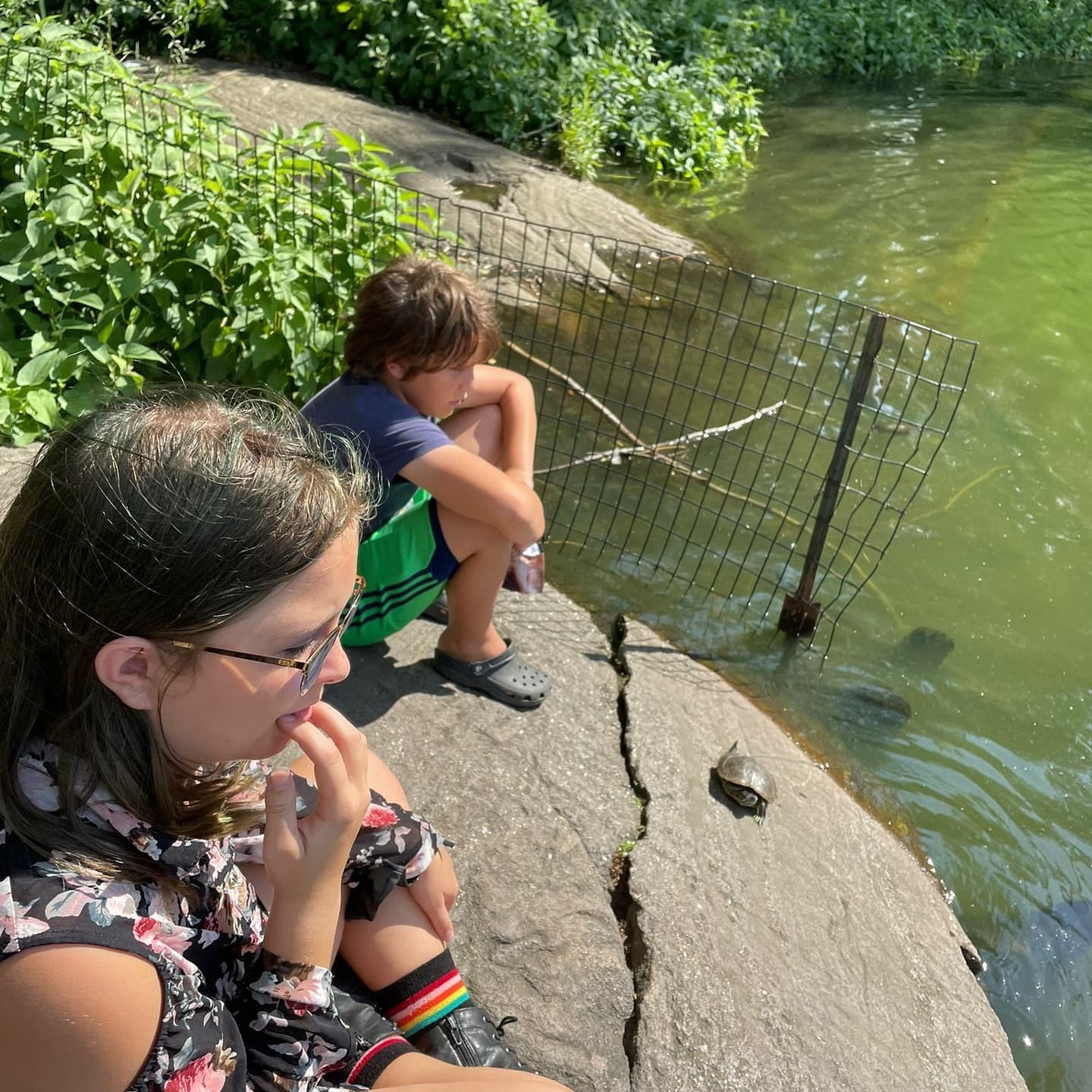
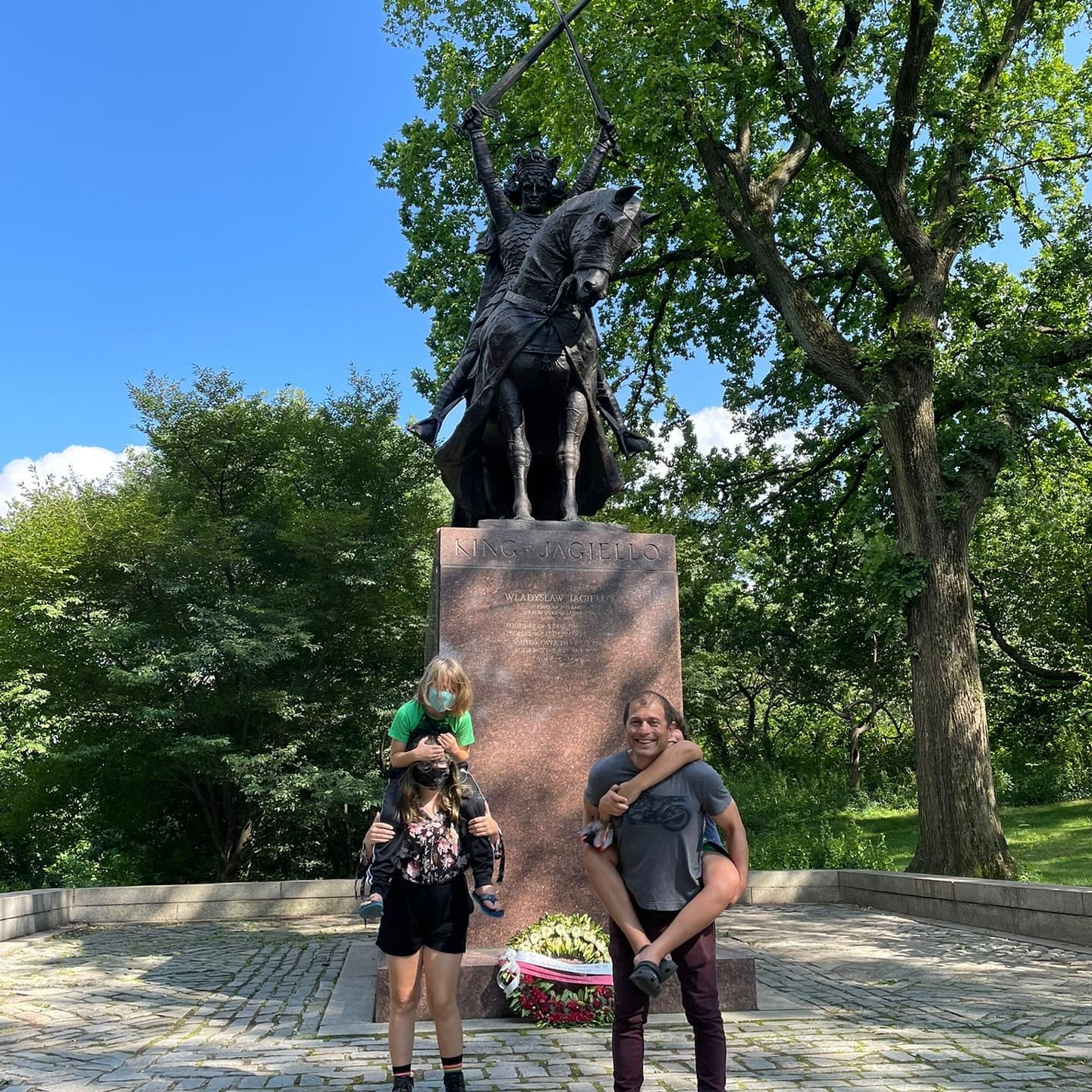
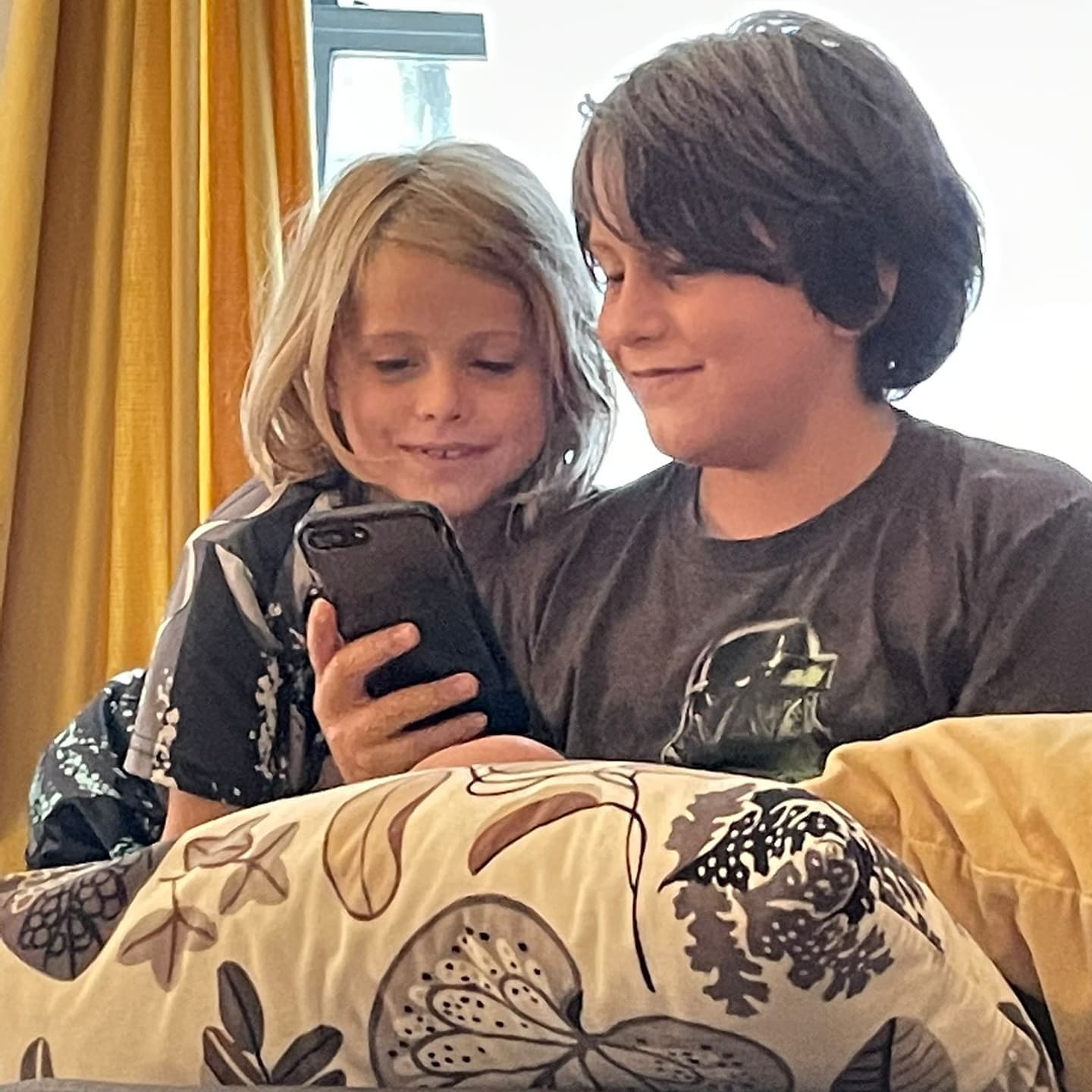
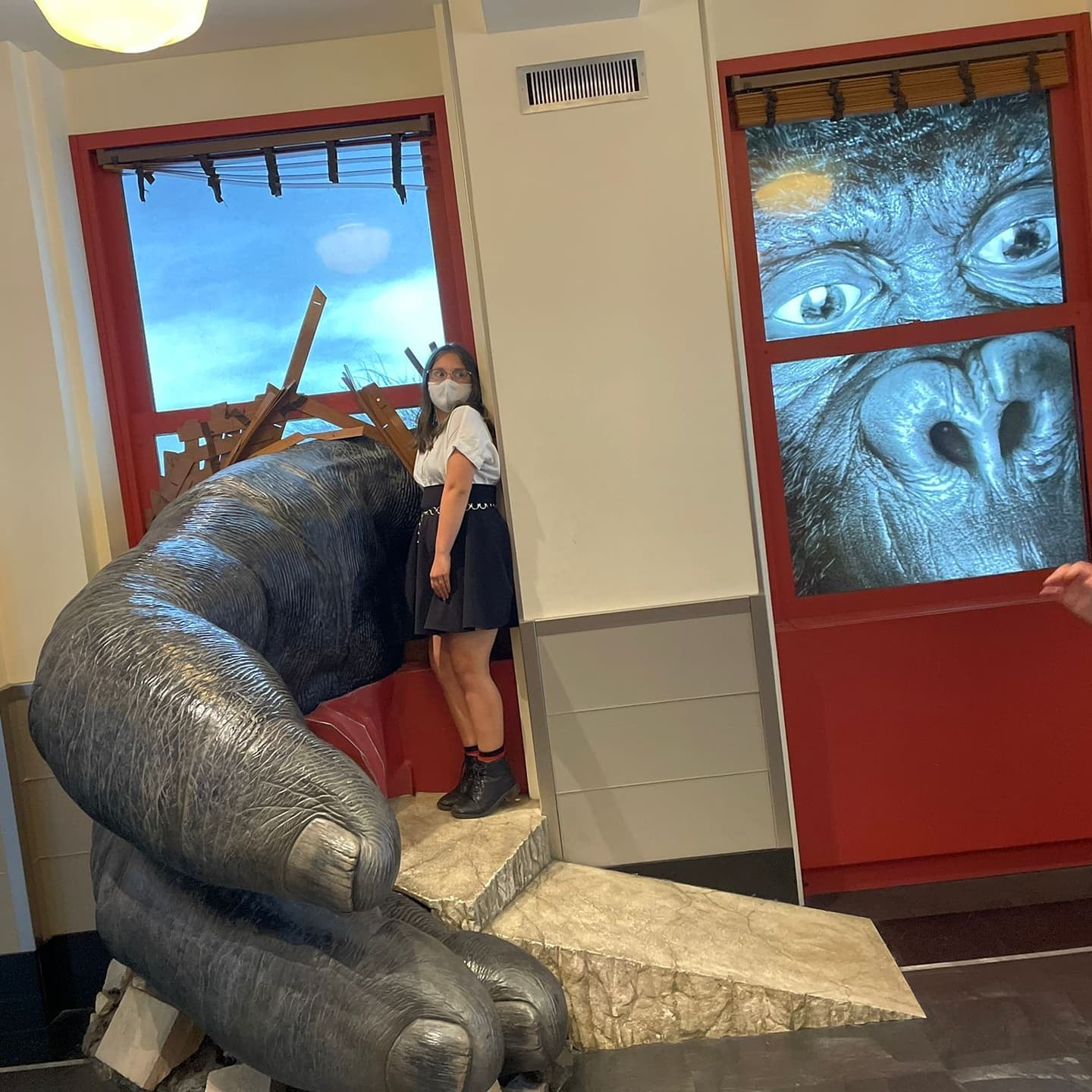
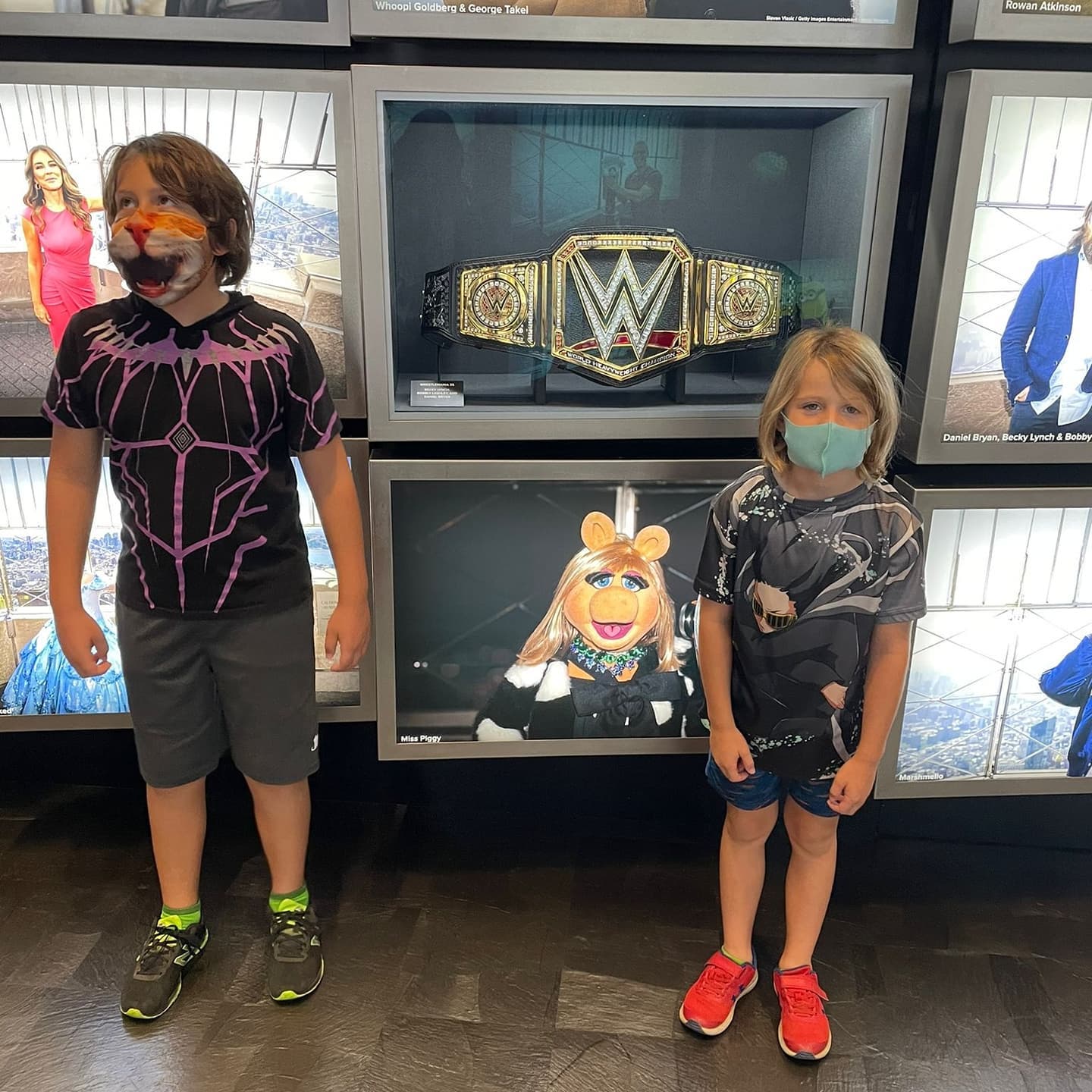
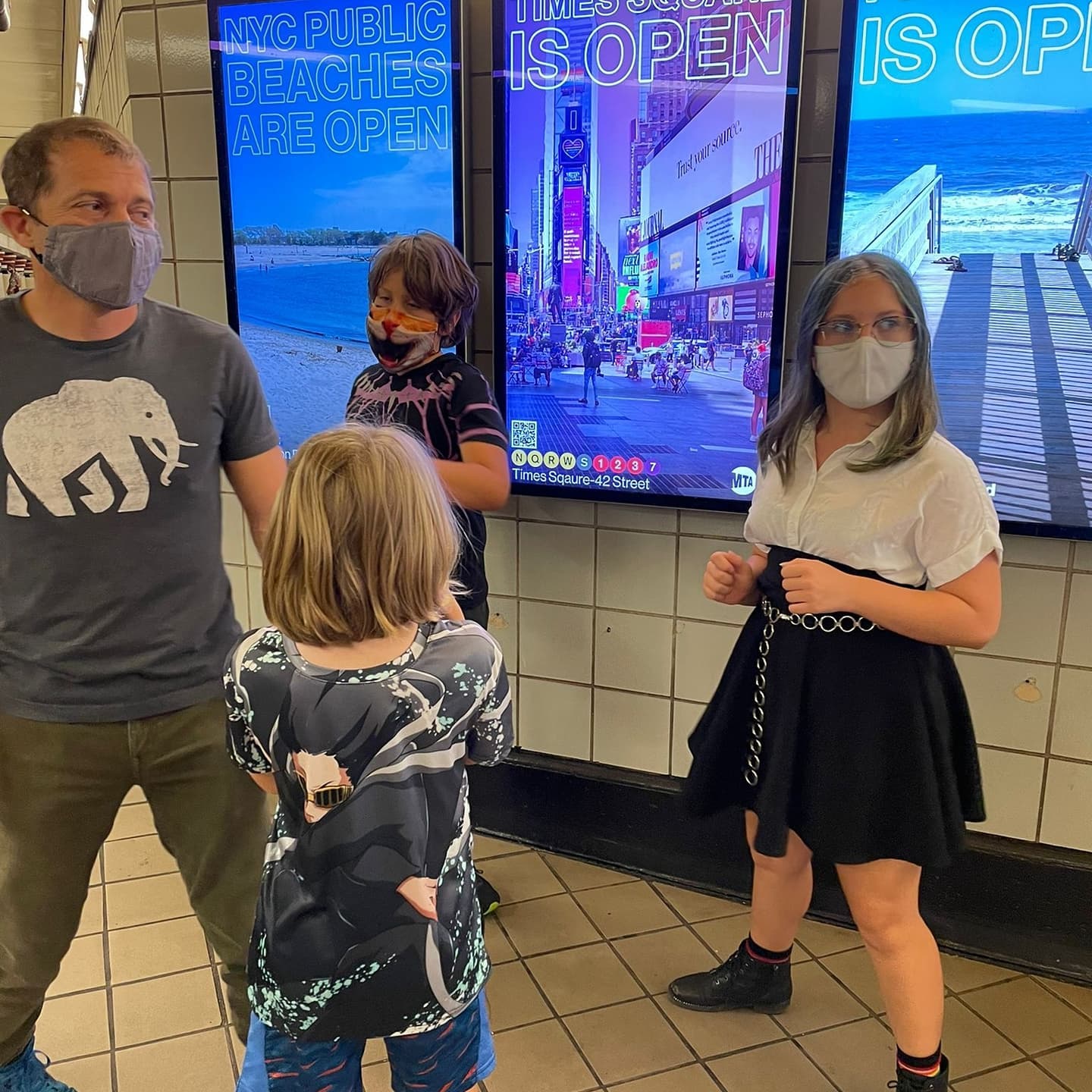
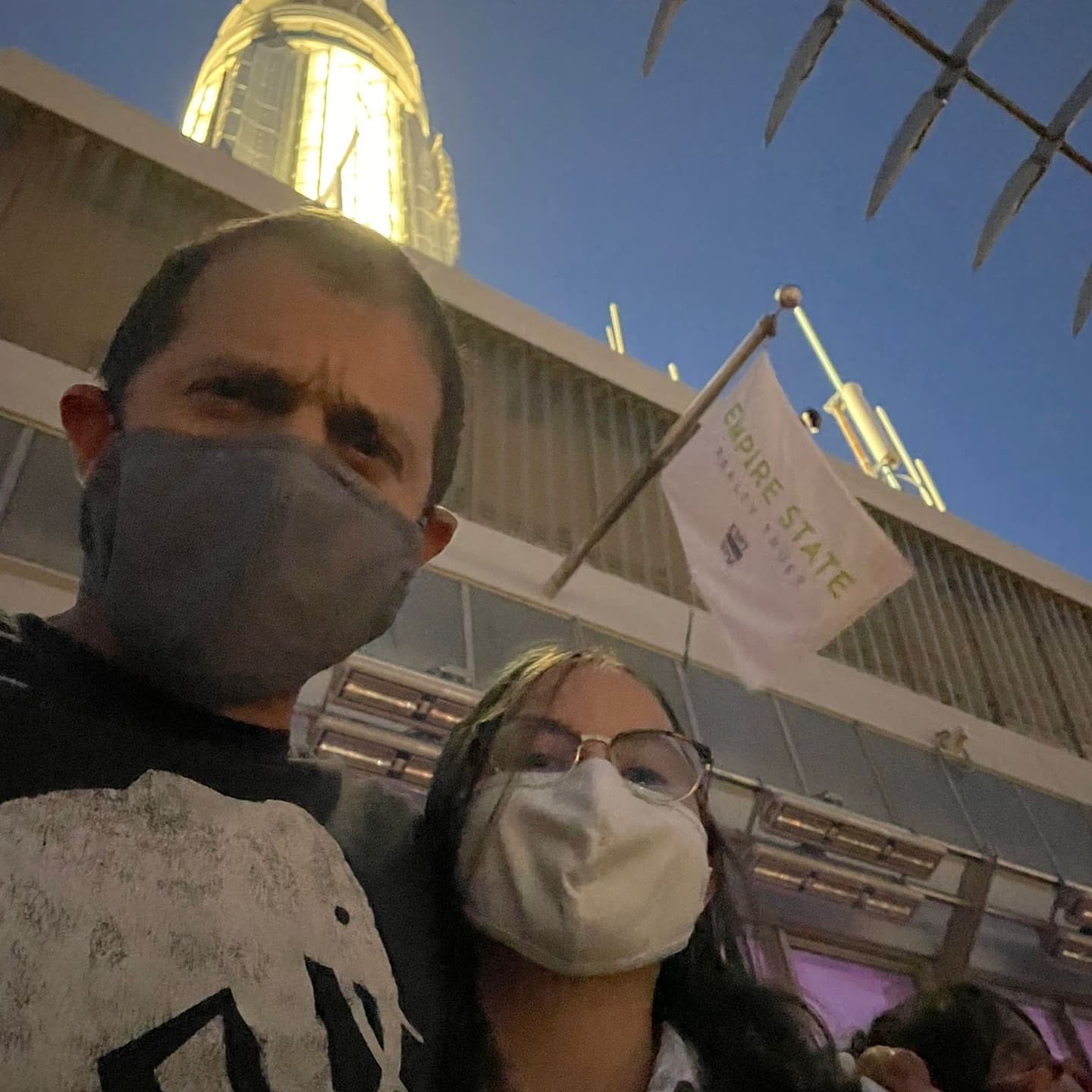
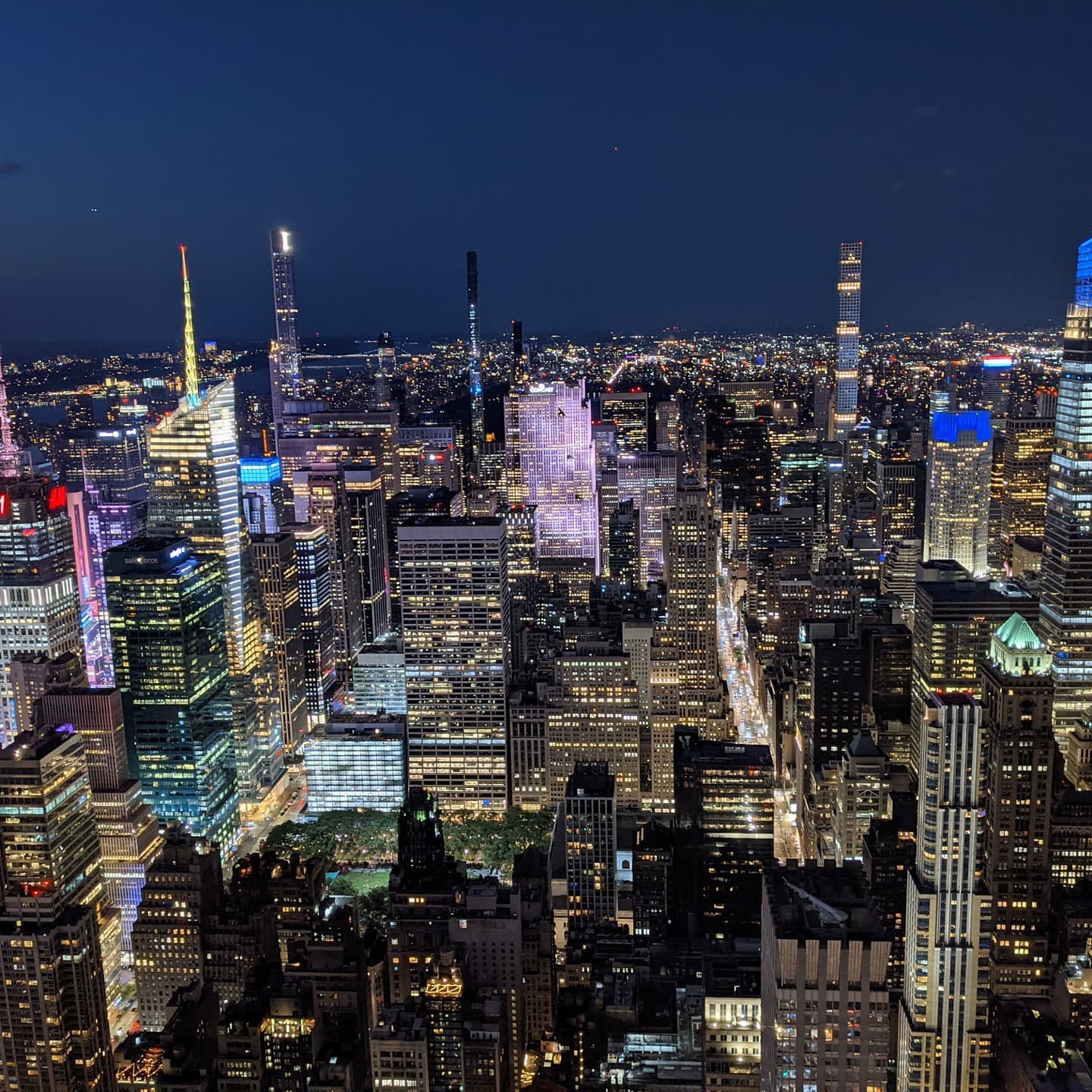
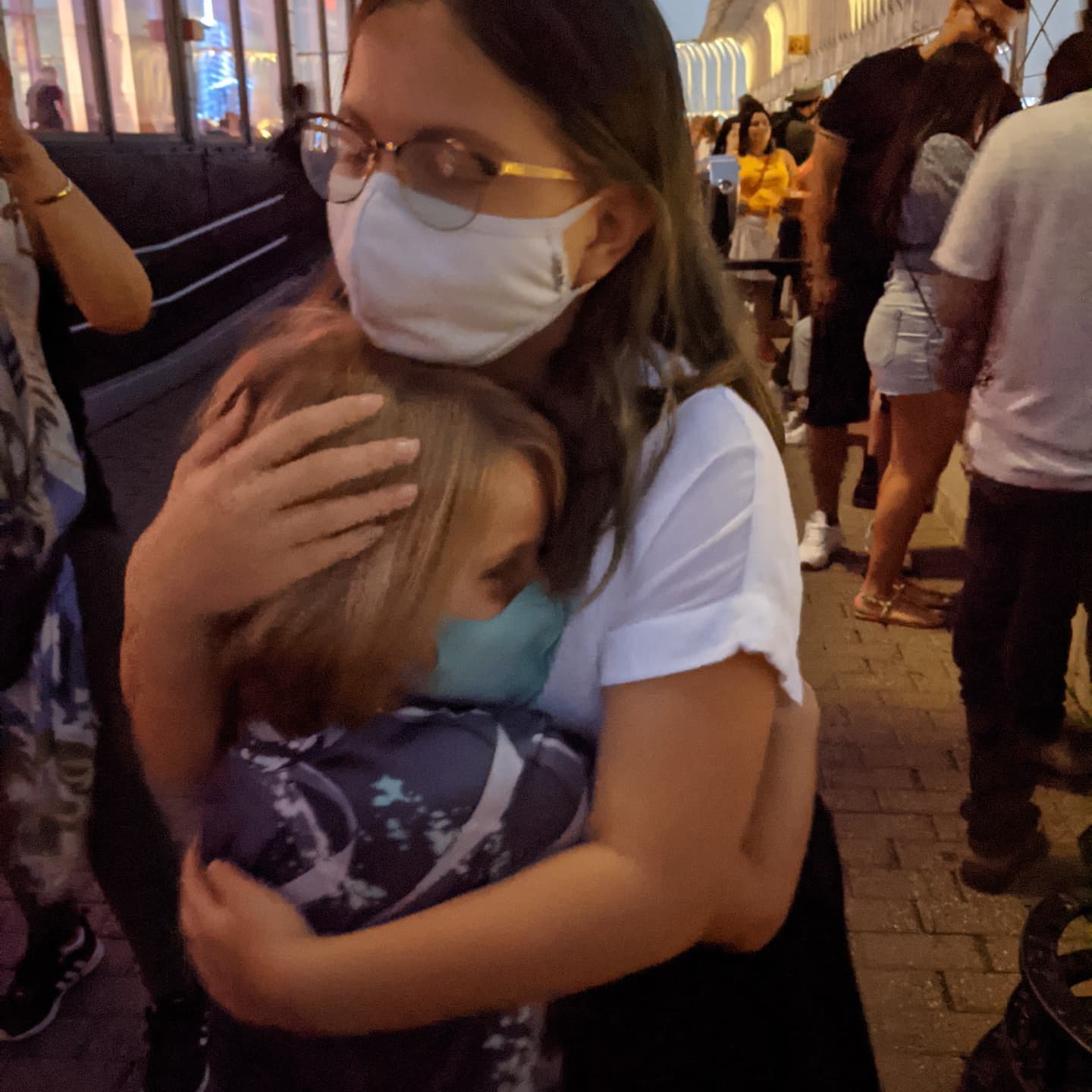
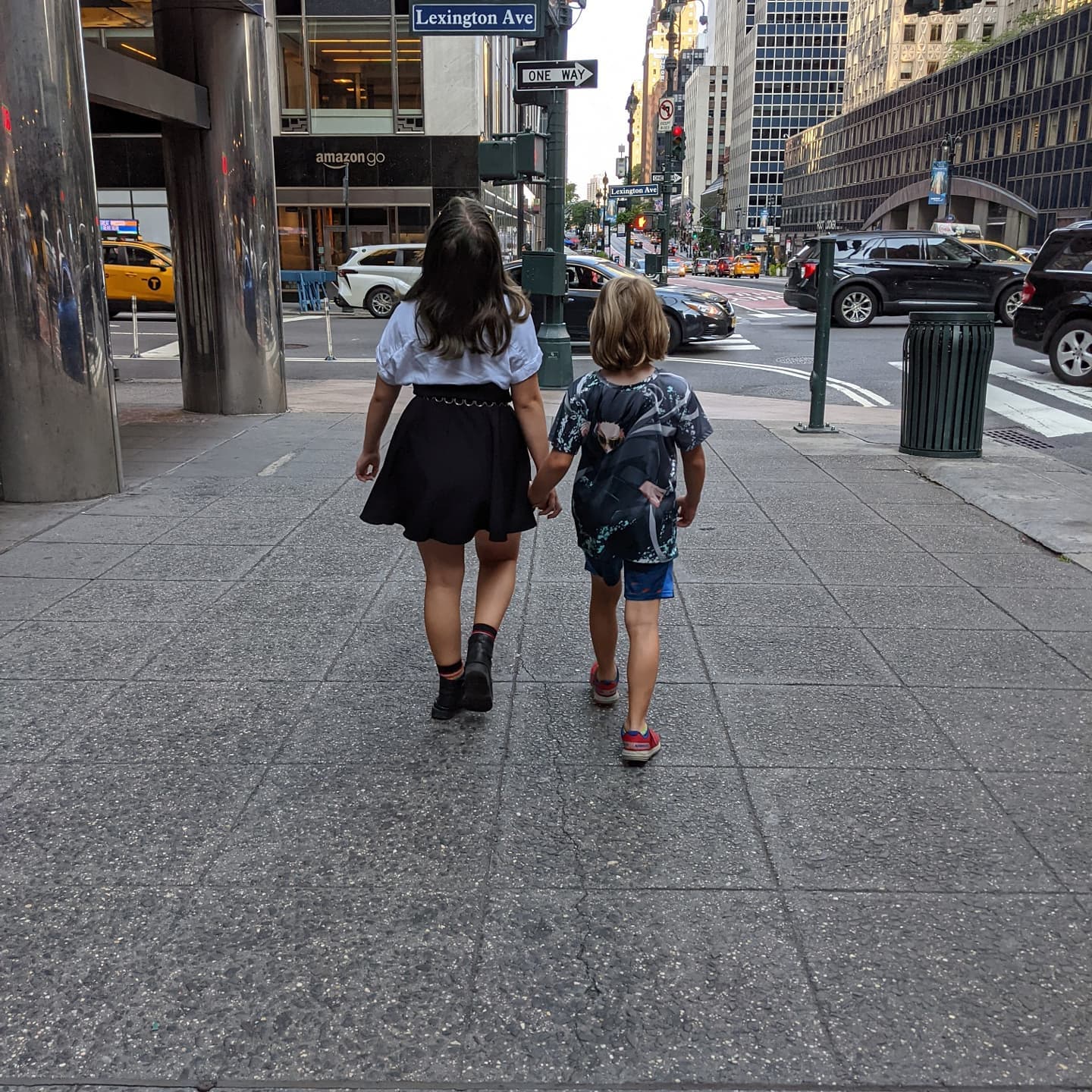
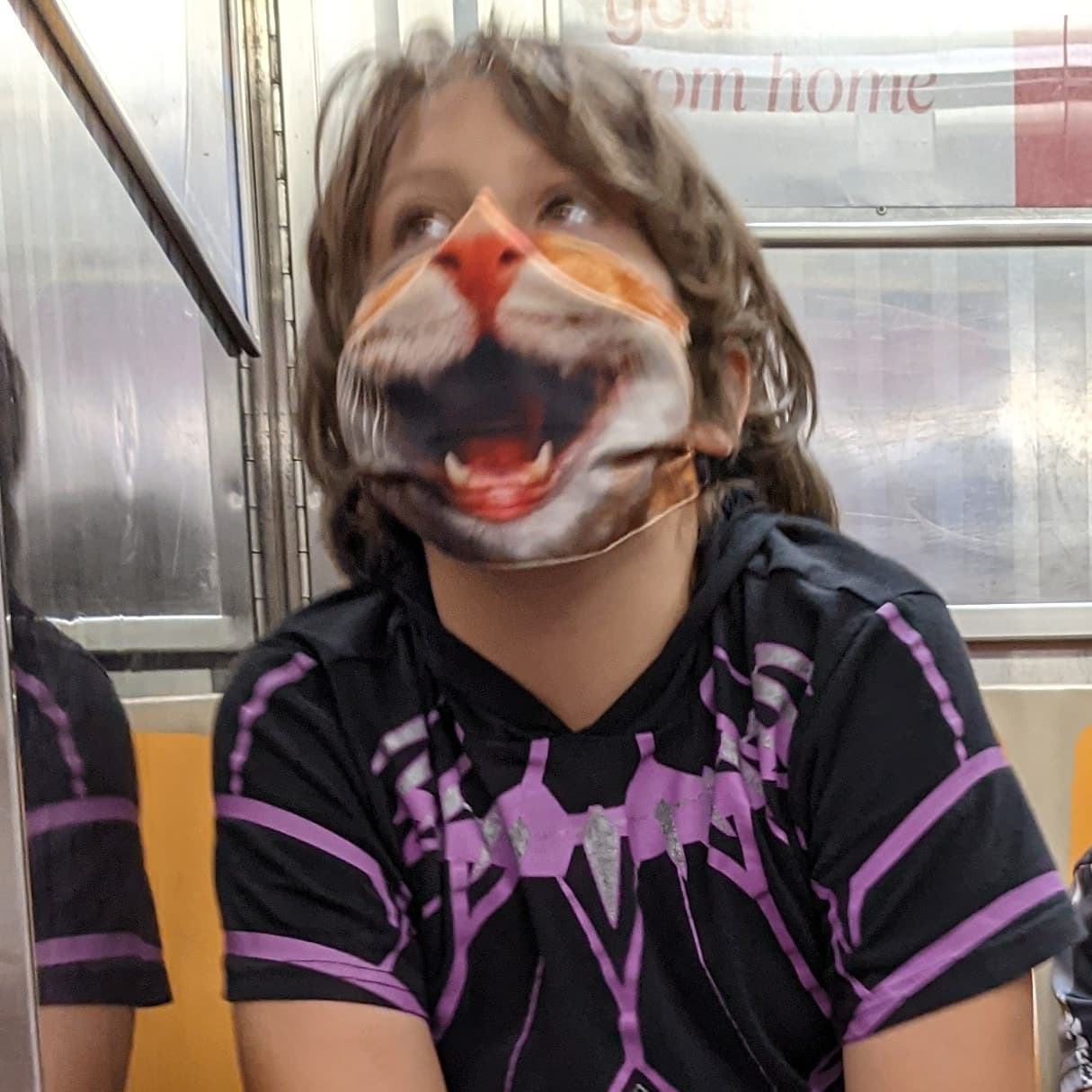
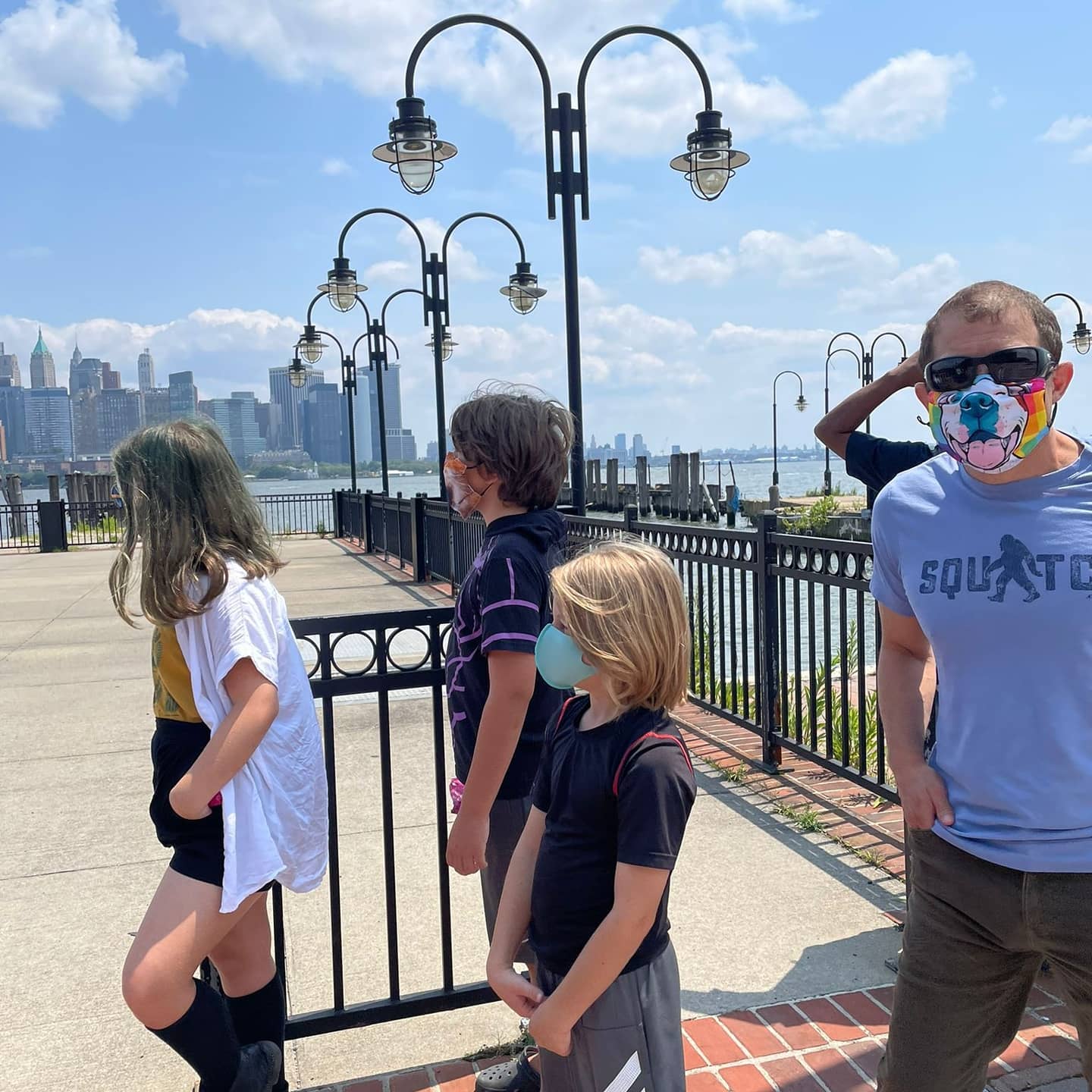
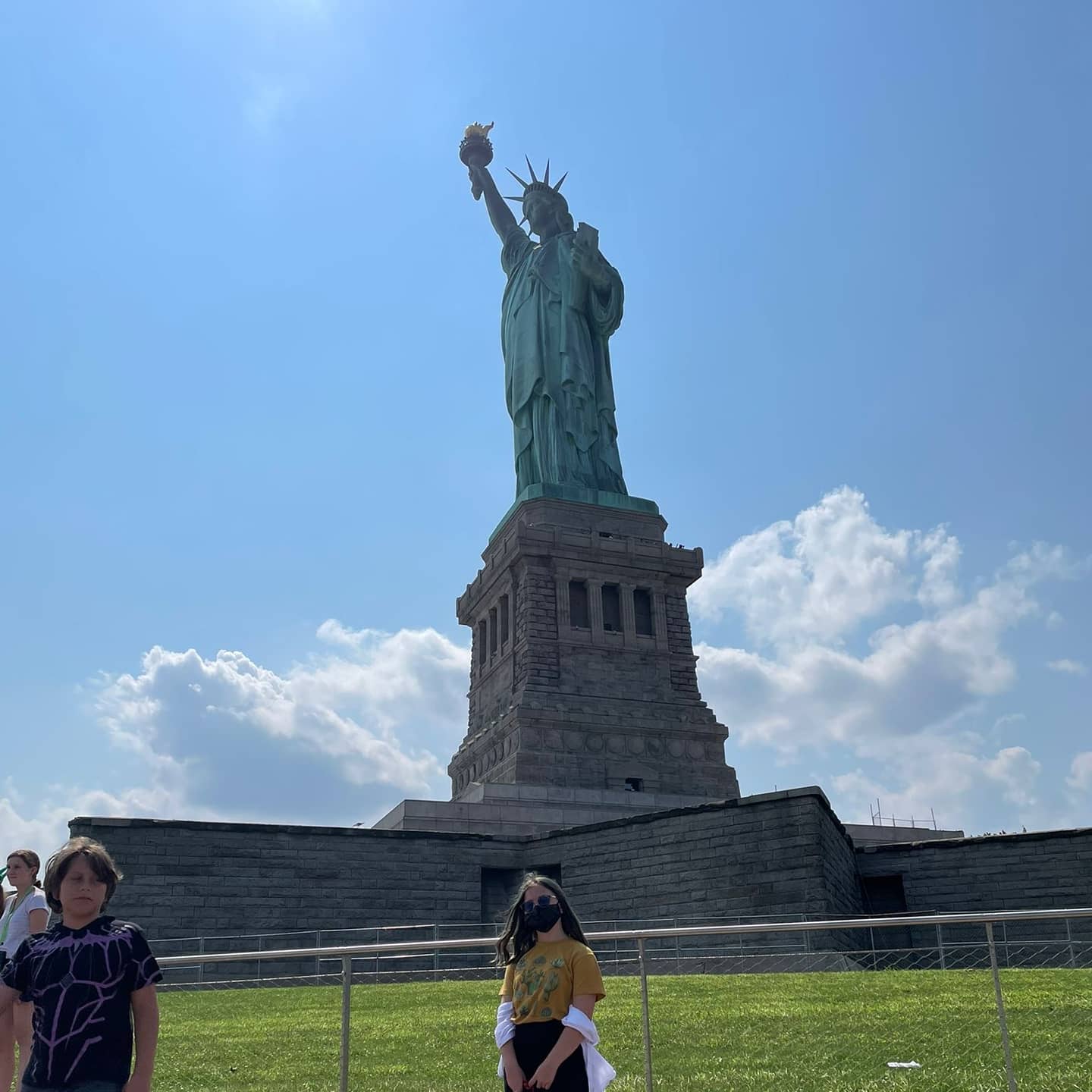
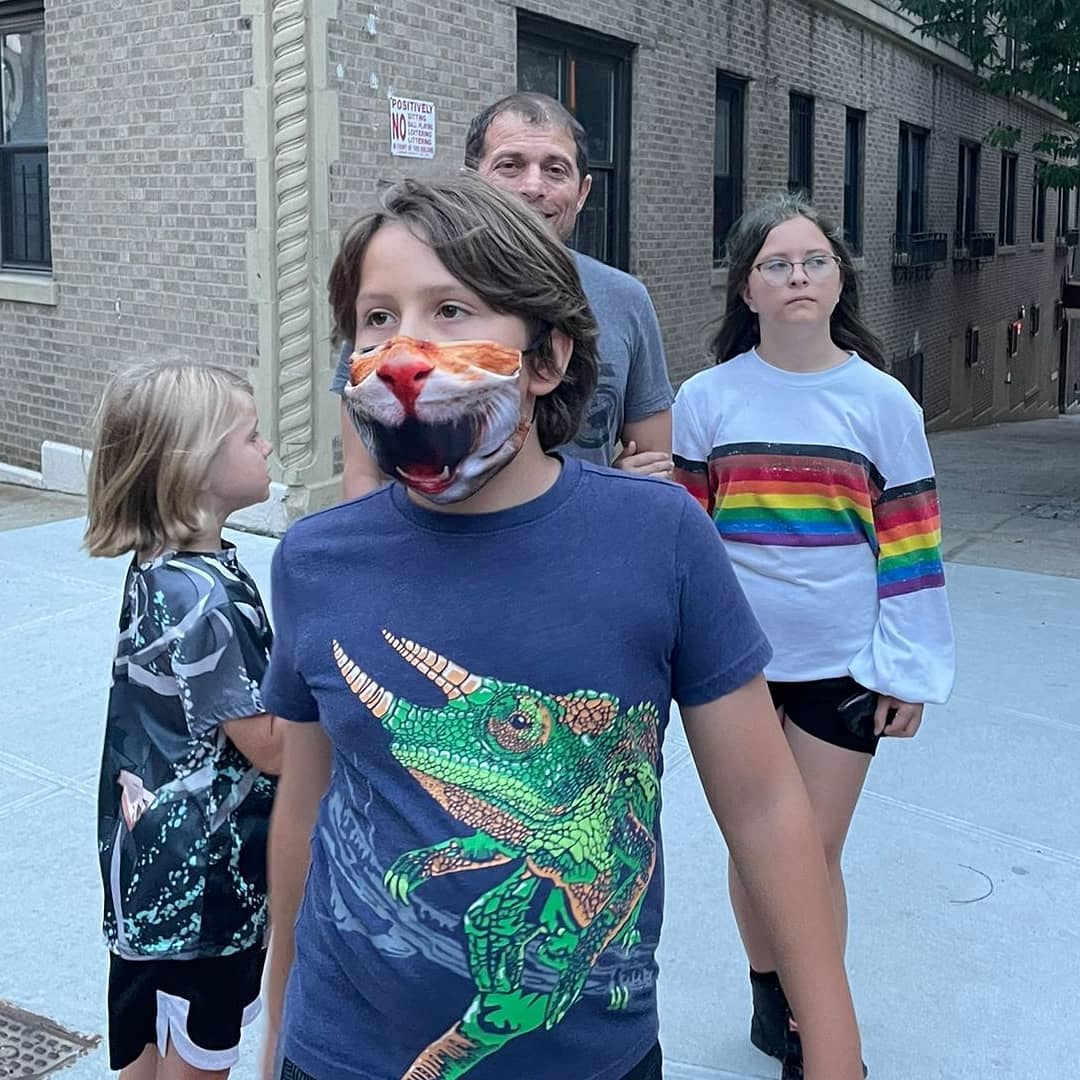
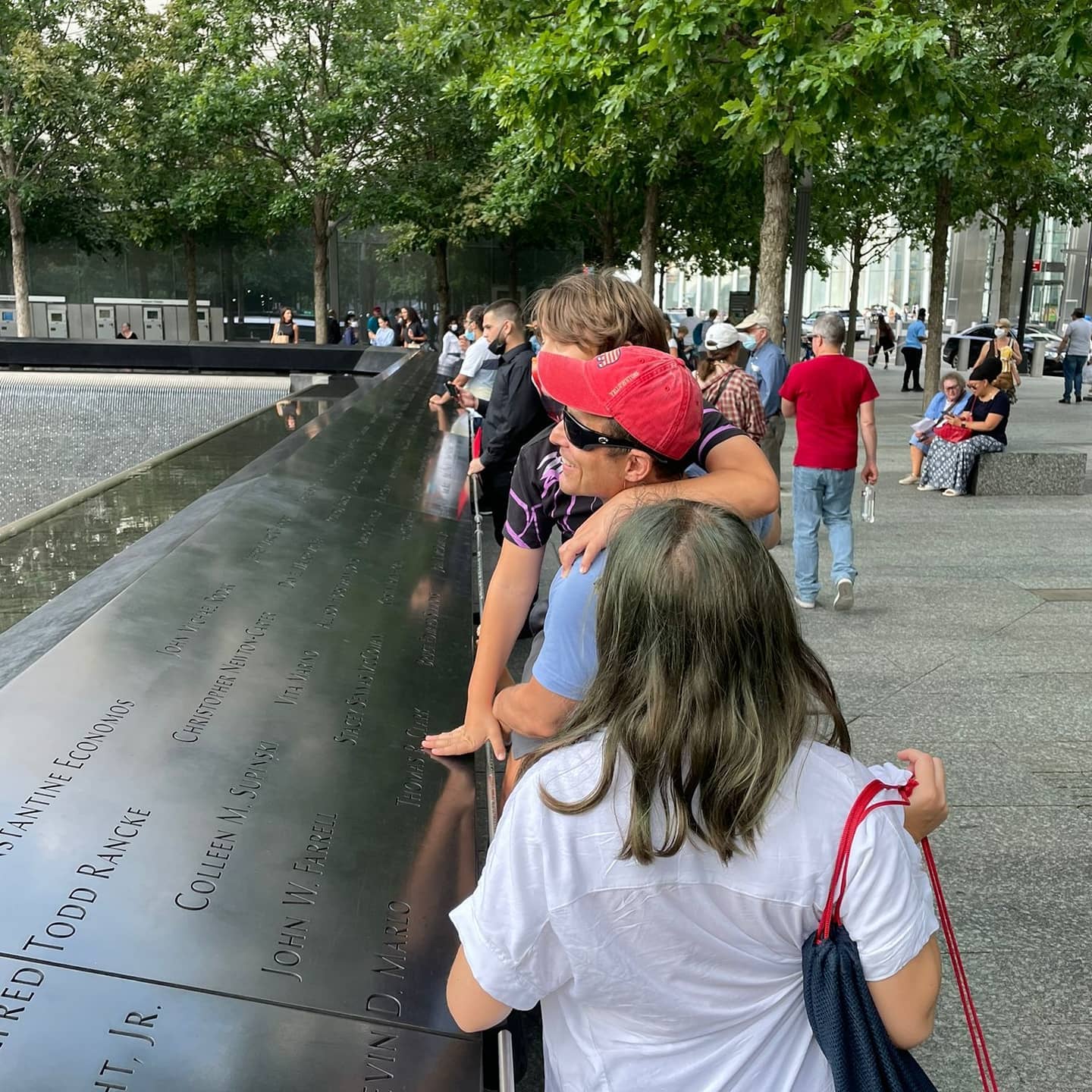
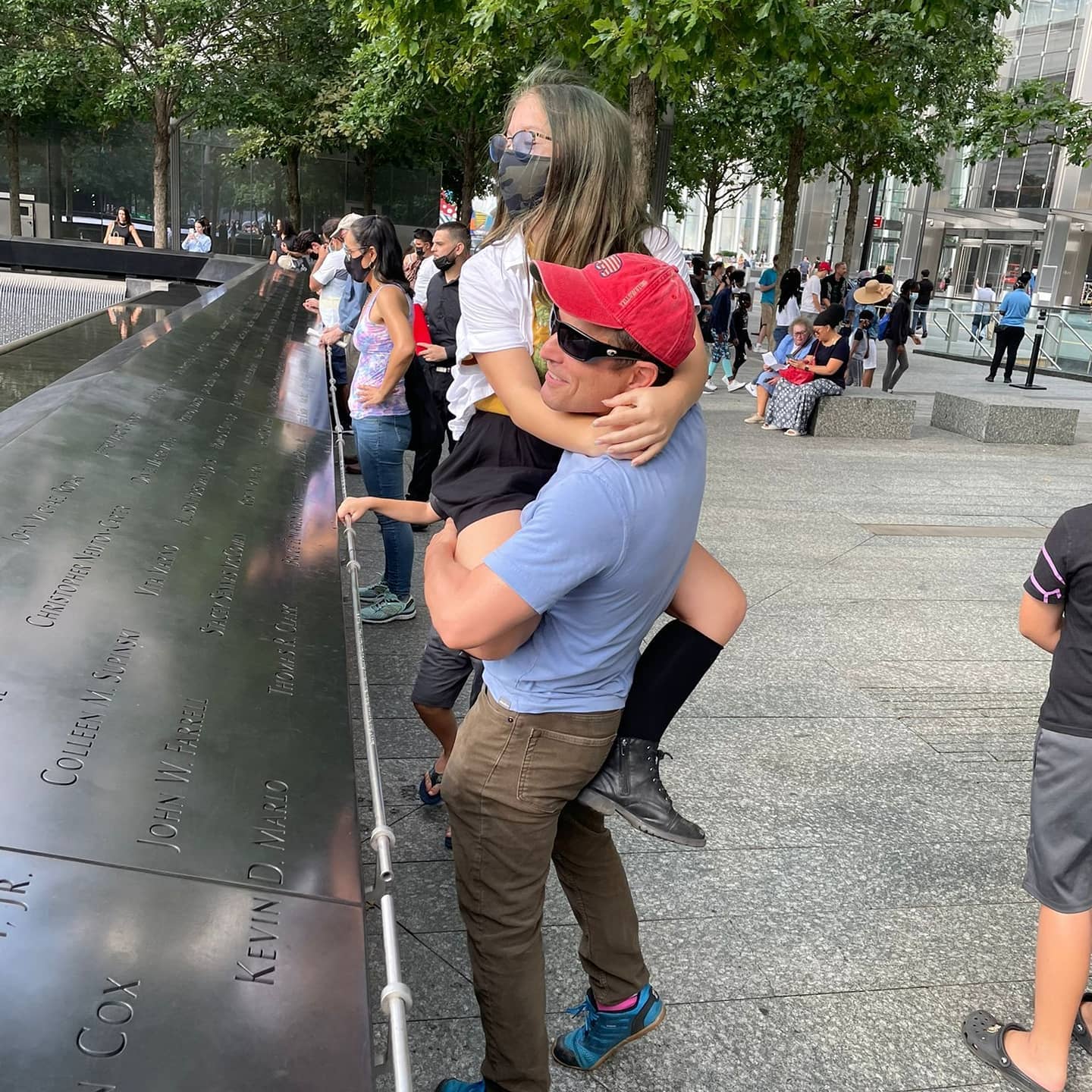
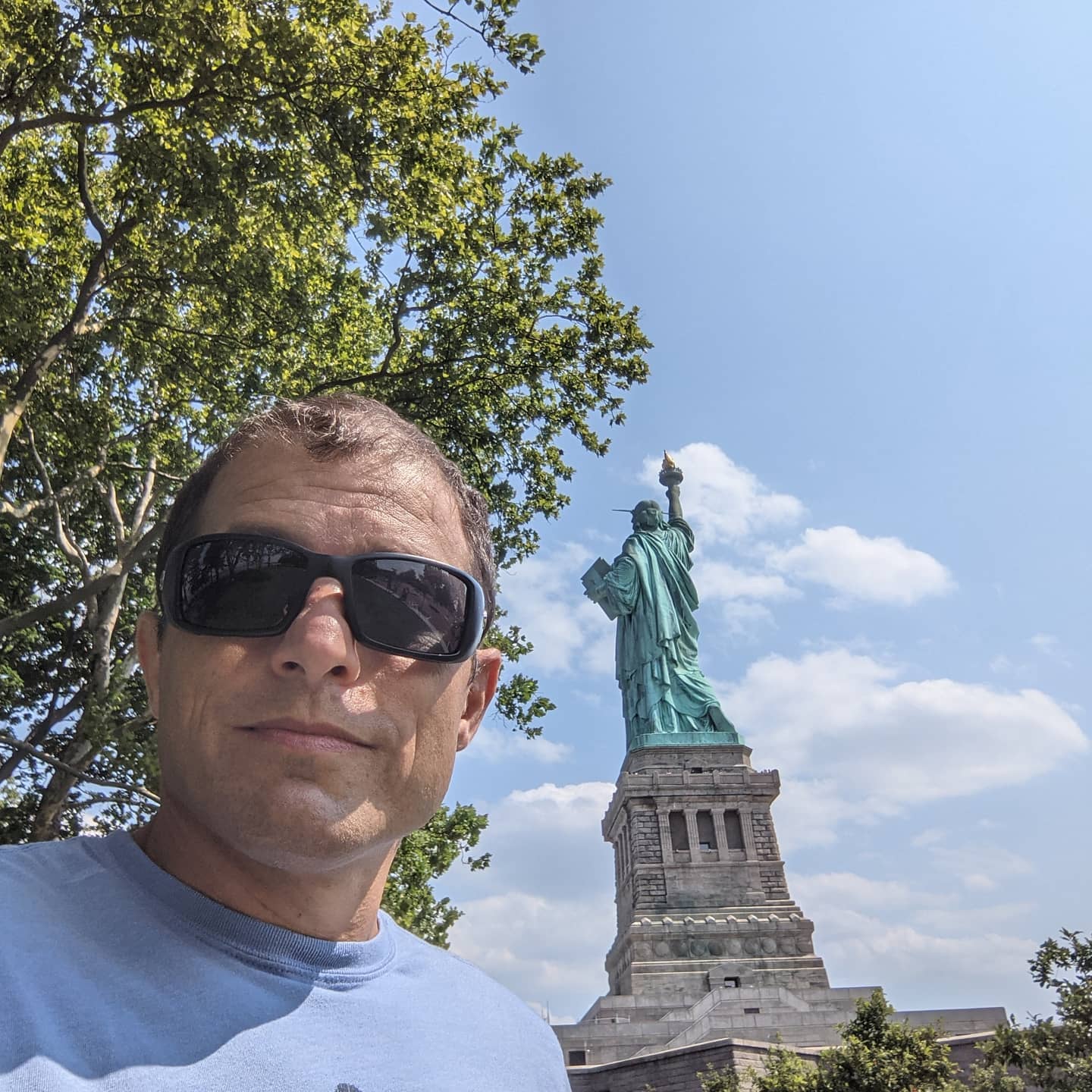
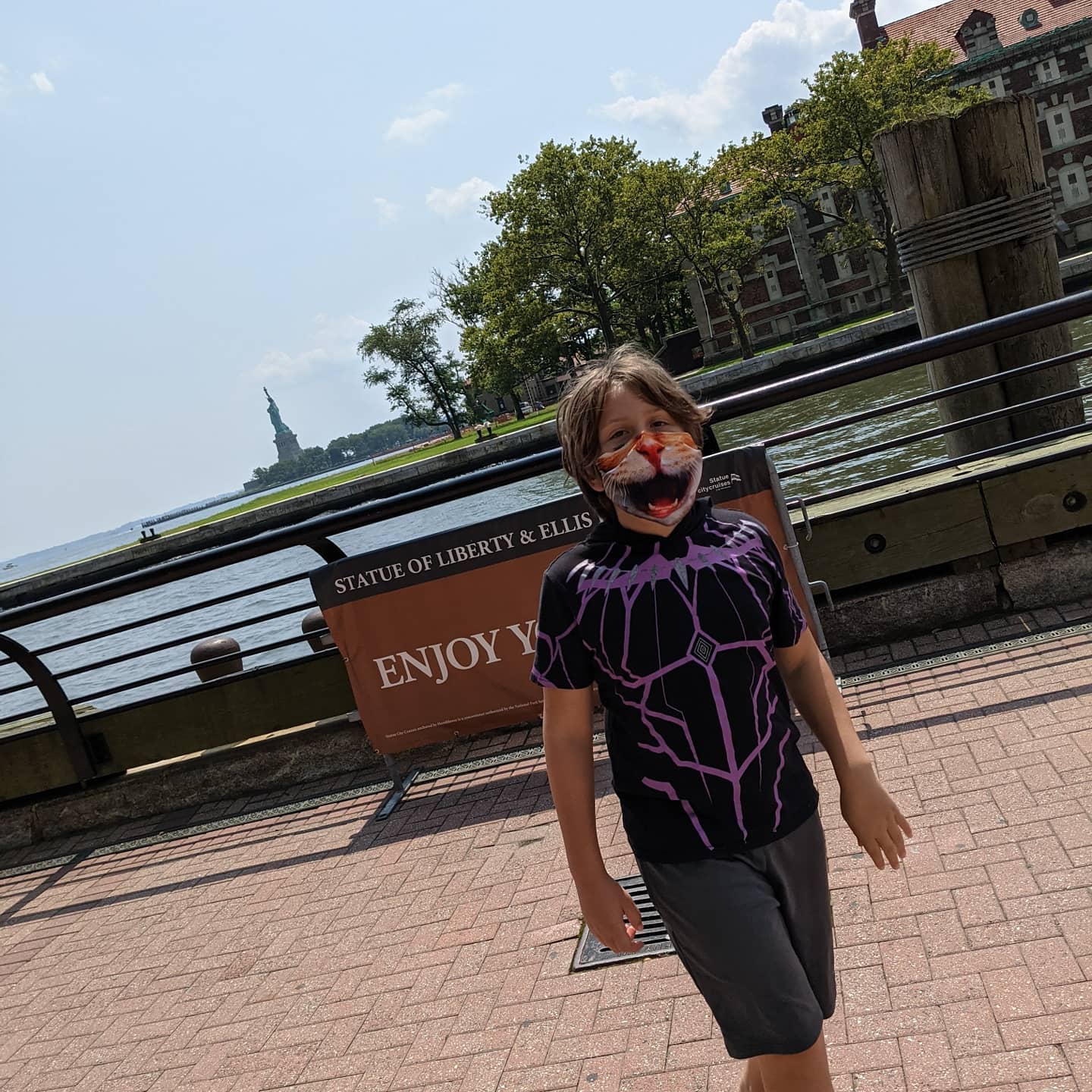
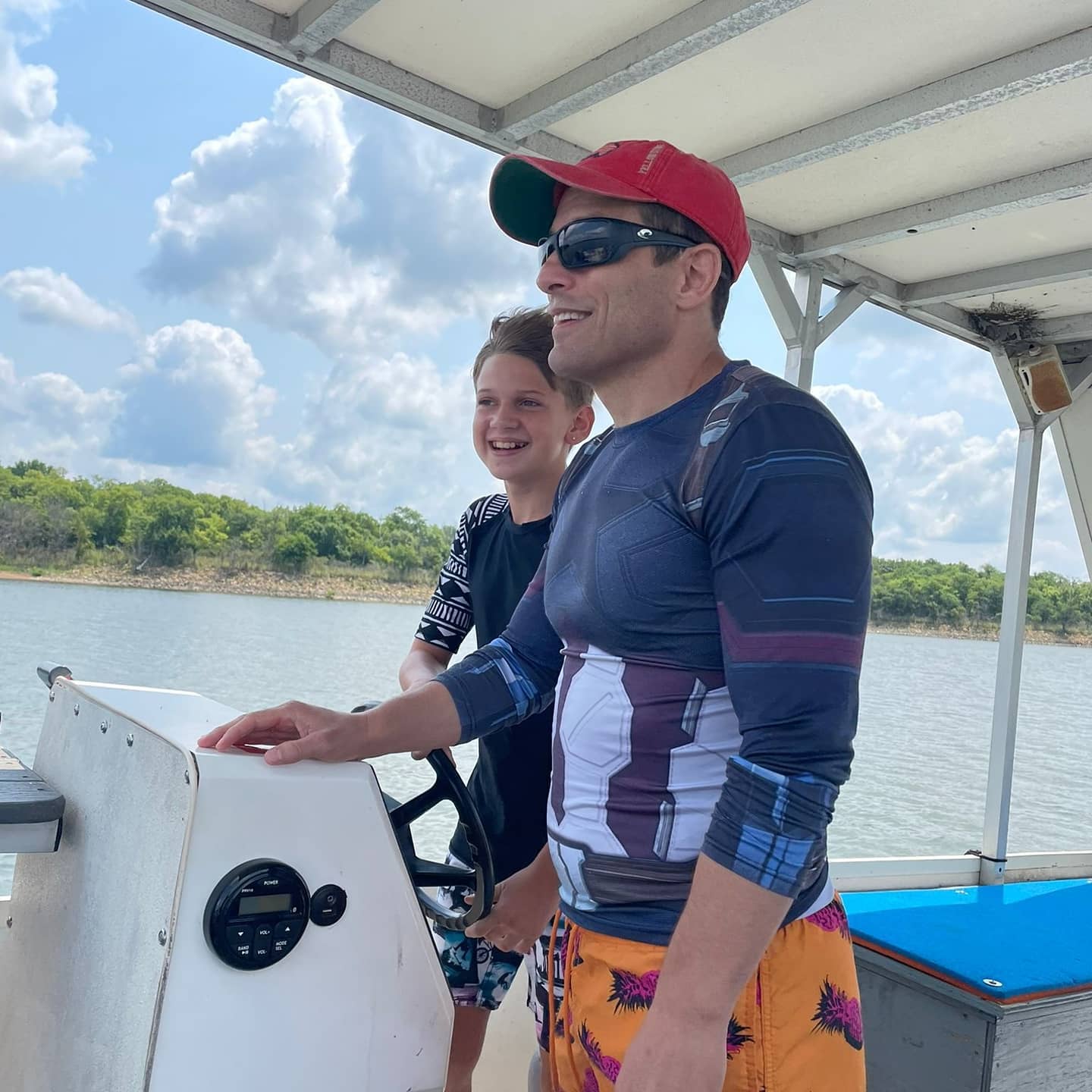
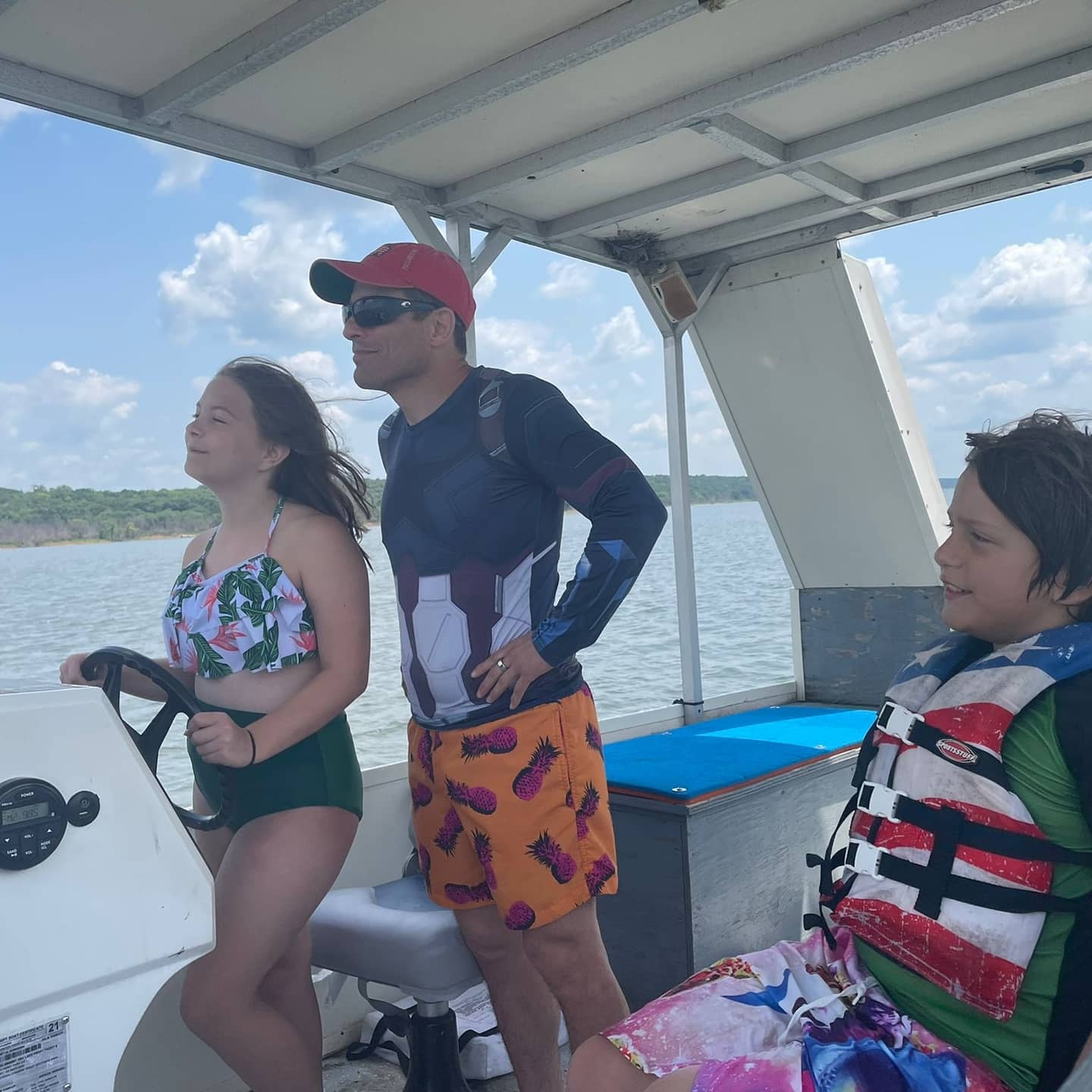
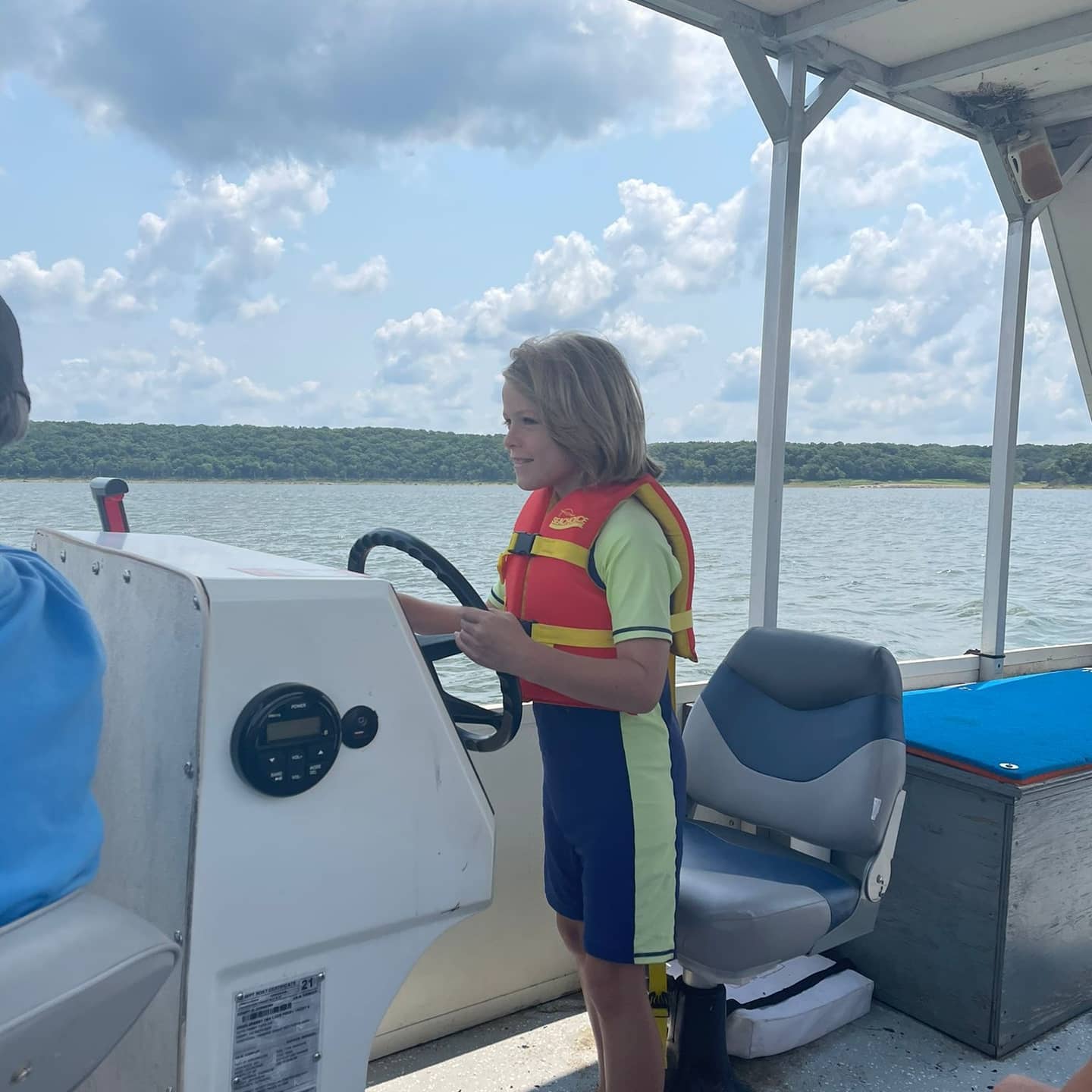
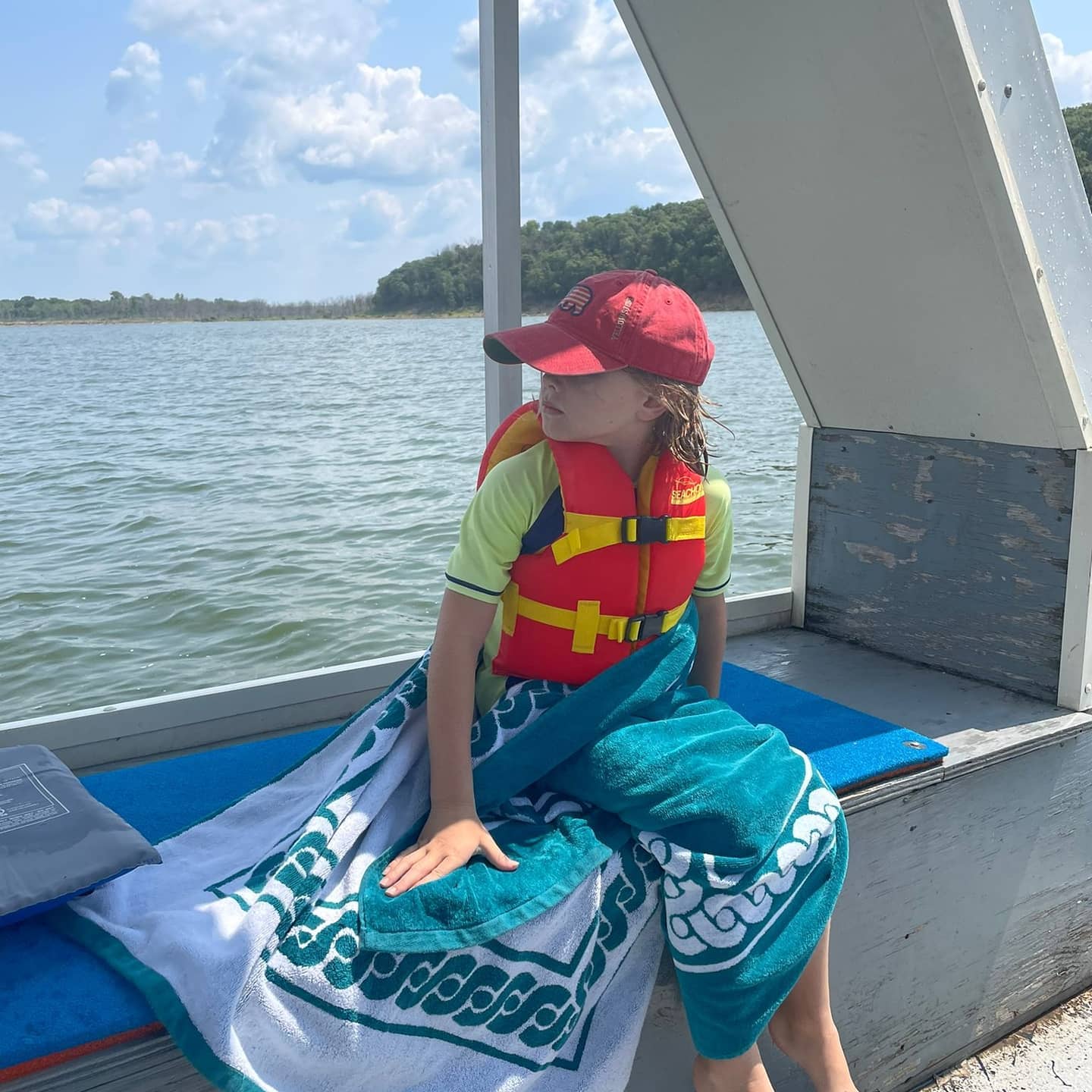
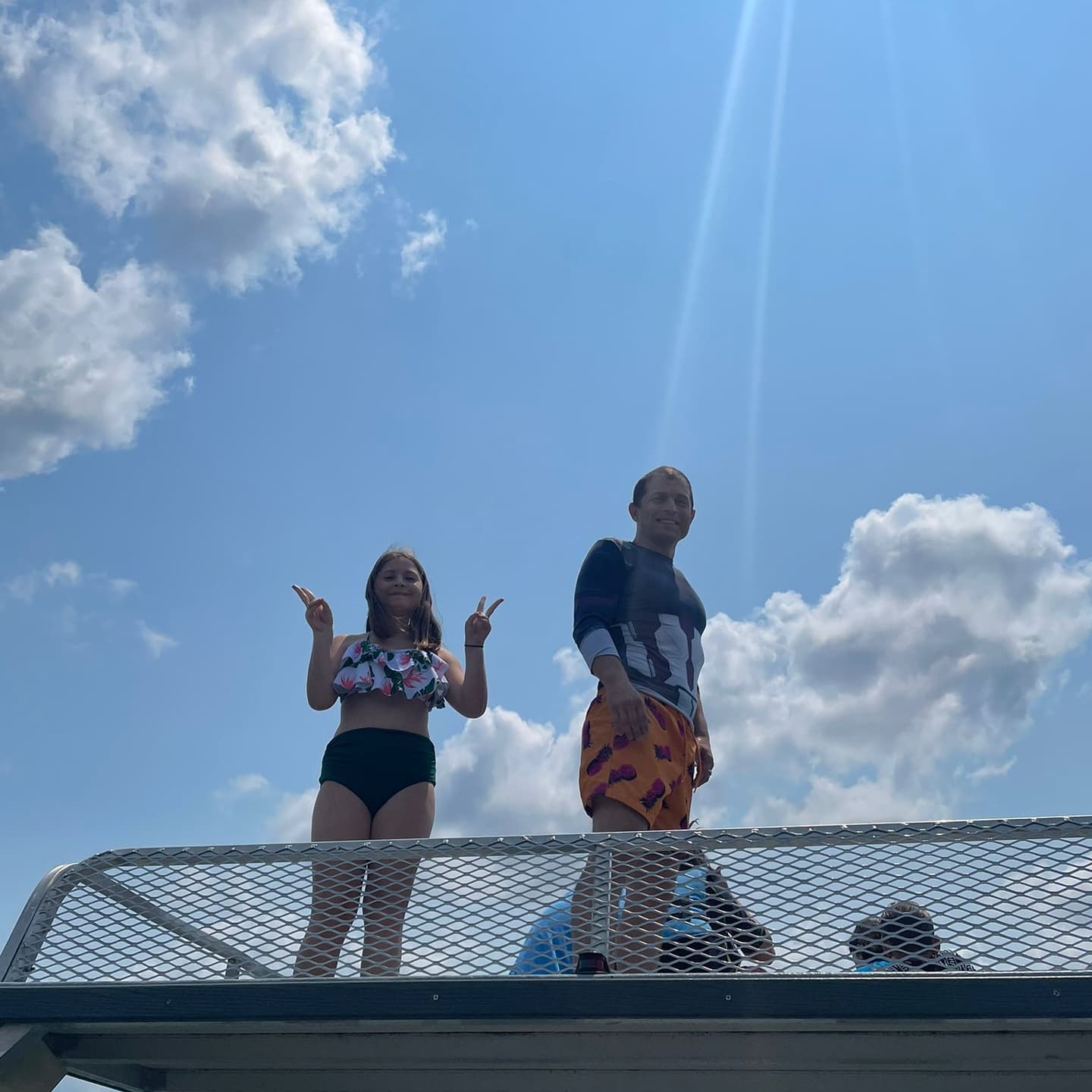
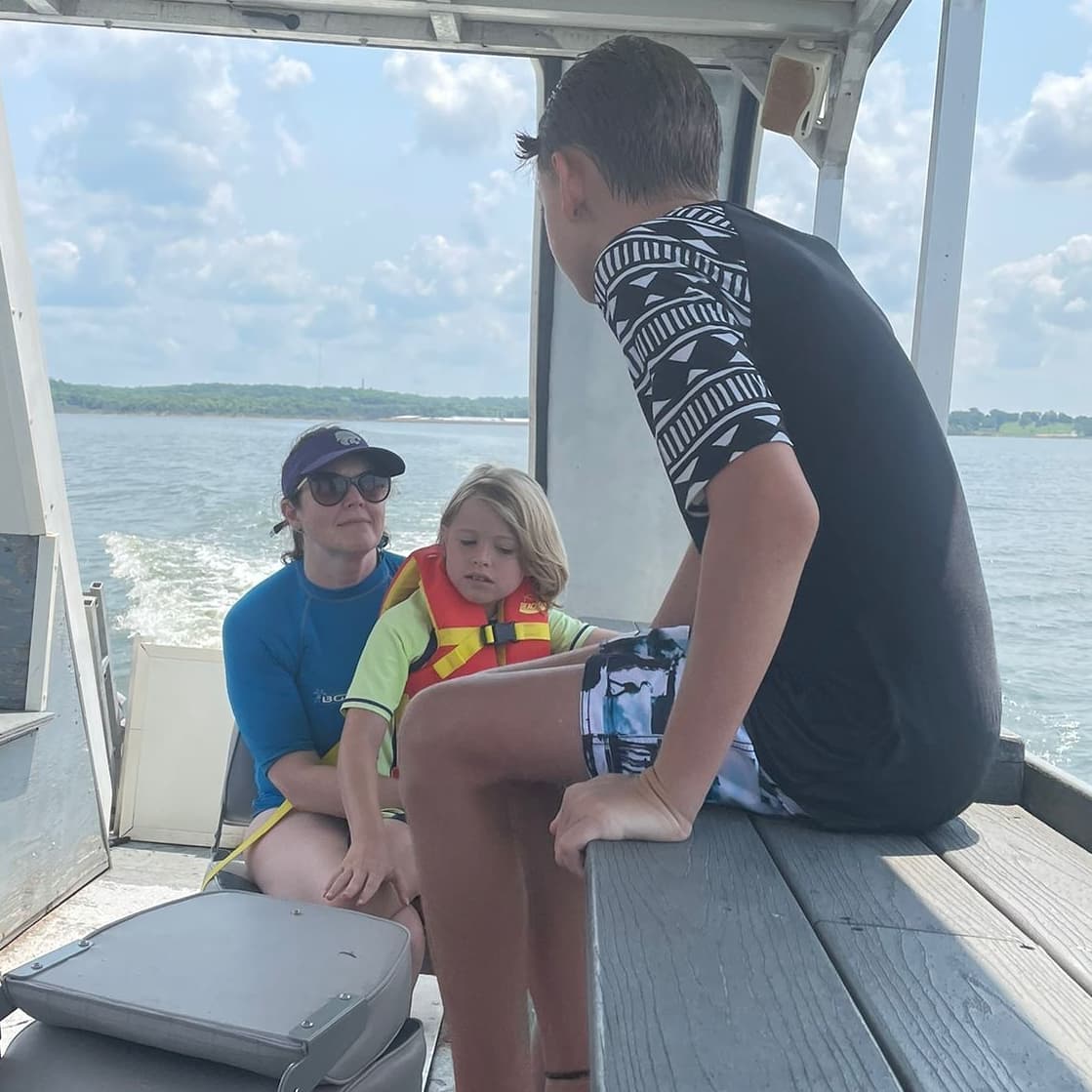
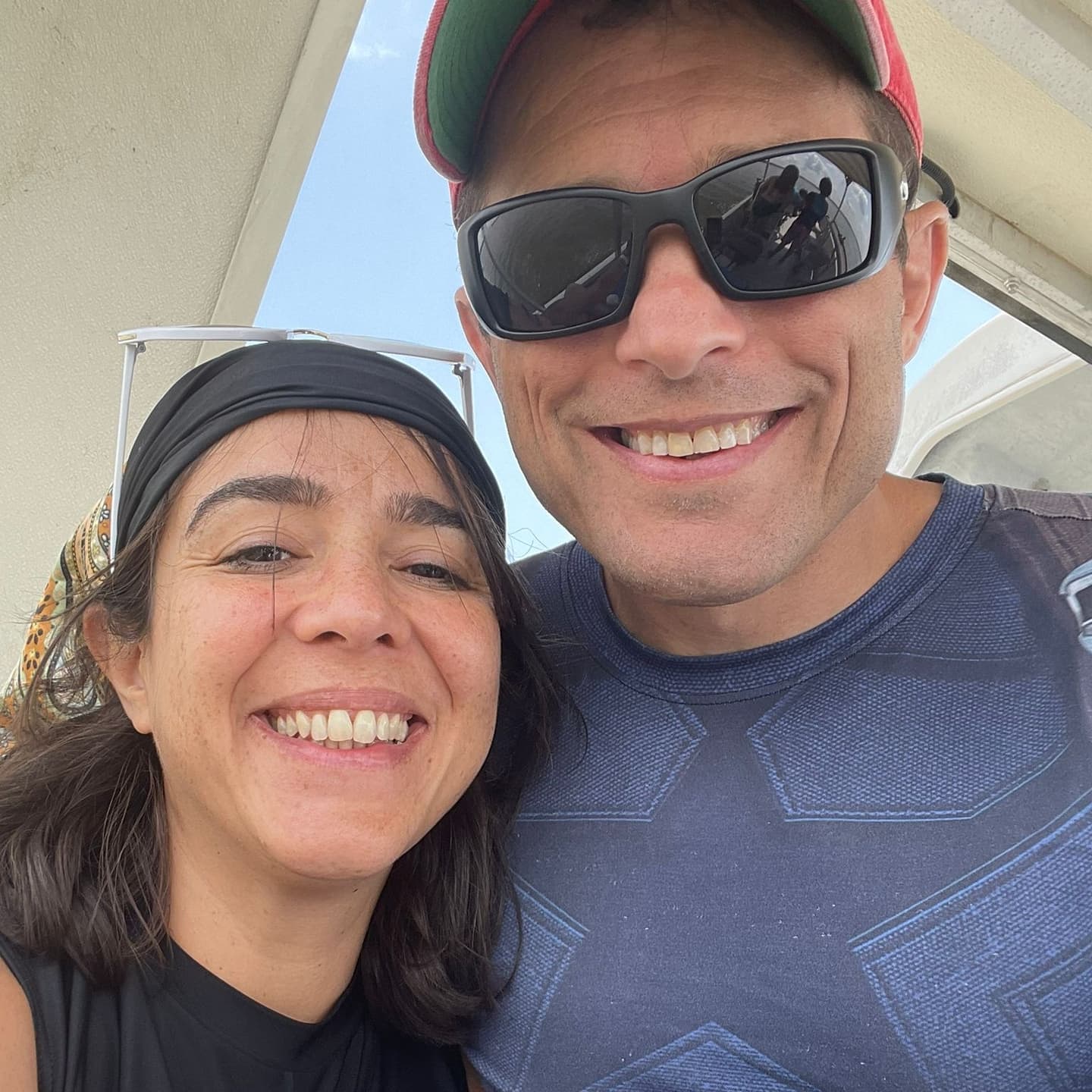
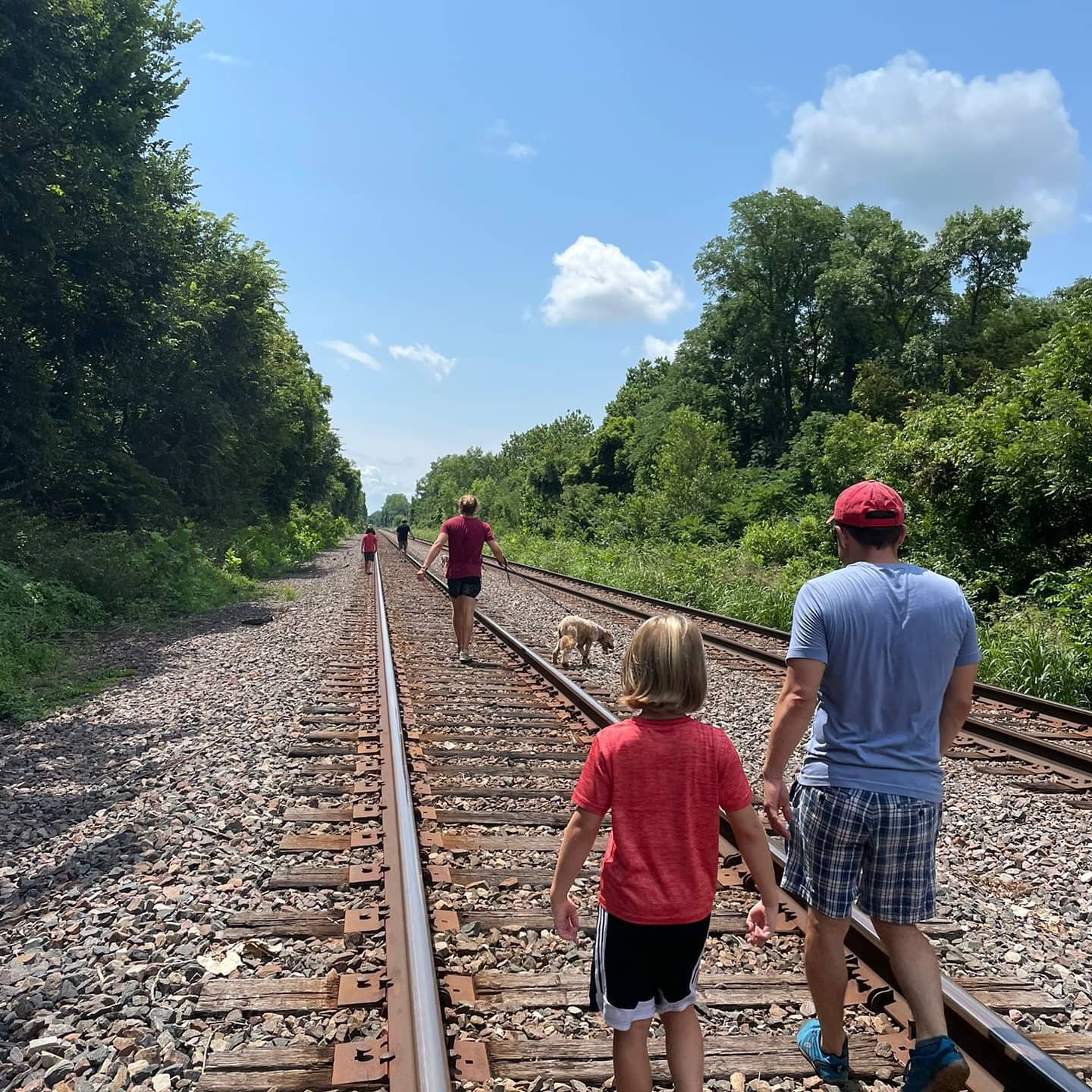
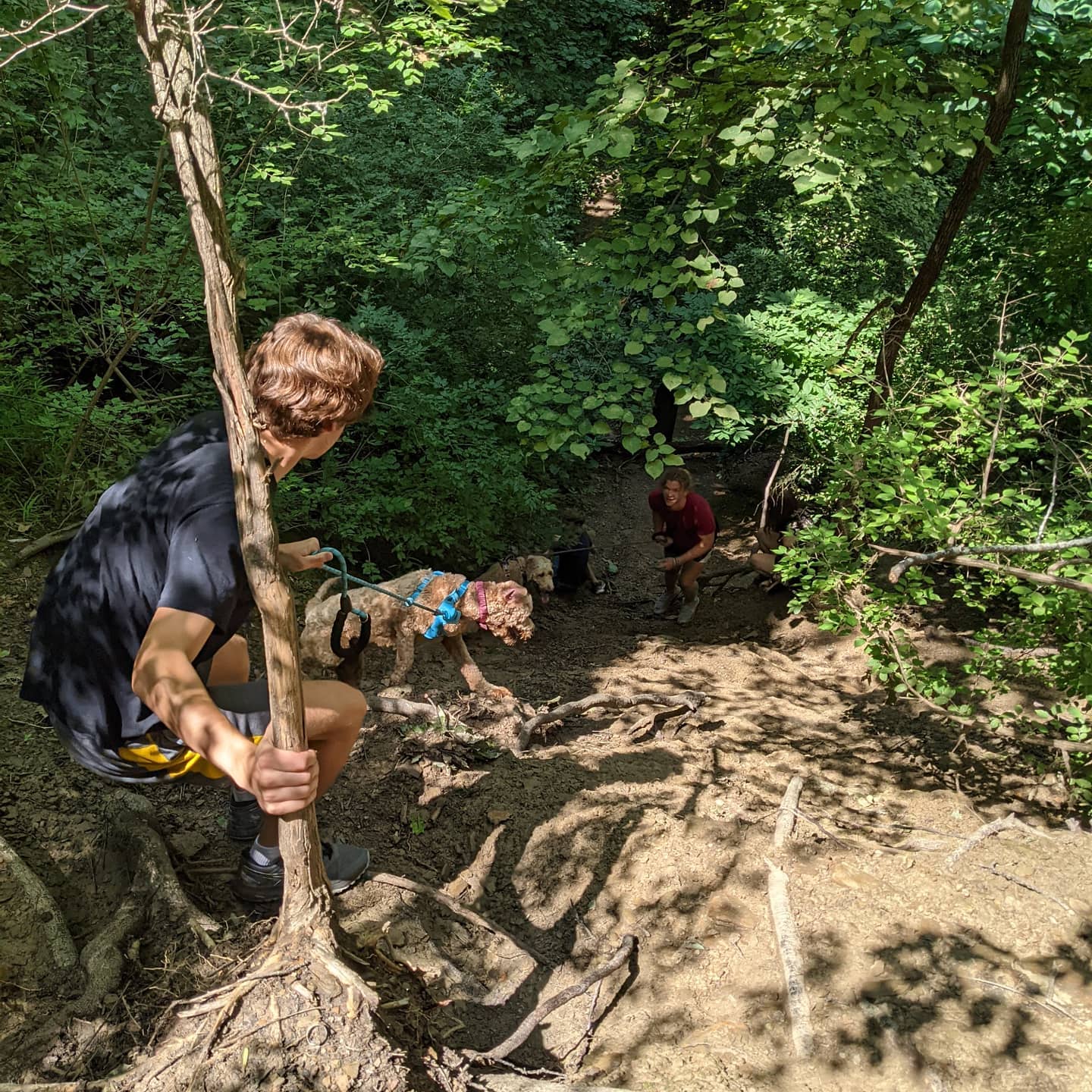
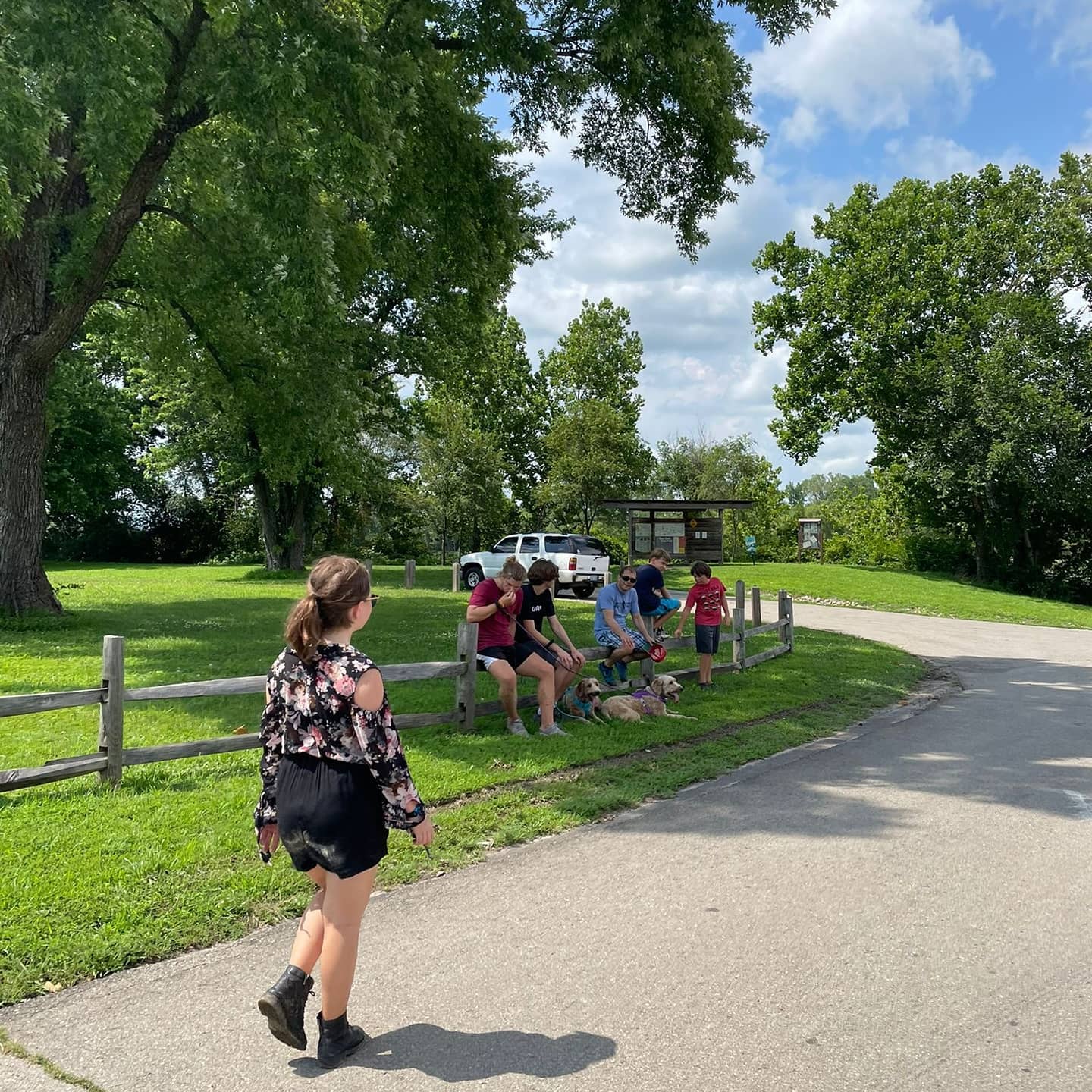
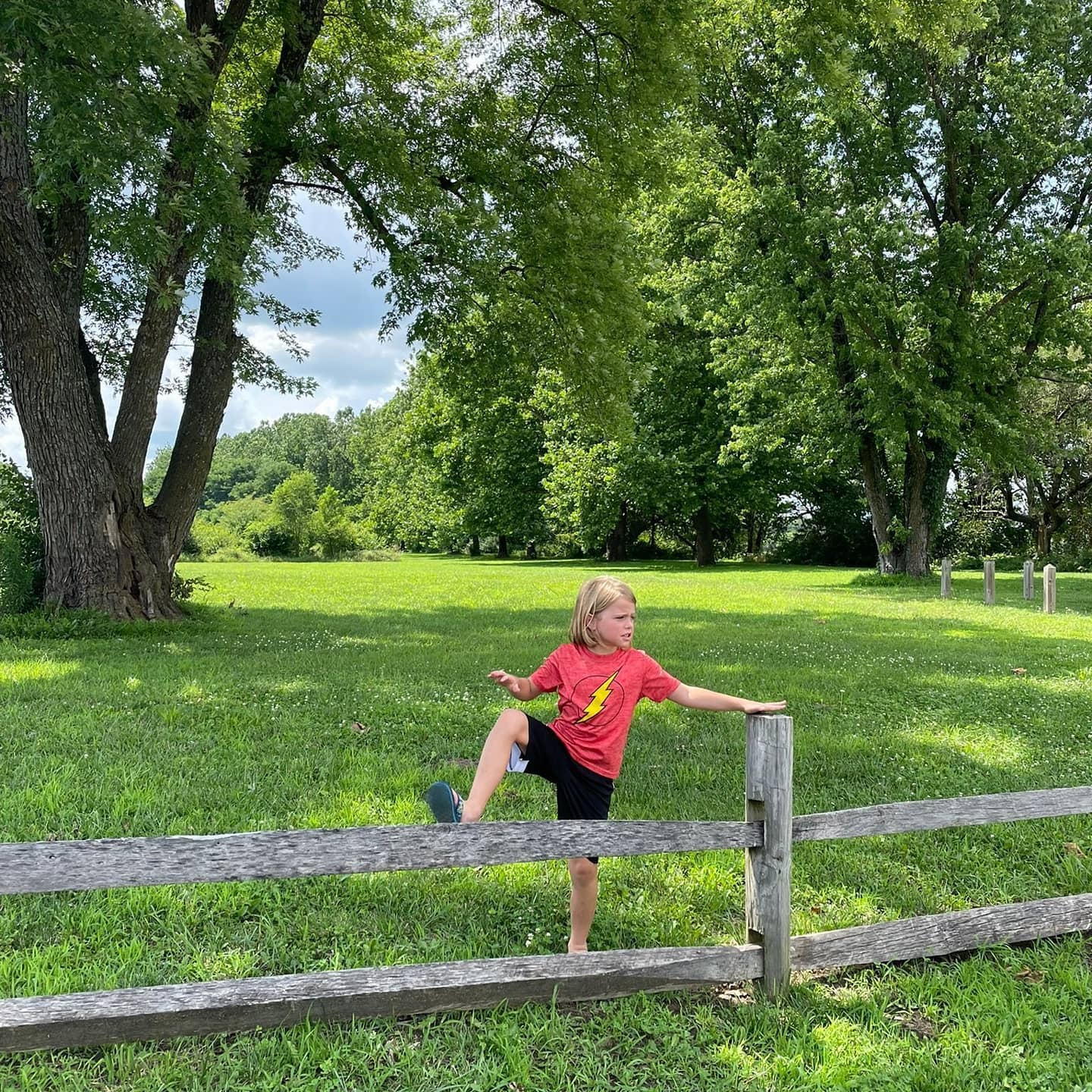
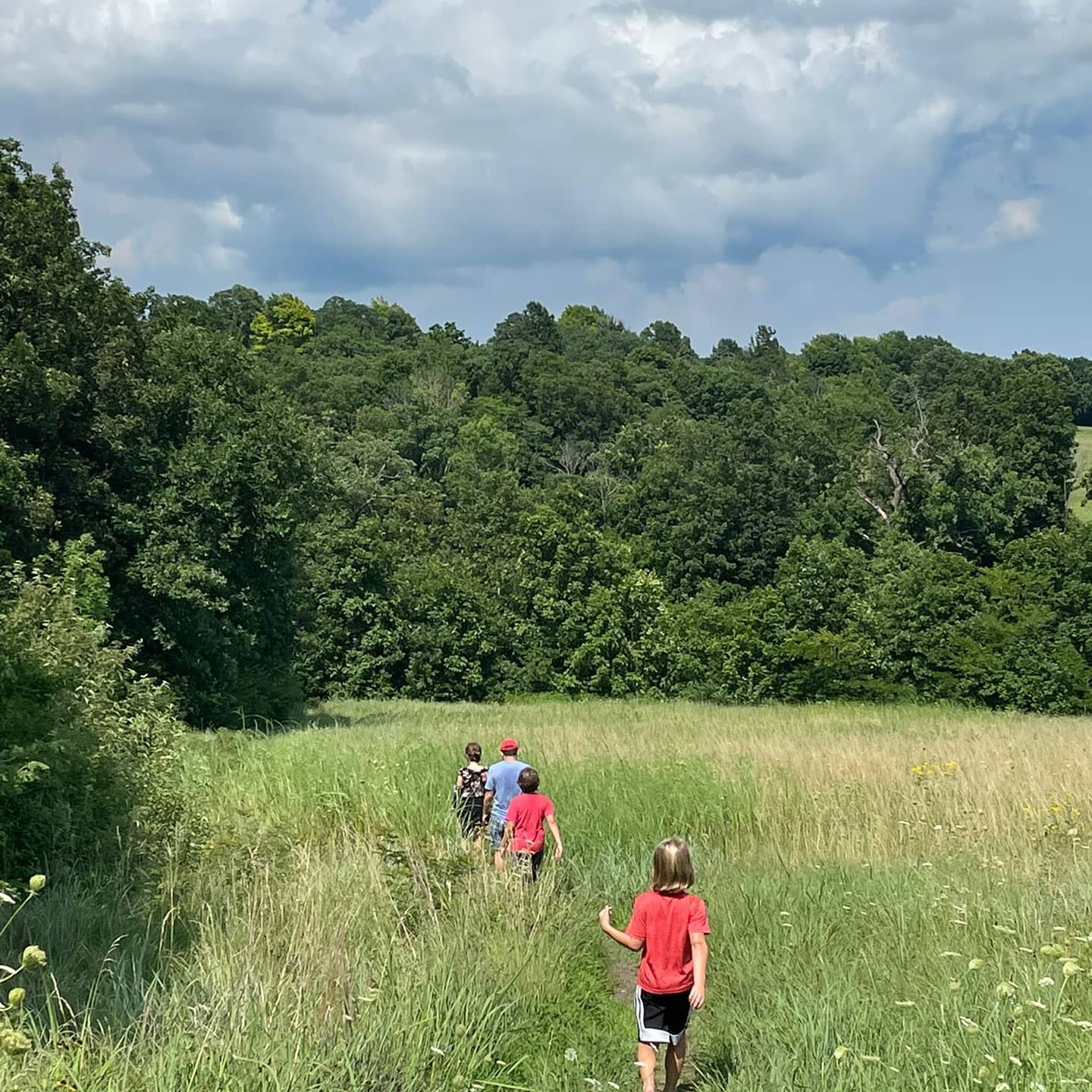
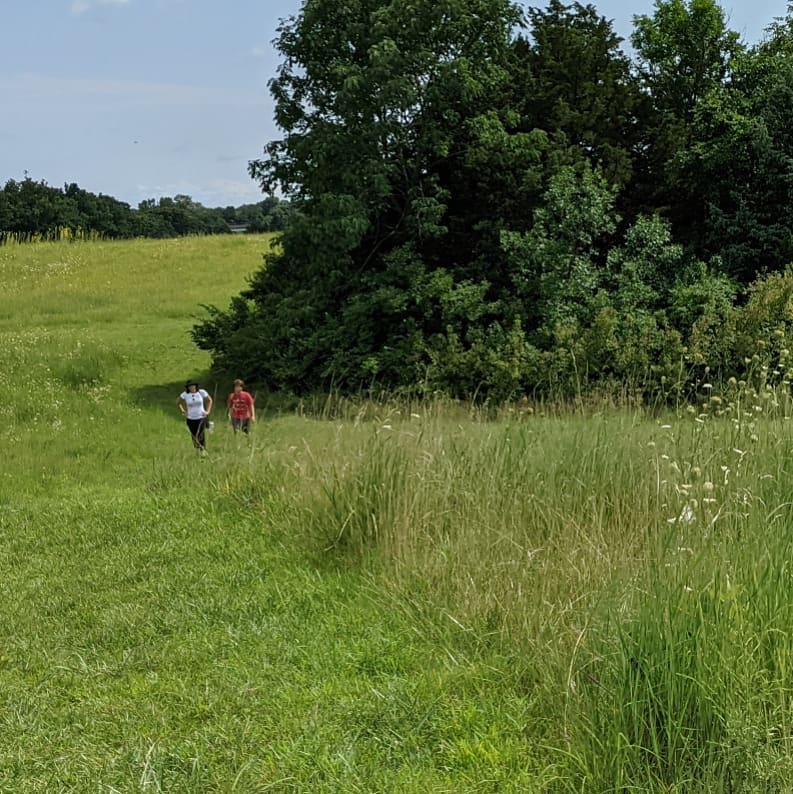
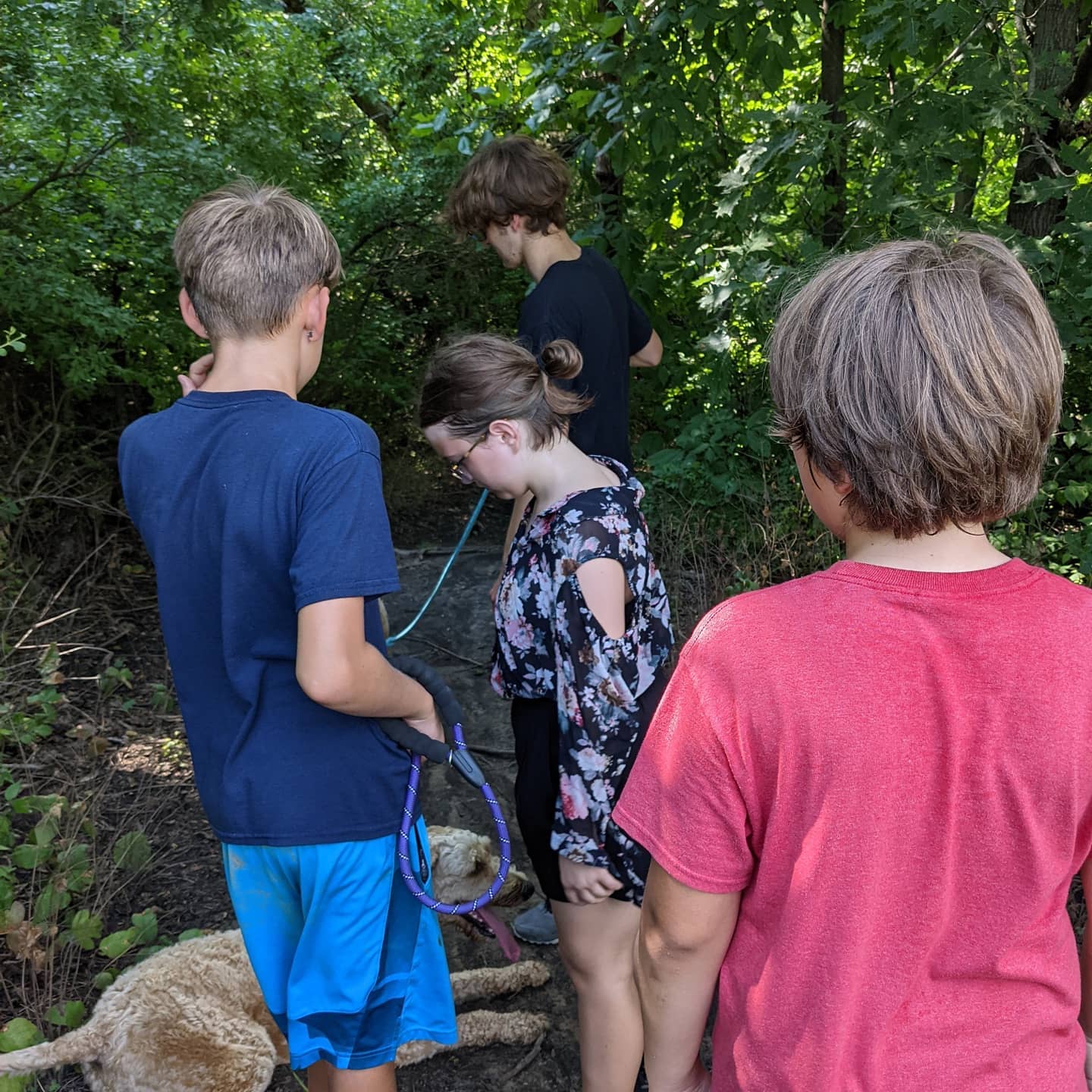
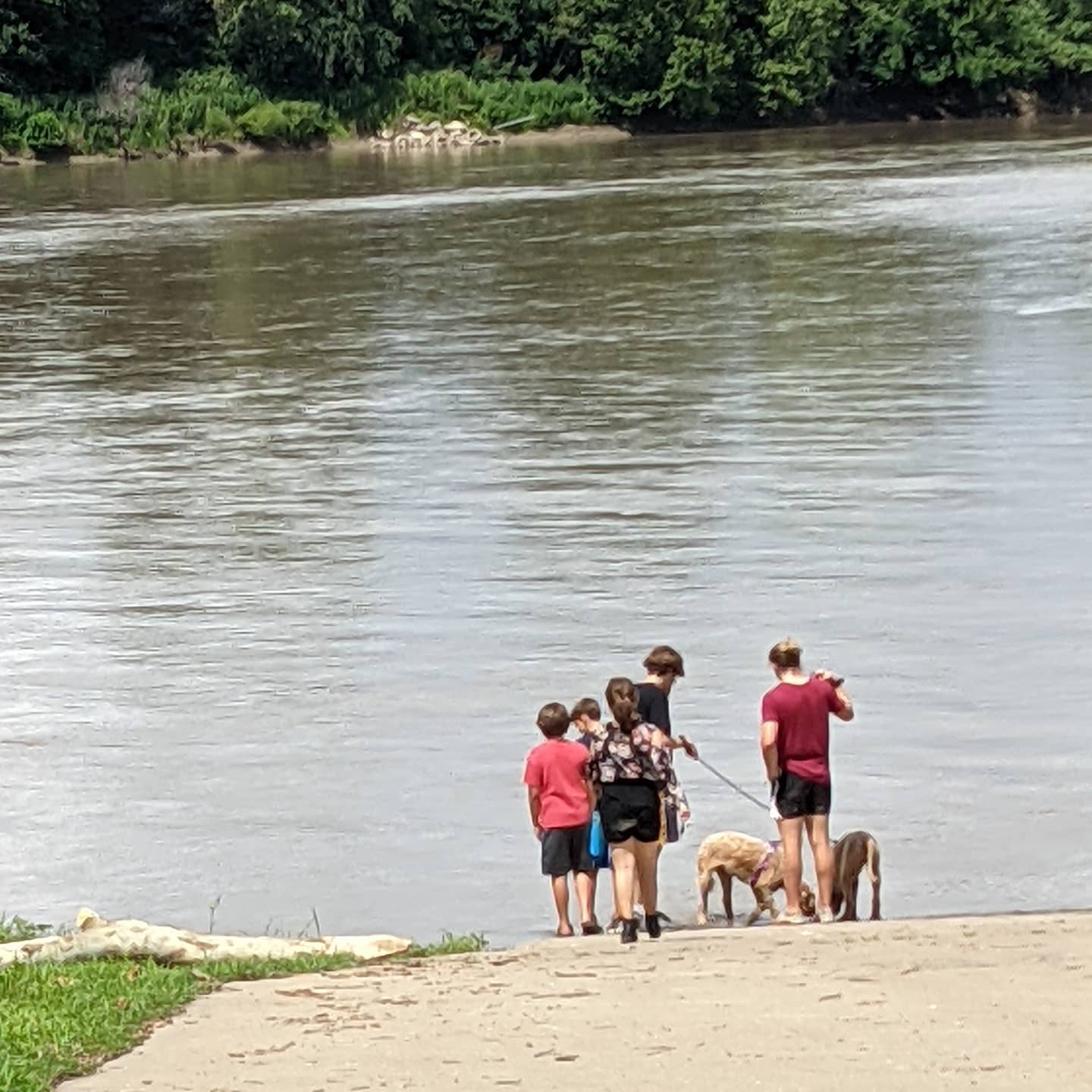
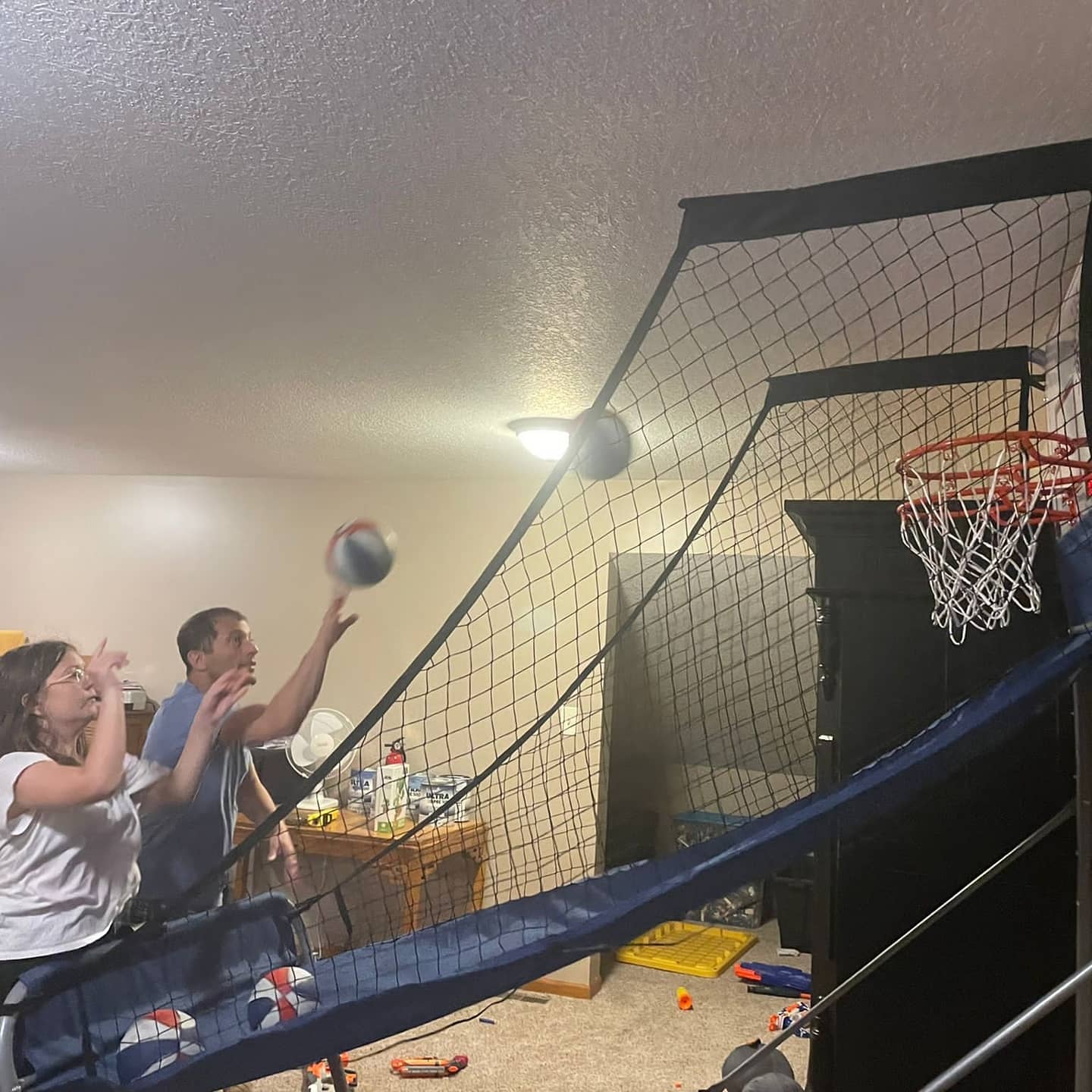
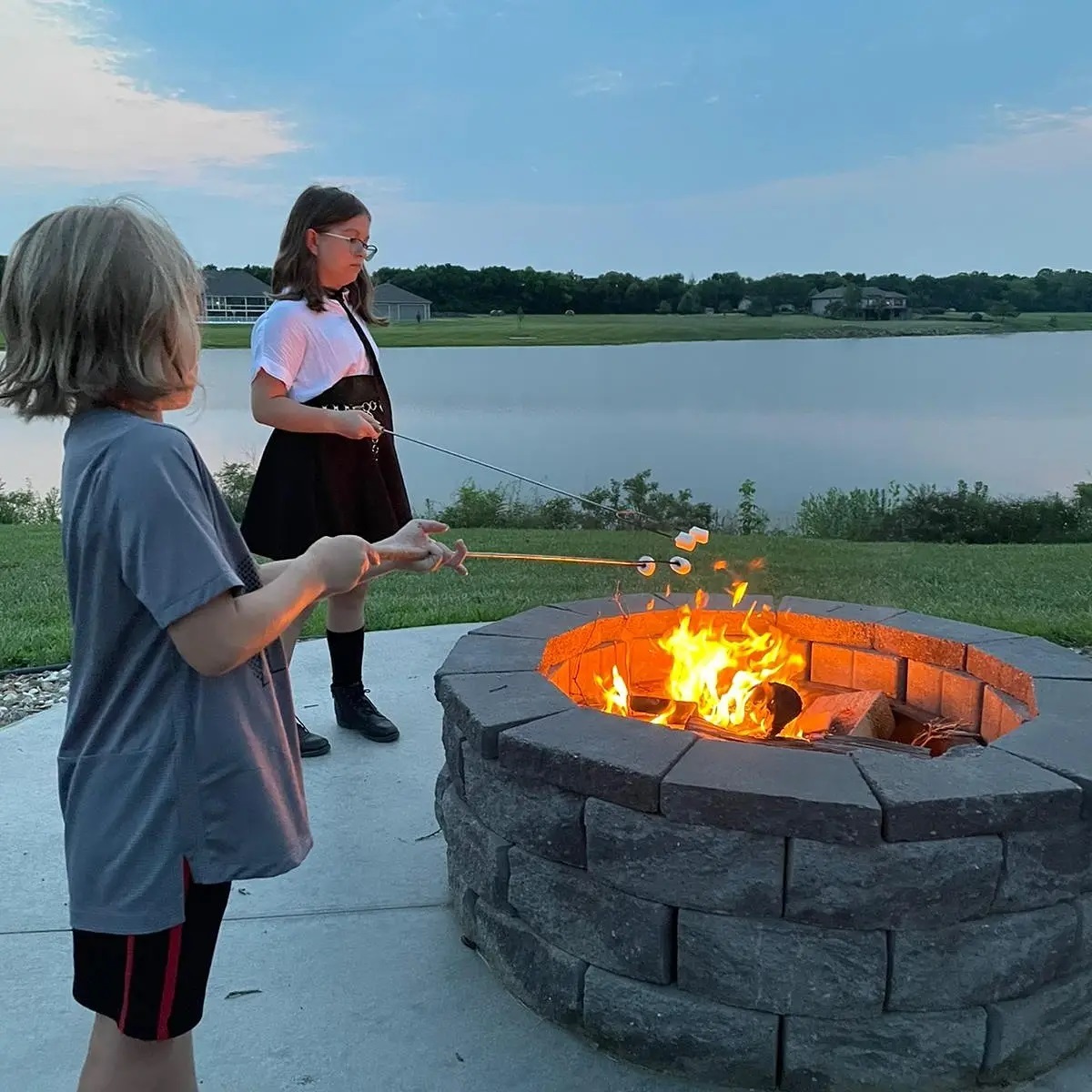
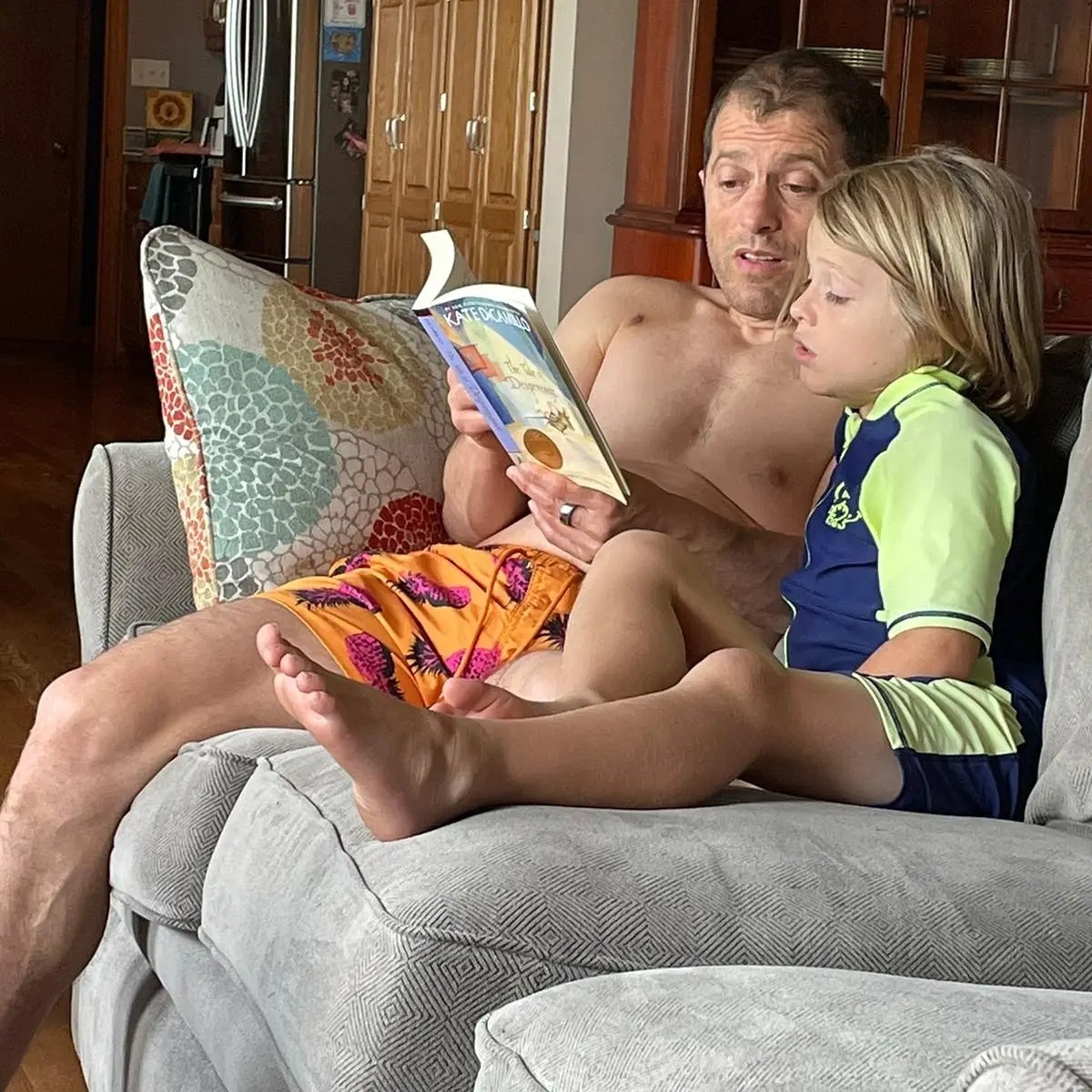
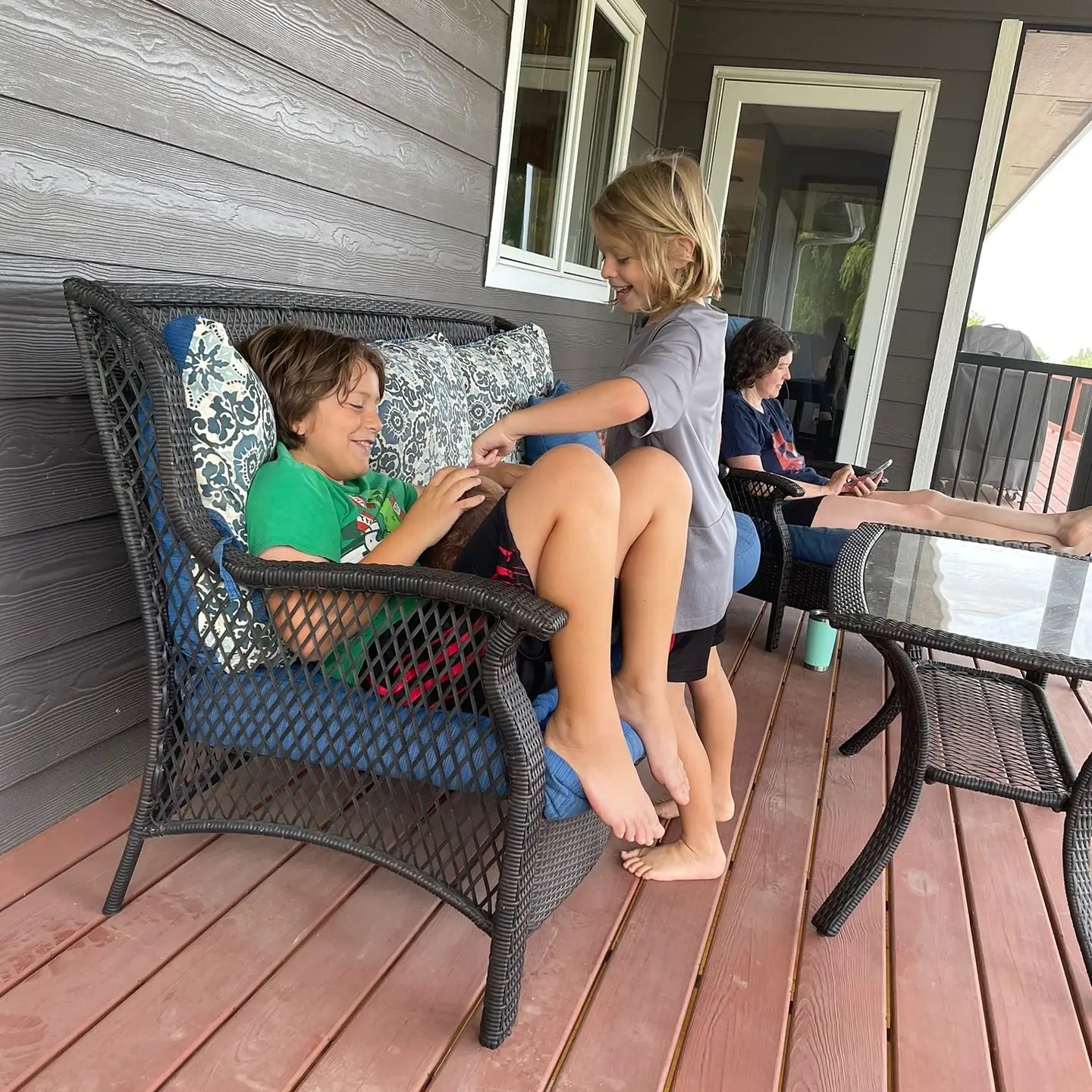
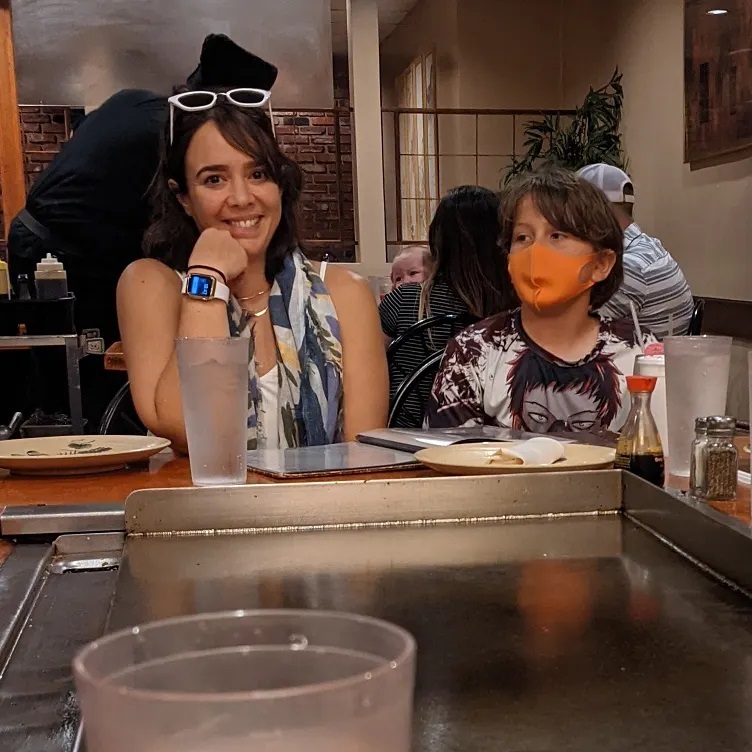
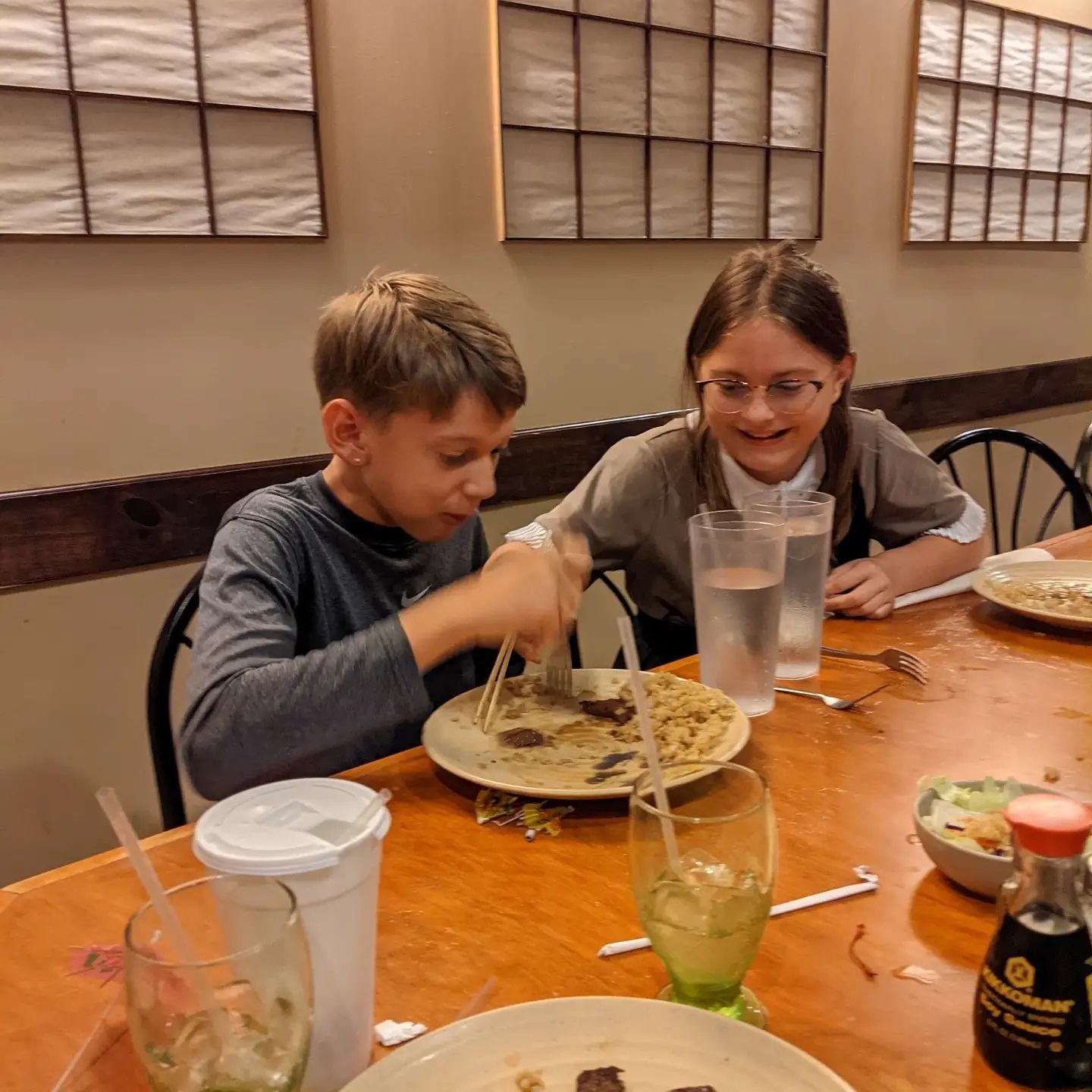
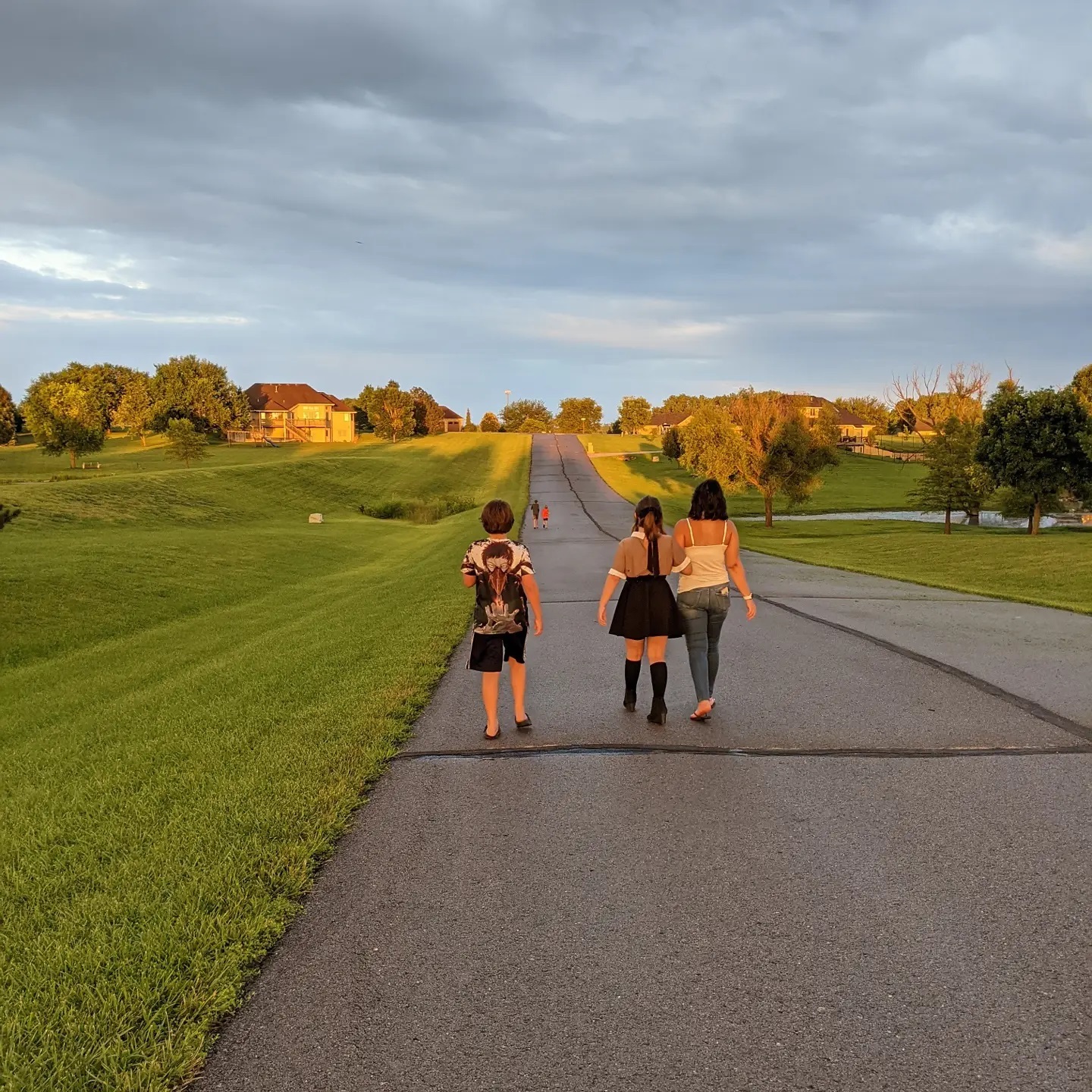
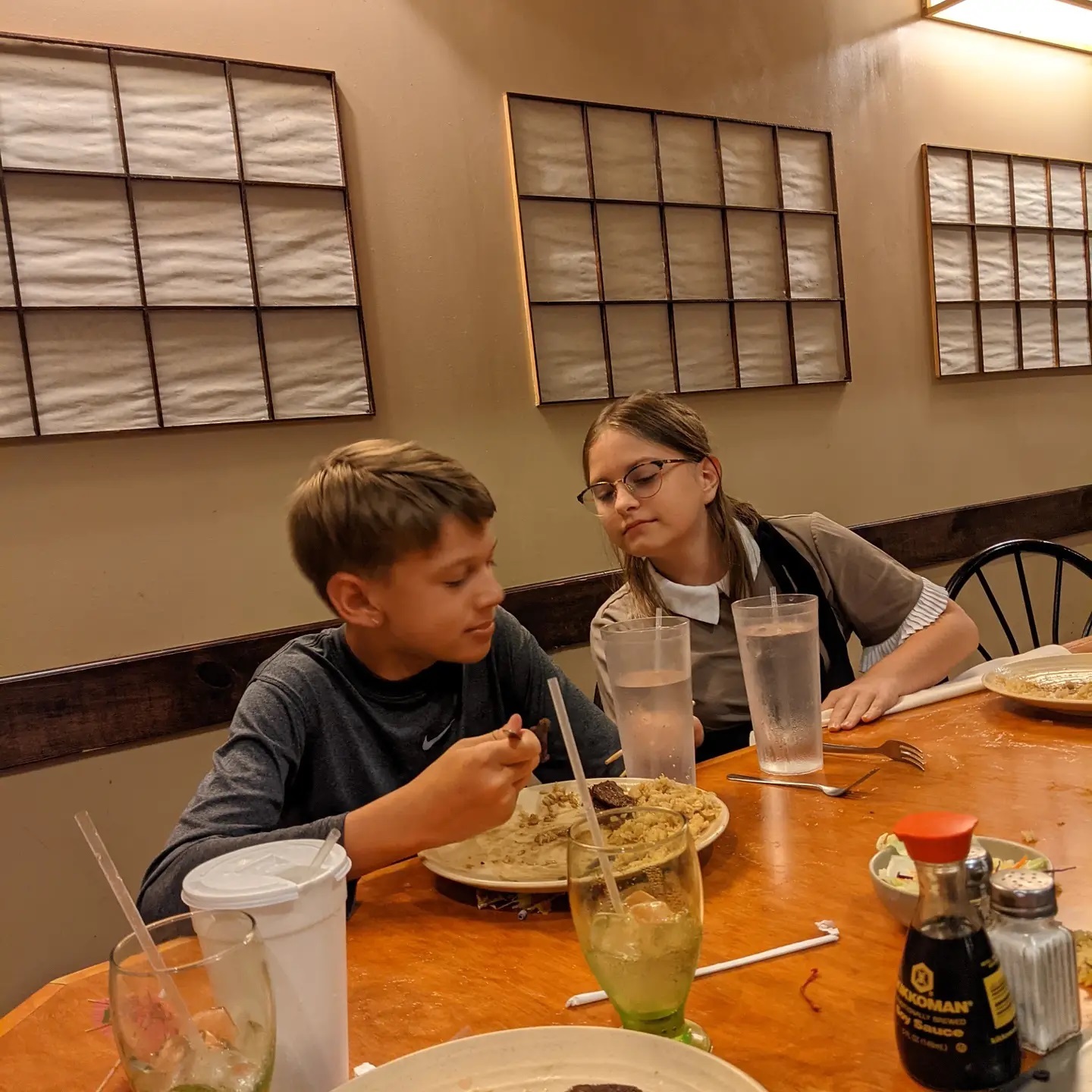
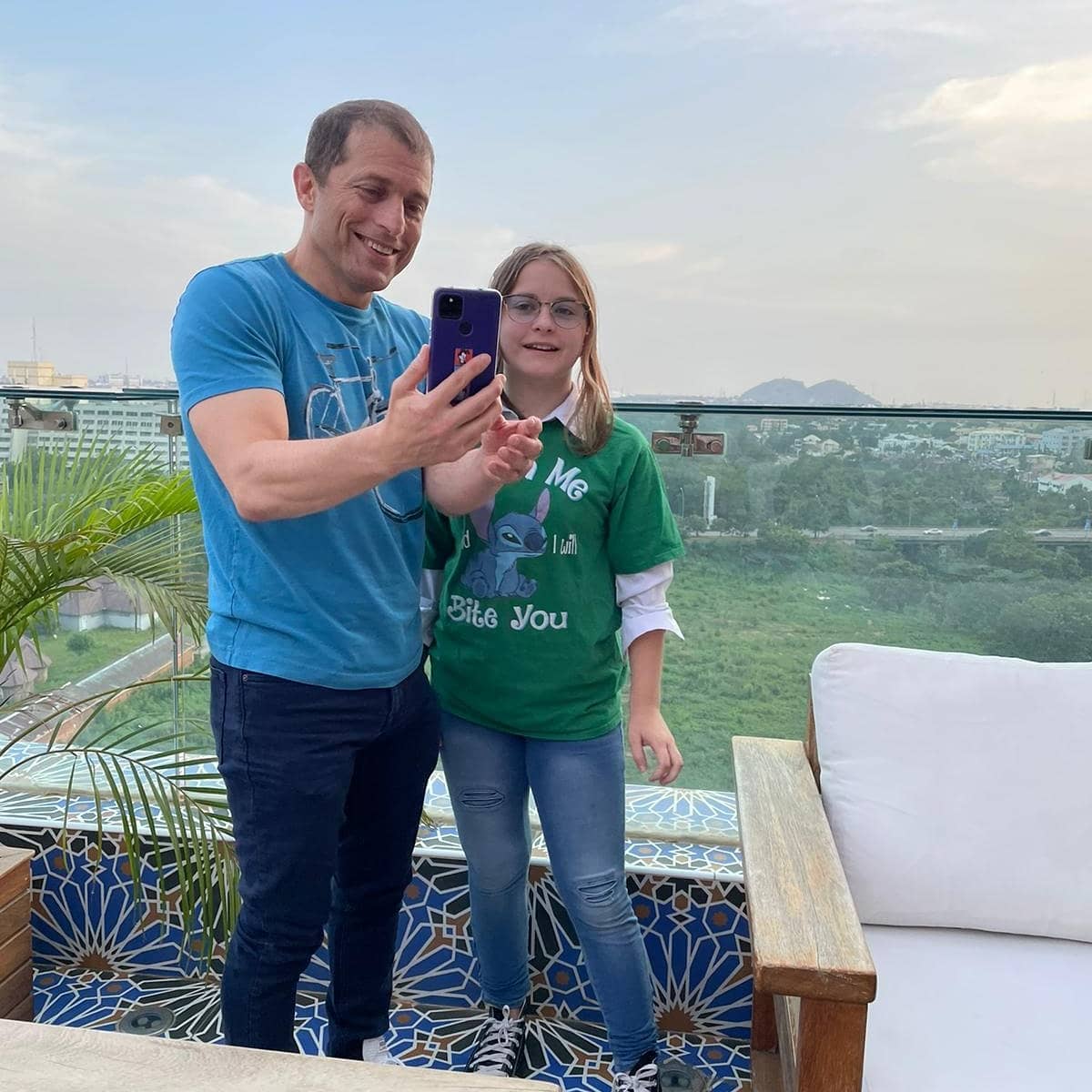
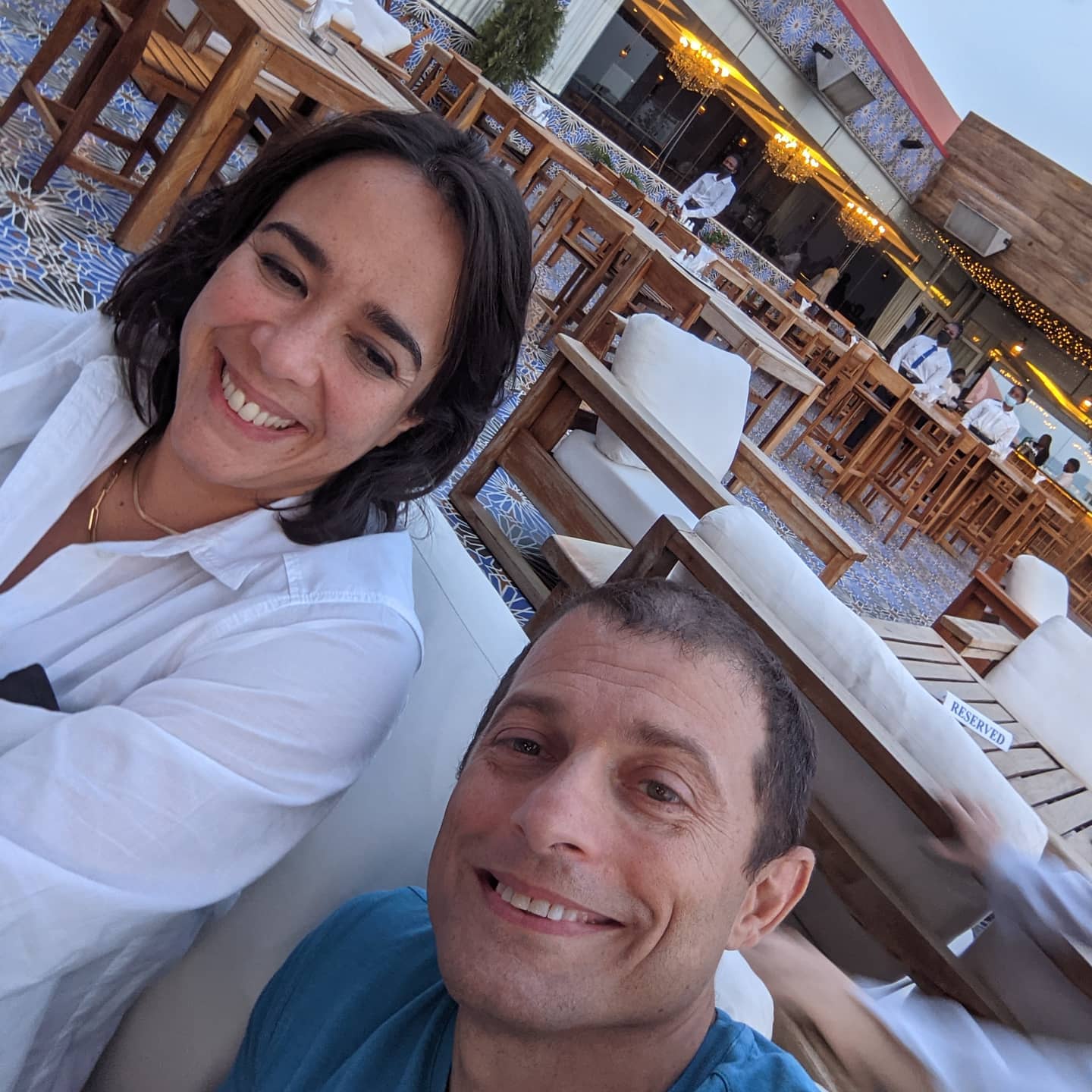
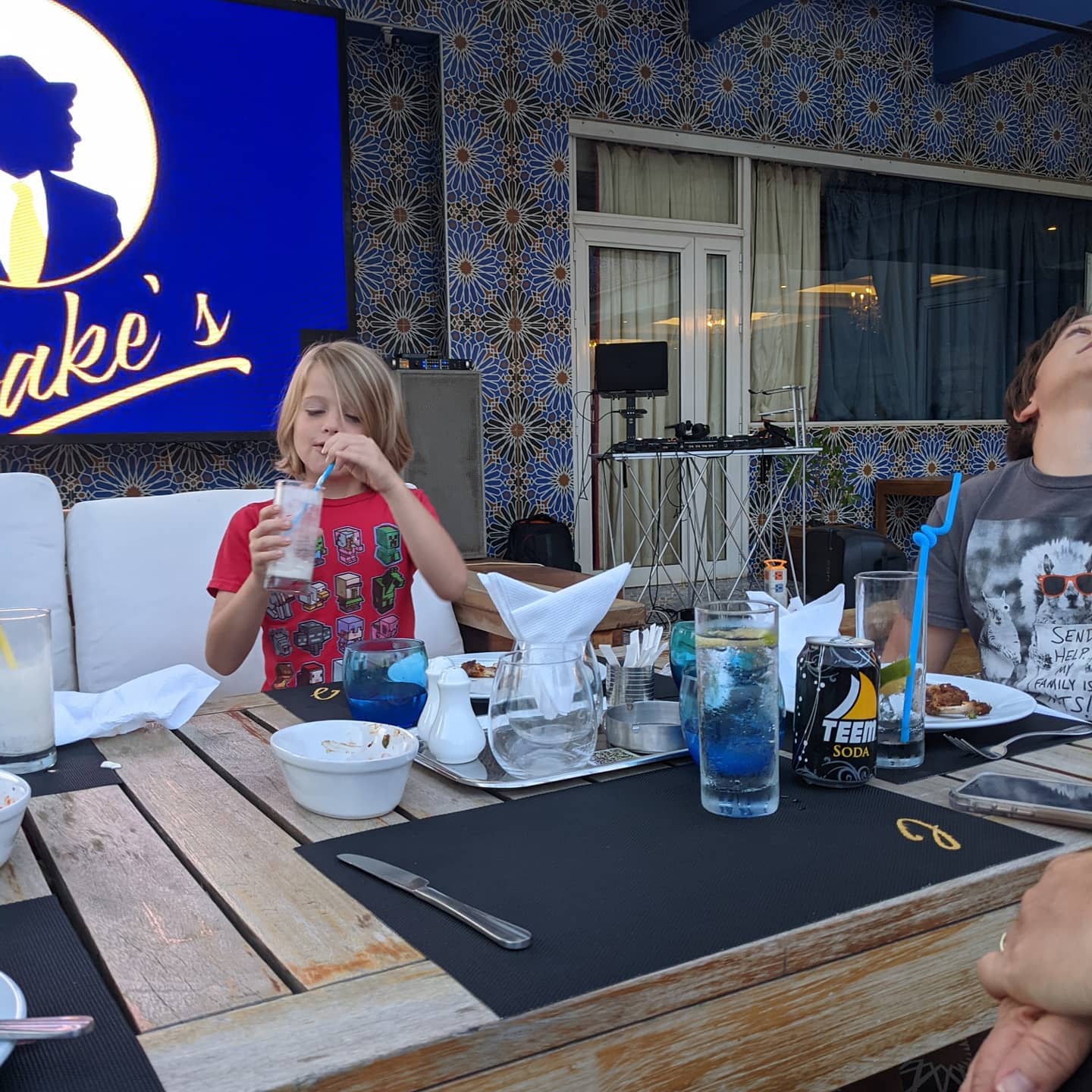
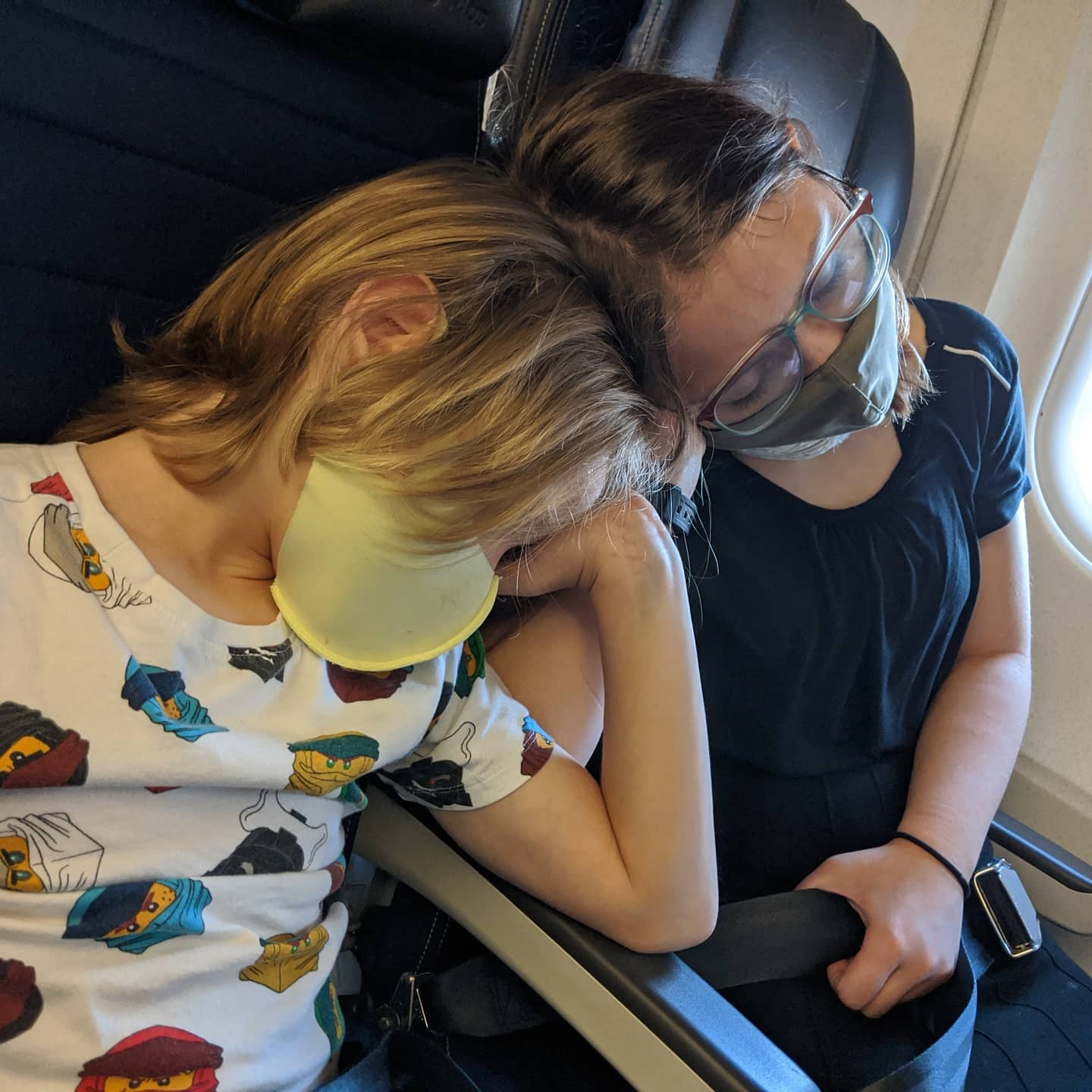
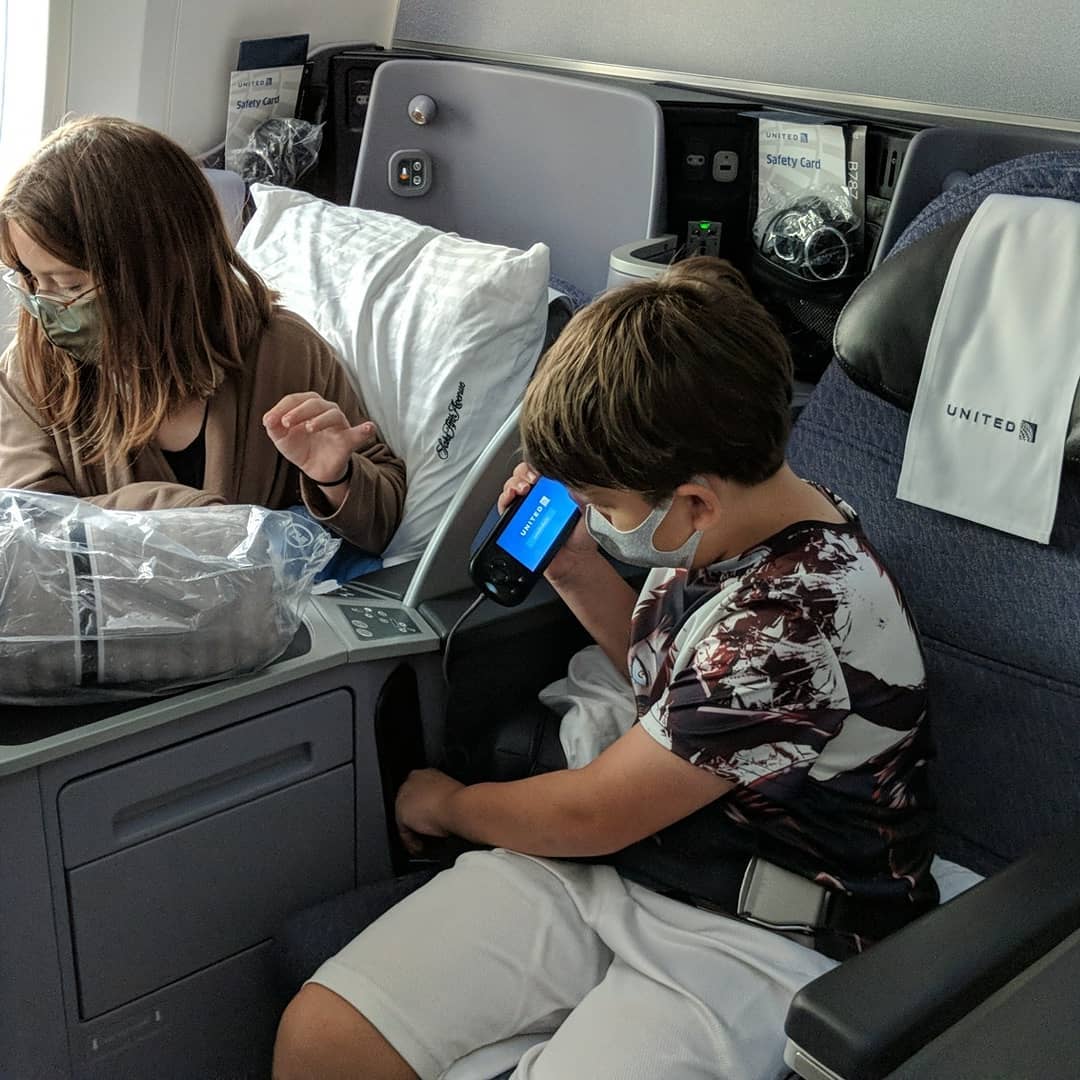
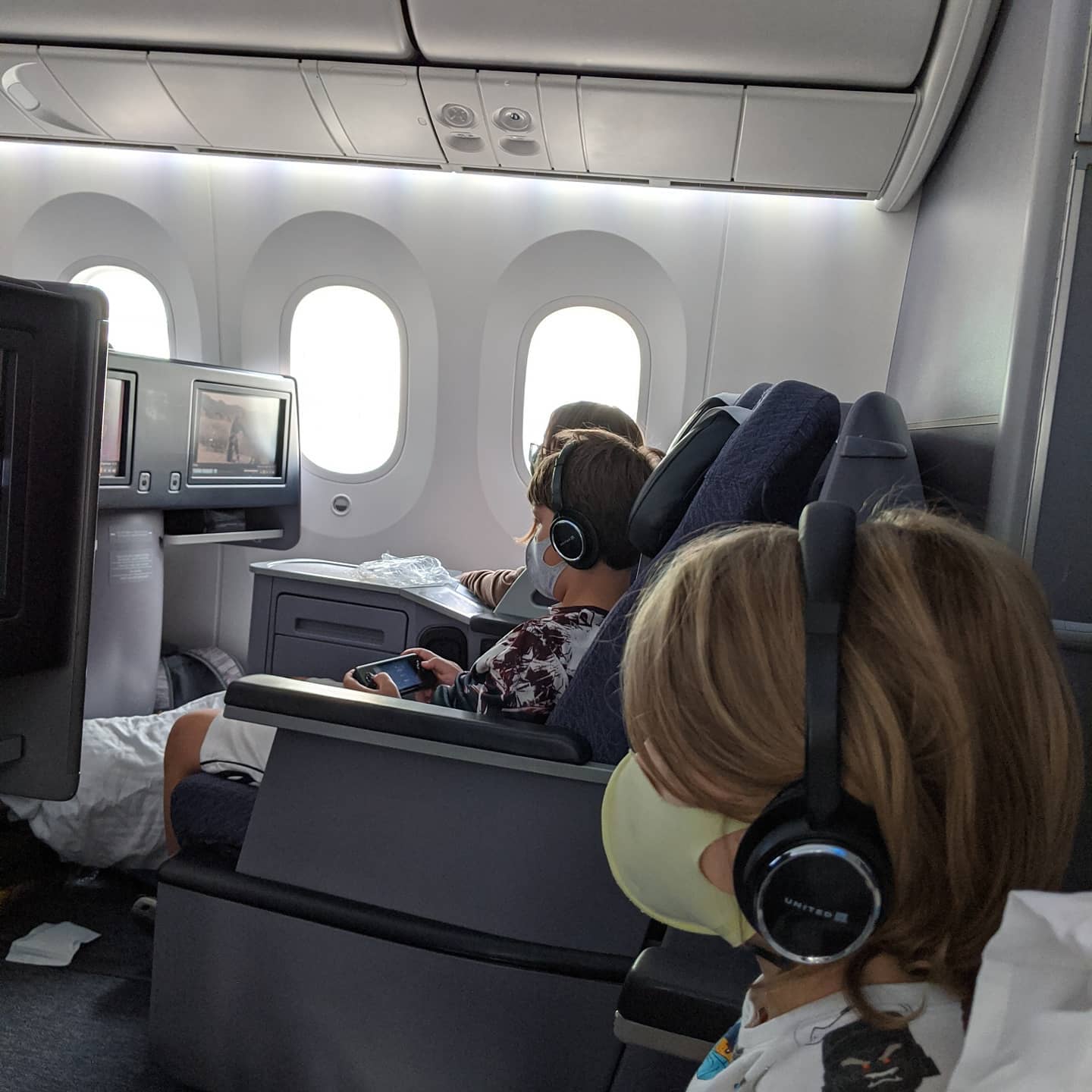
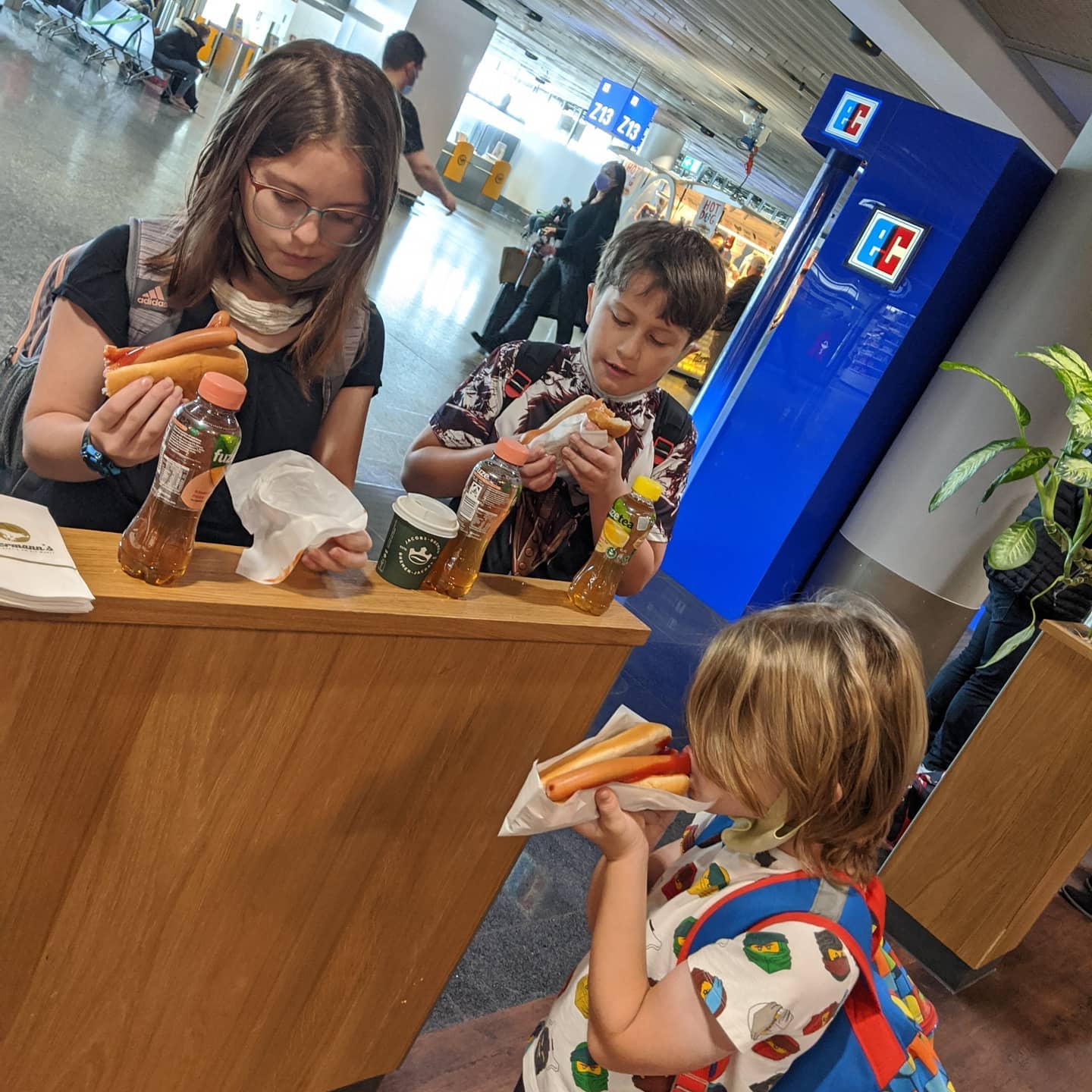
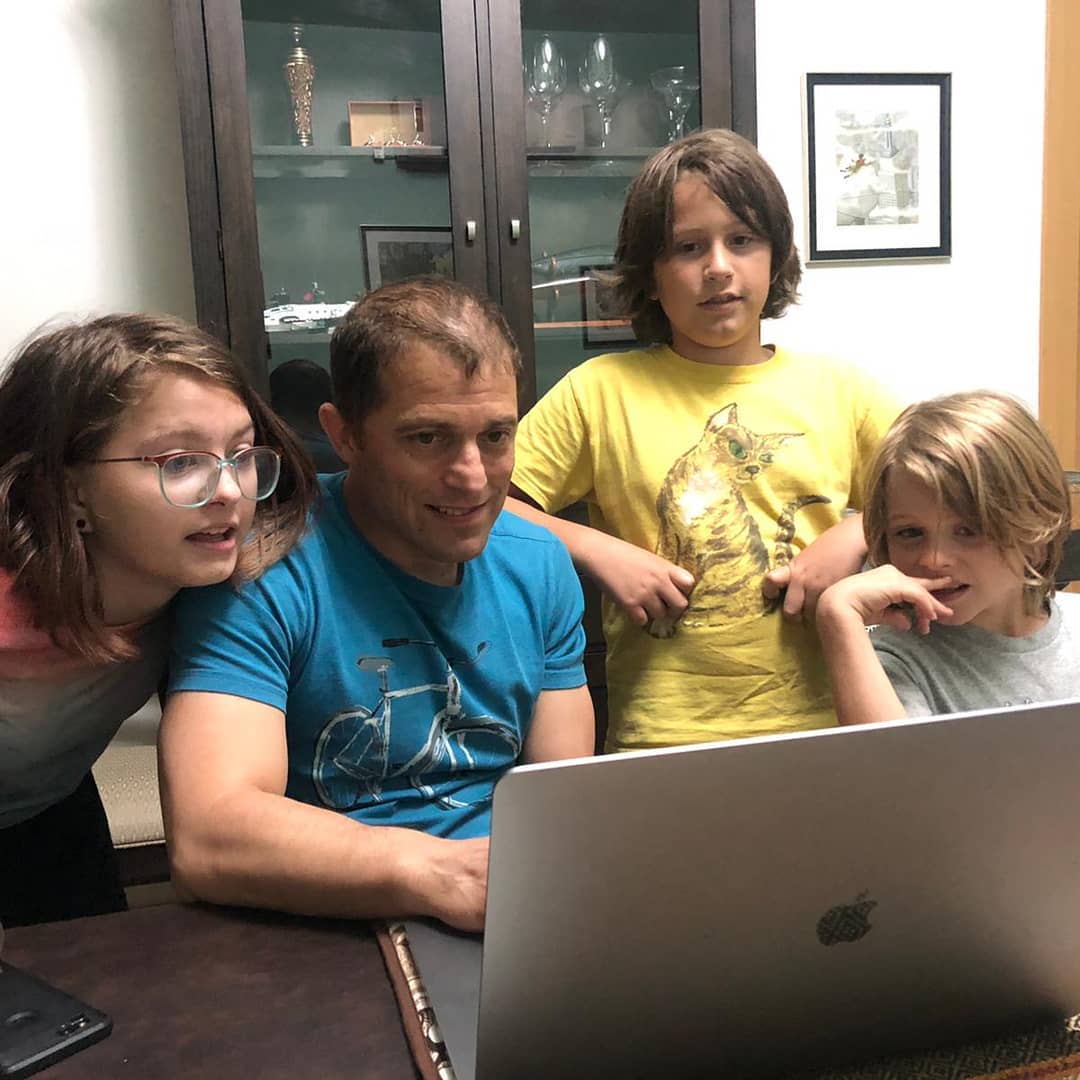
Some trunk or treat photos. People really did up their cars but no pics--generally I didn't take enough. Truman is a roll of toilet paper to go with Saul. That's also Truman's pumpkin at the end. Amelie was initially a time traveling elf but she lost her ears so I am not sure how she titled her costume at the end.
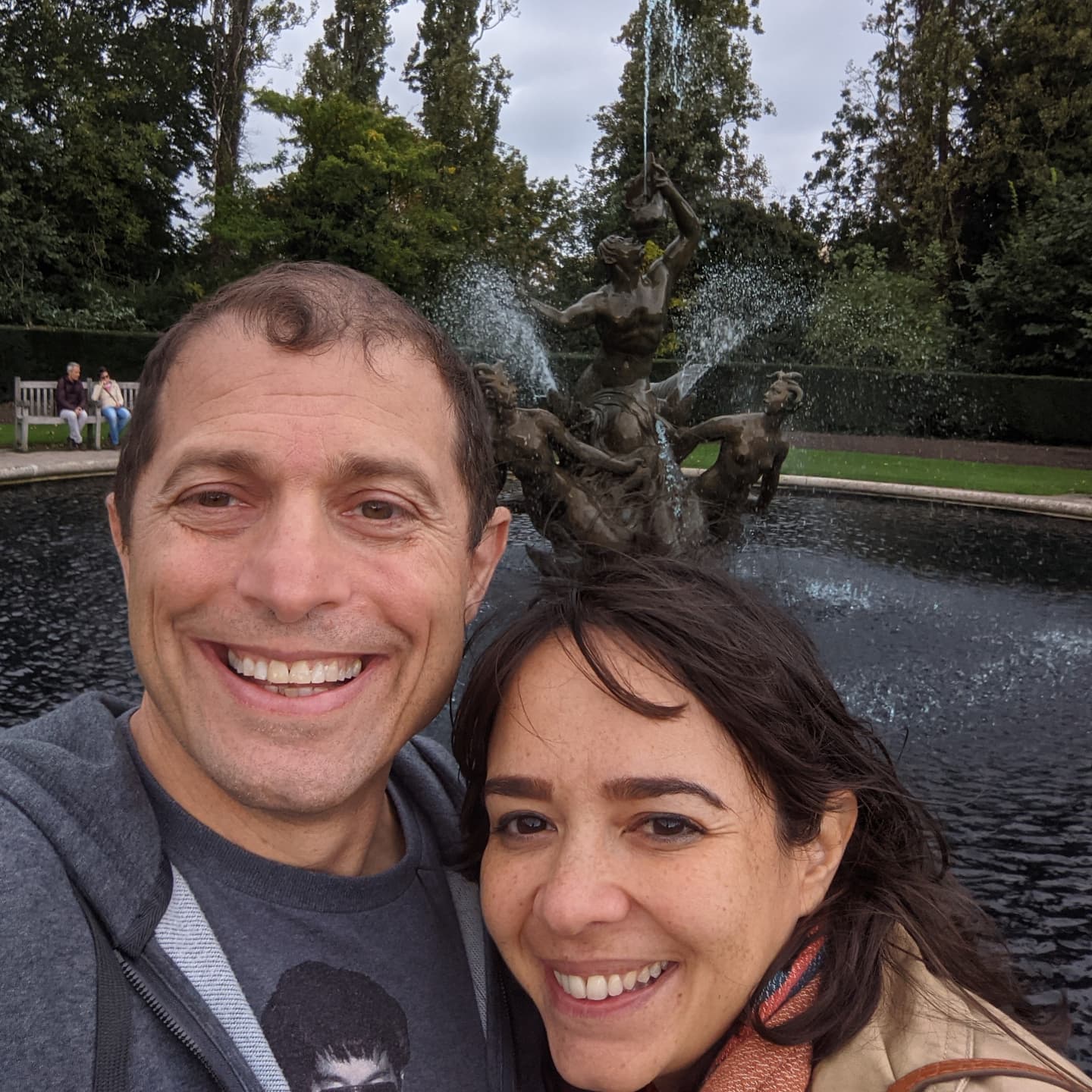
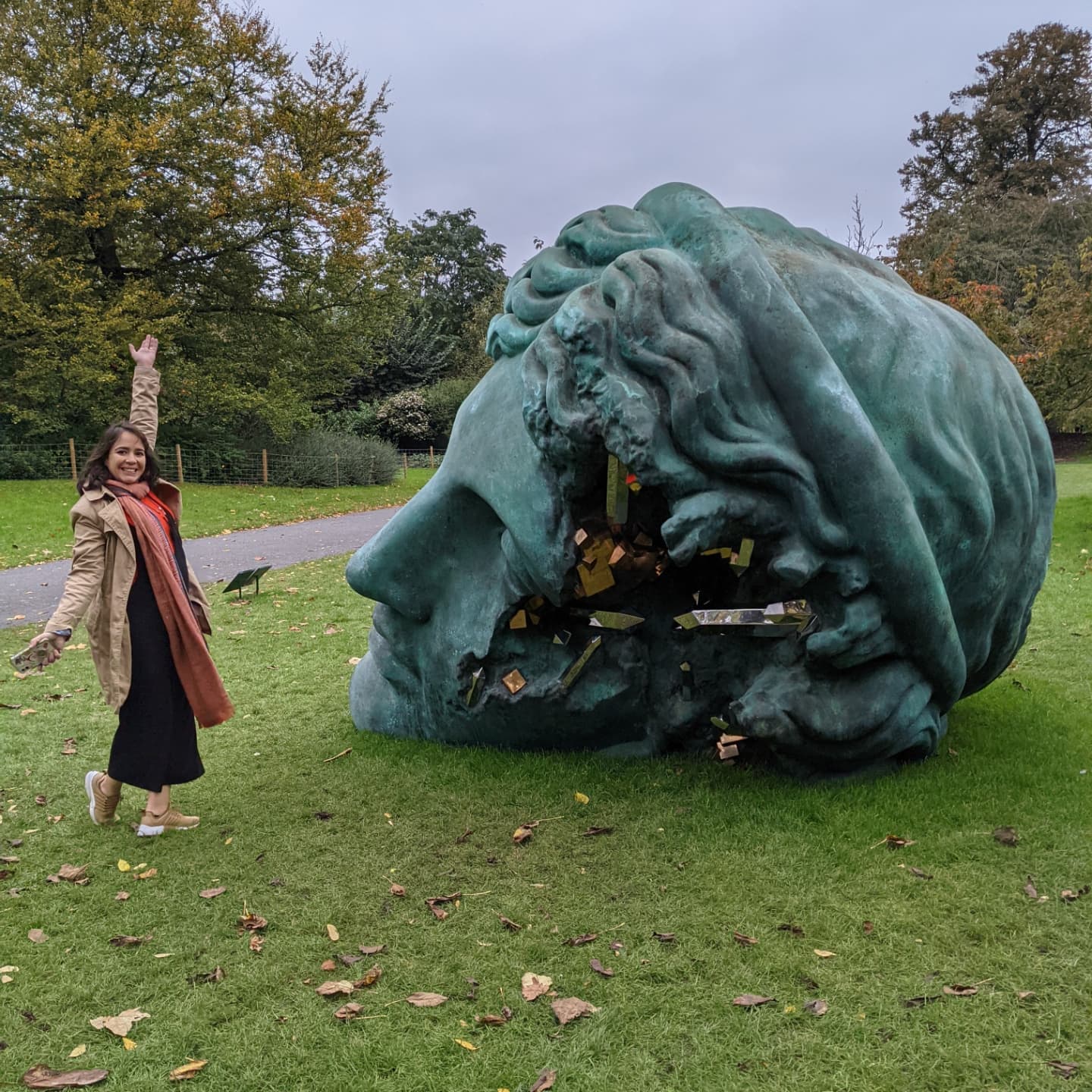
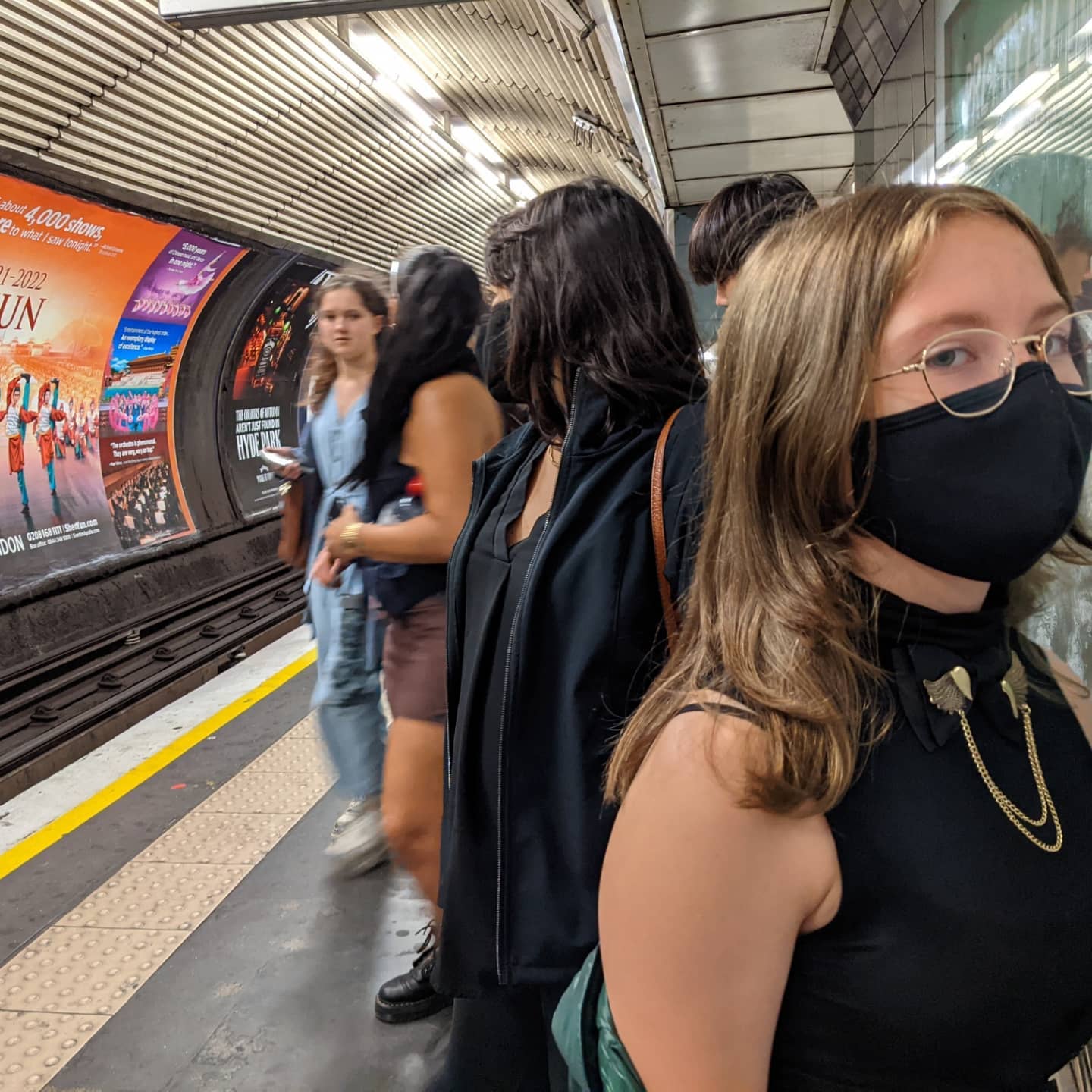
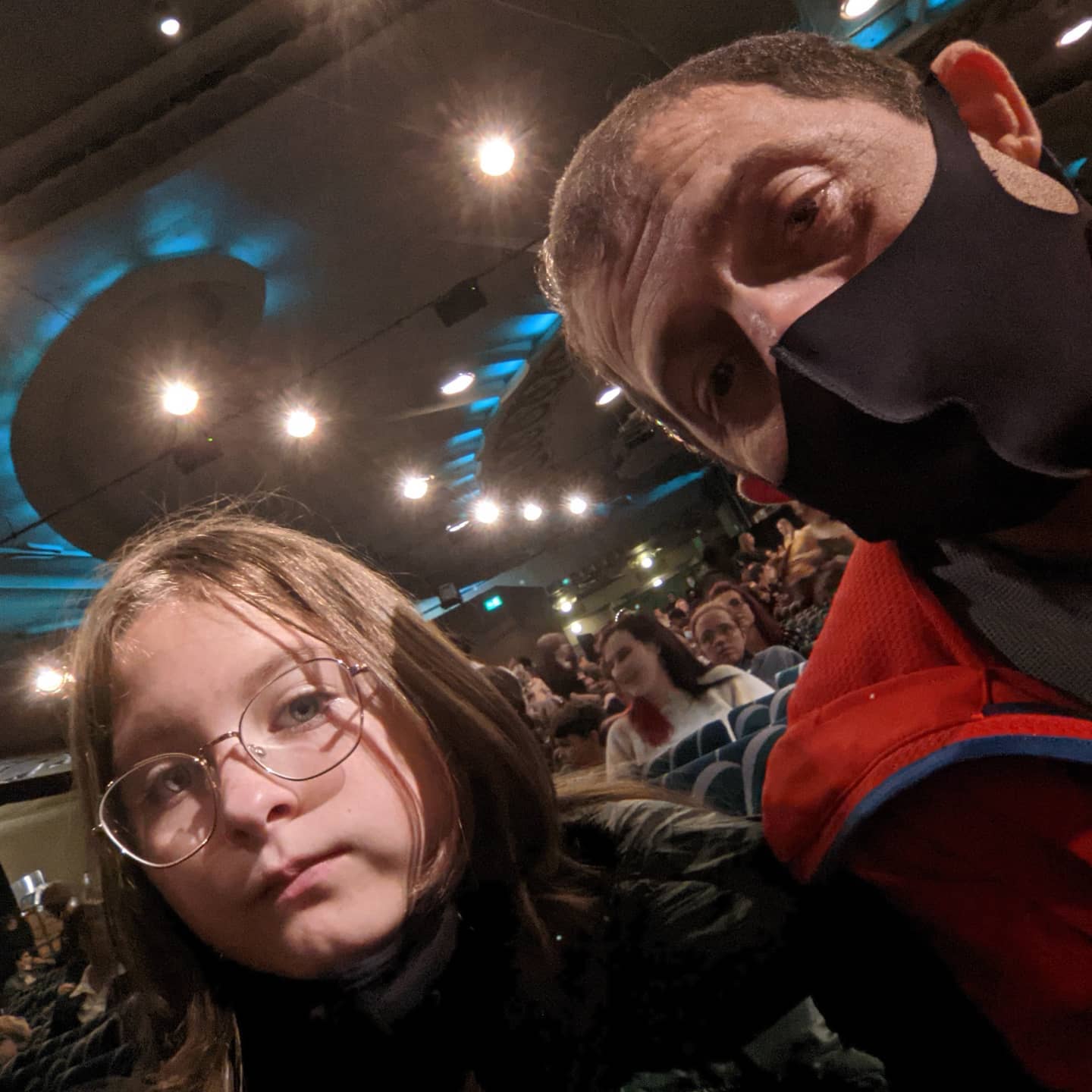
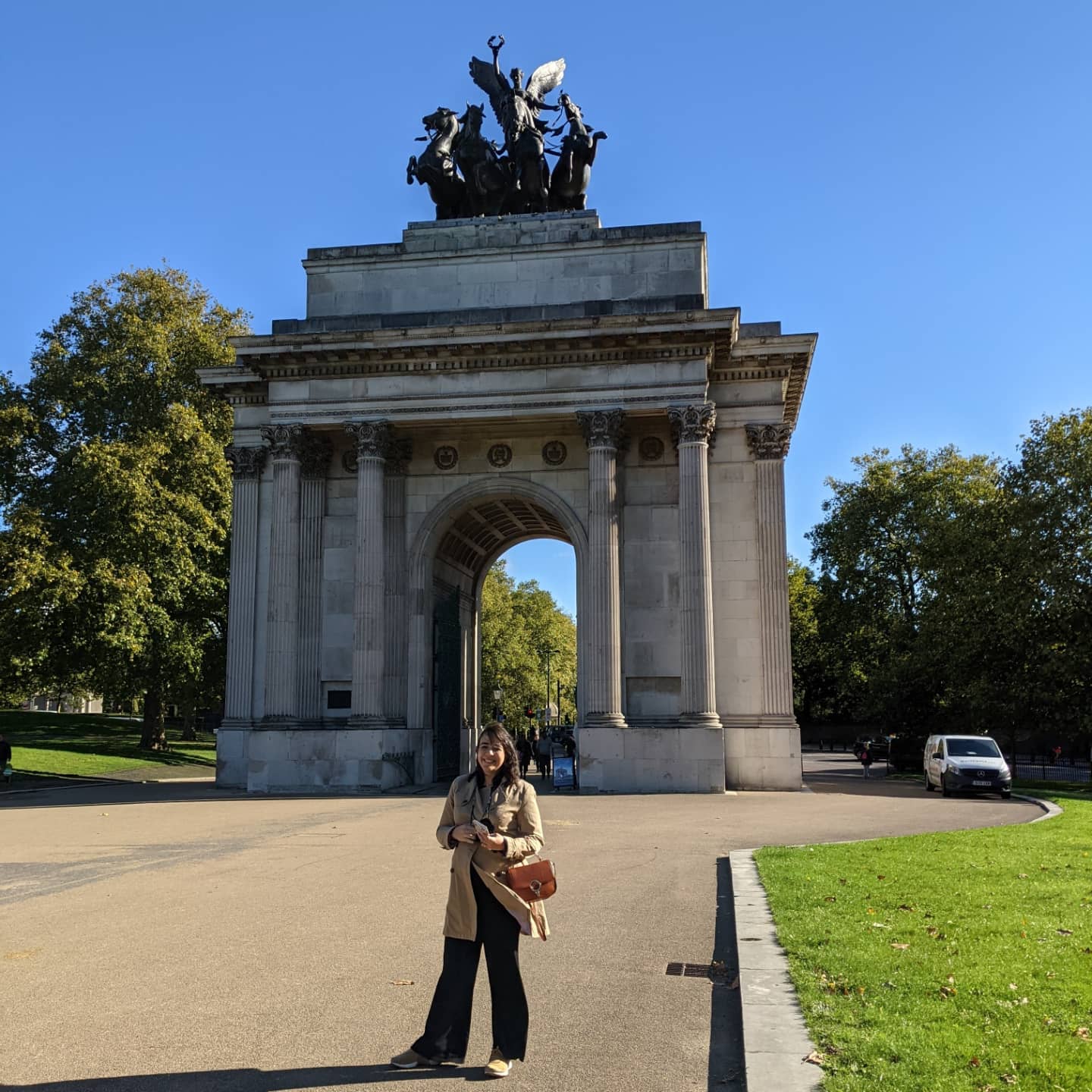
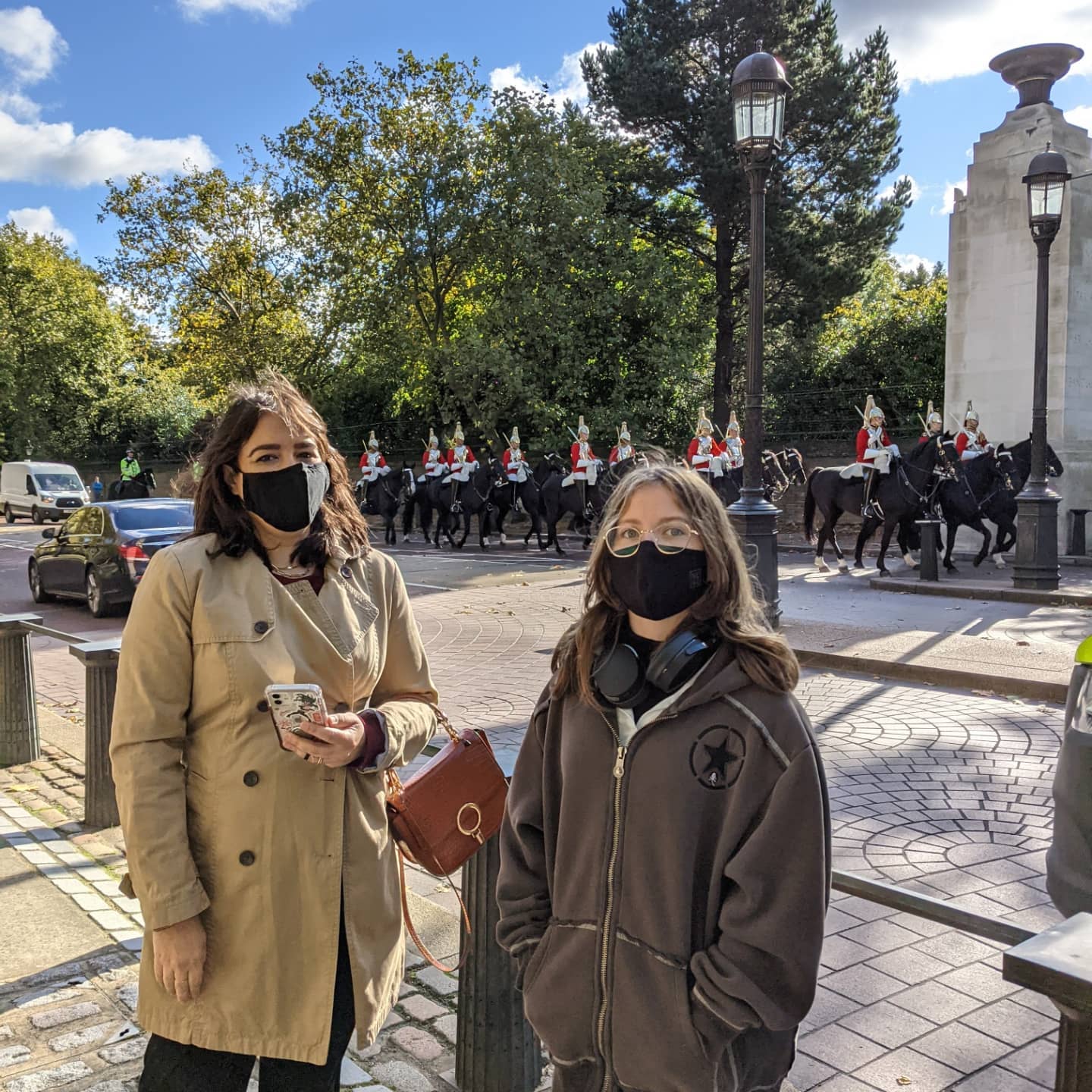
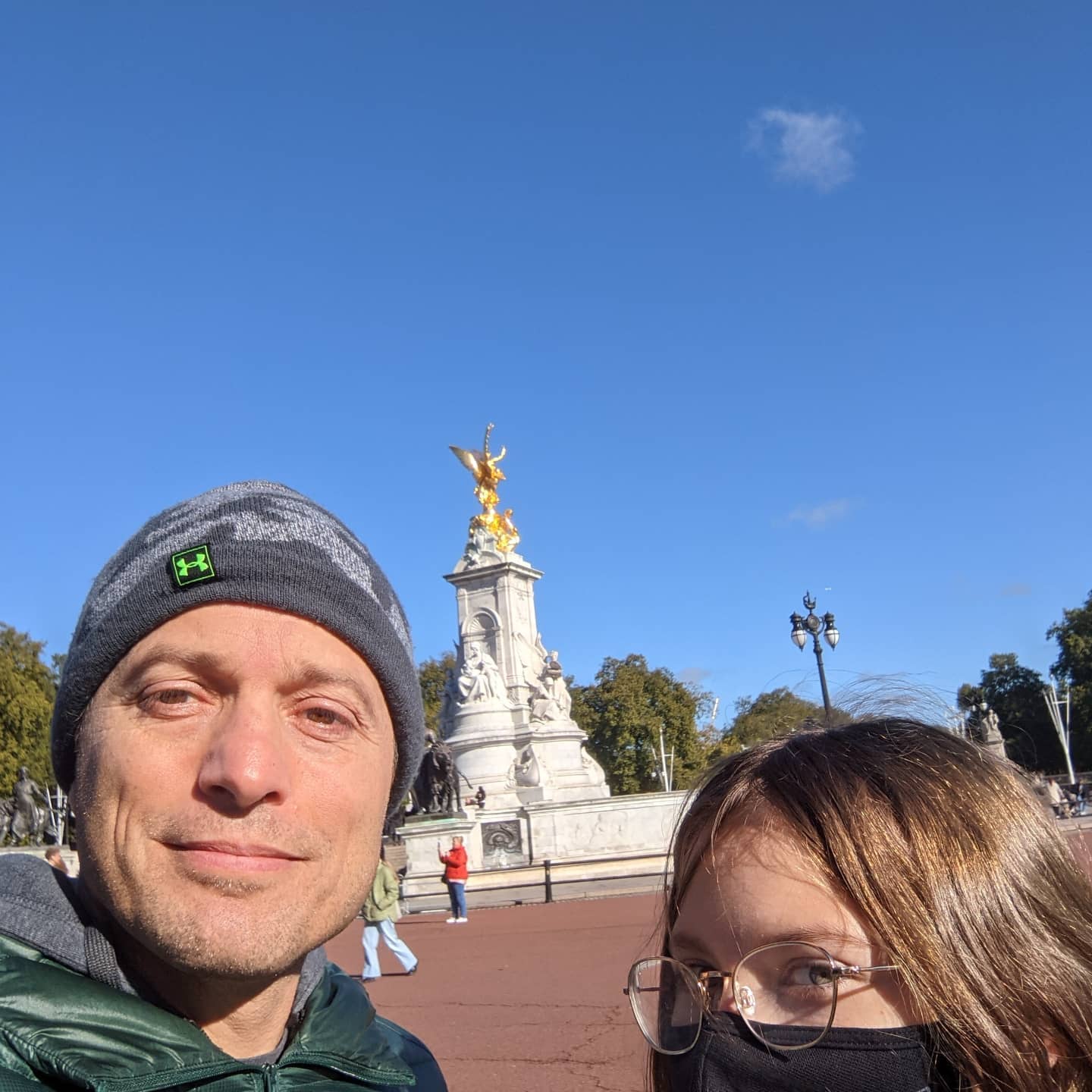
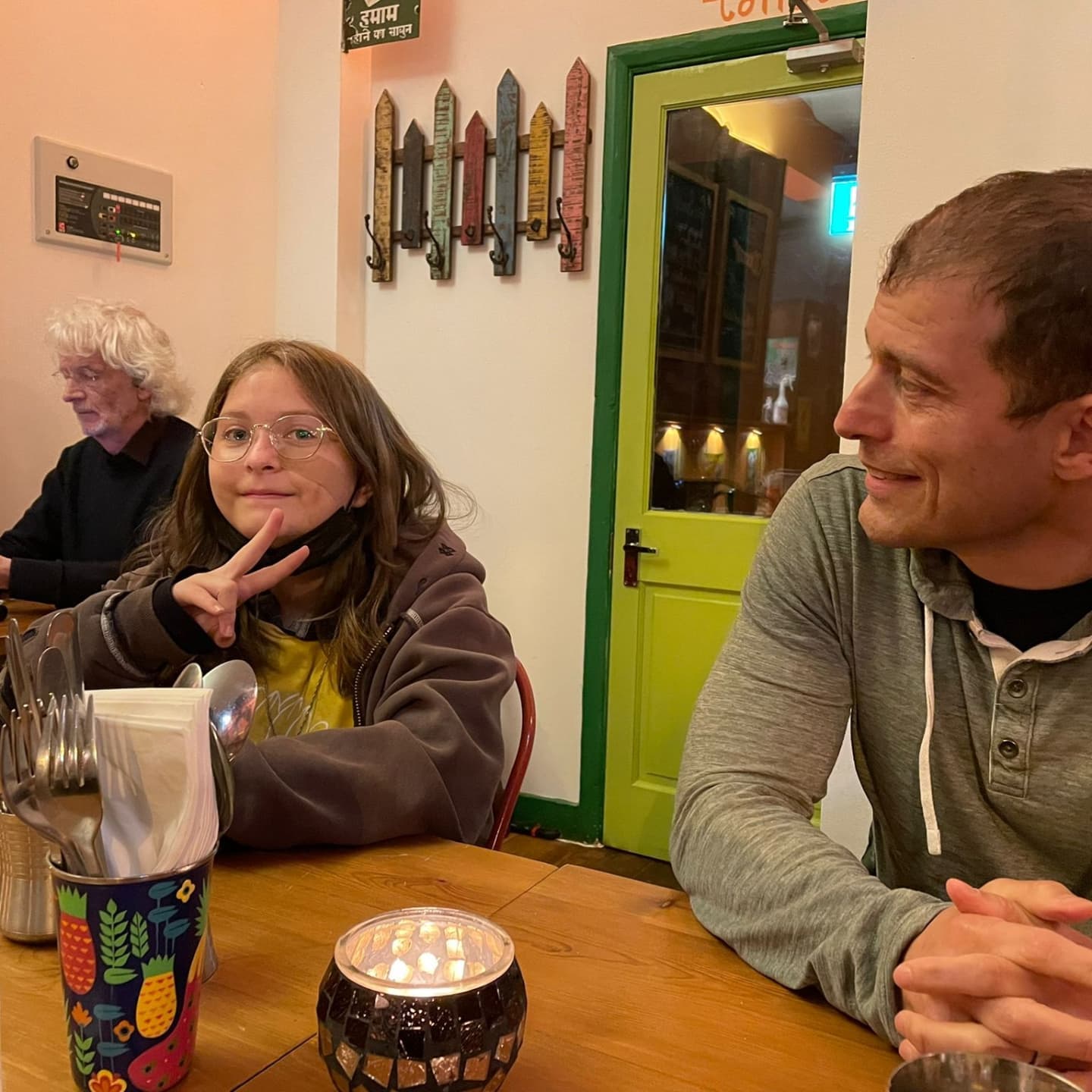
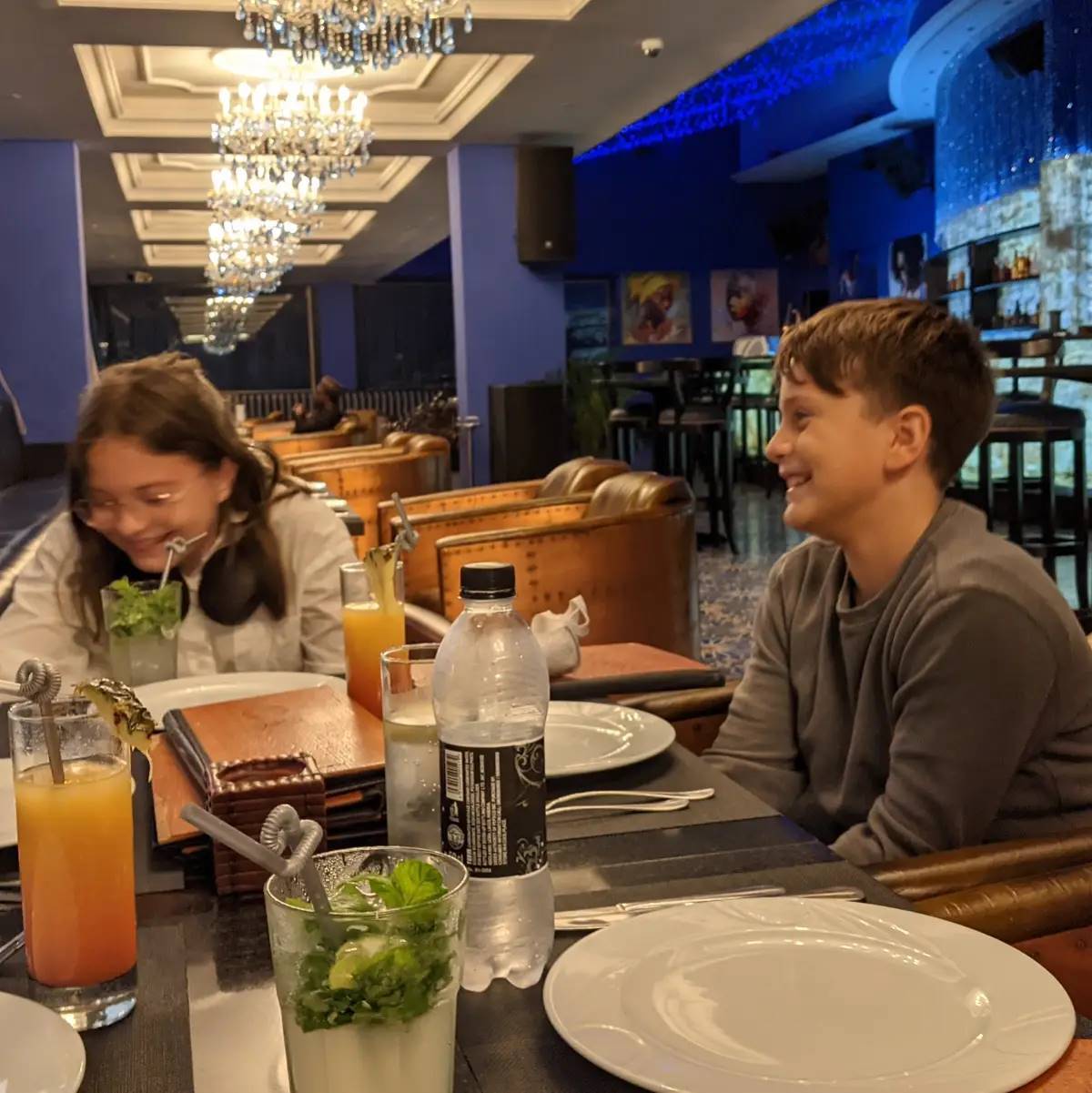
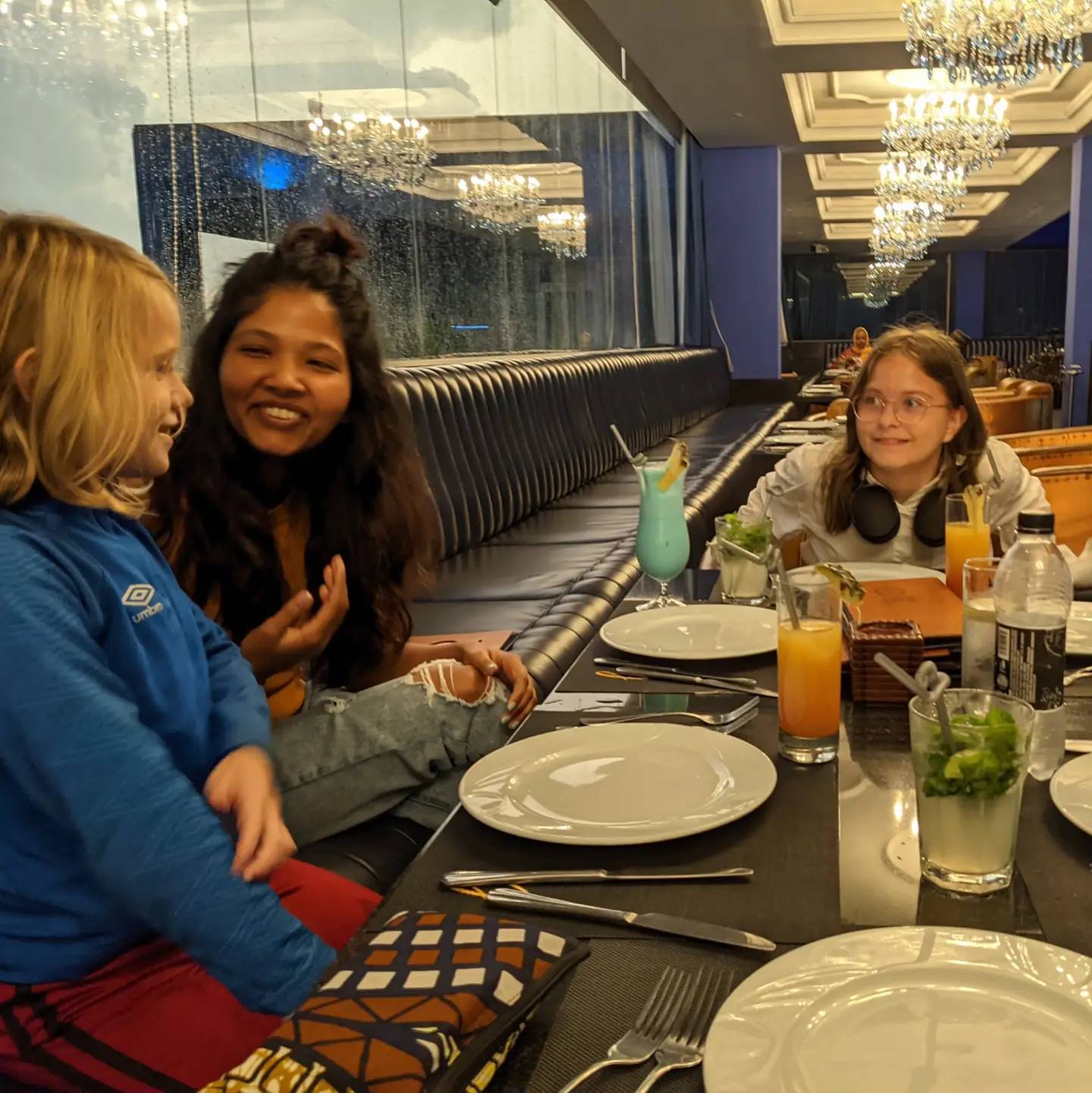
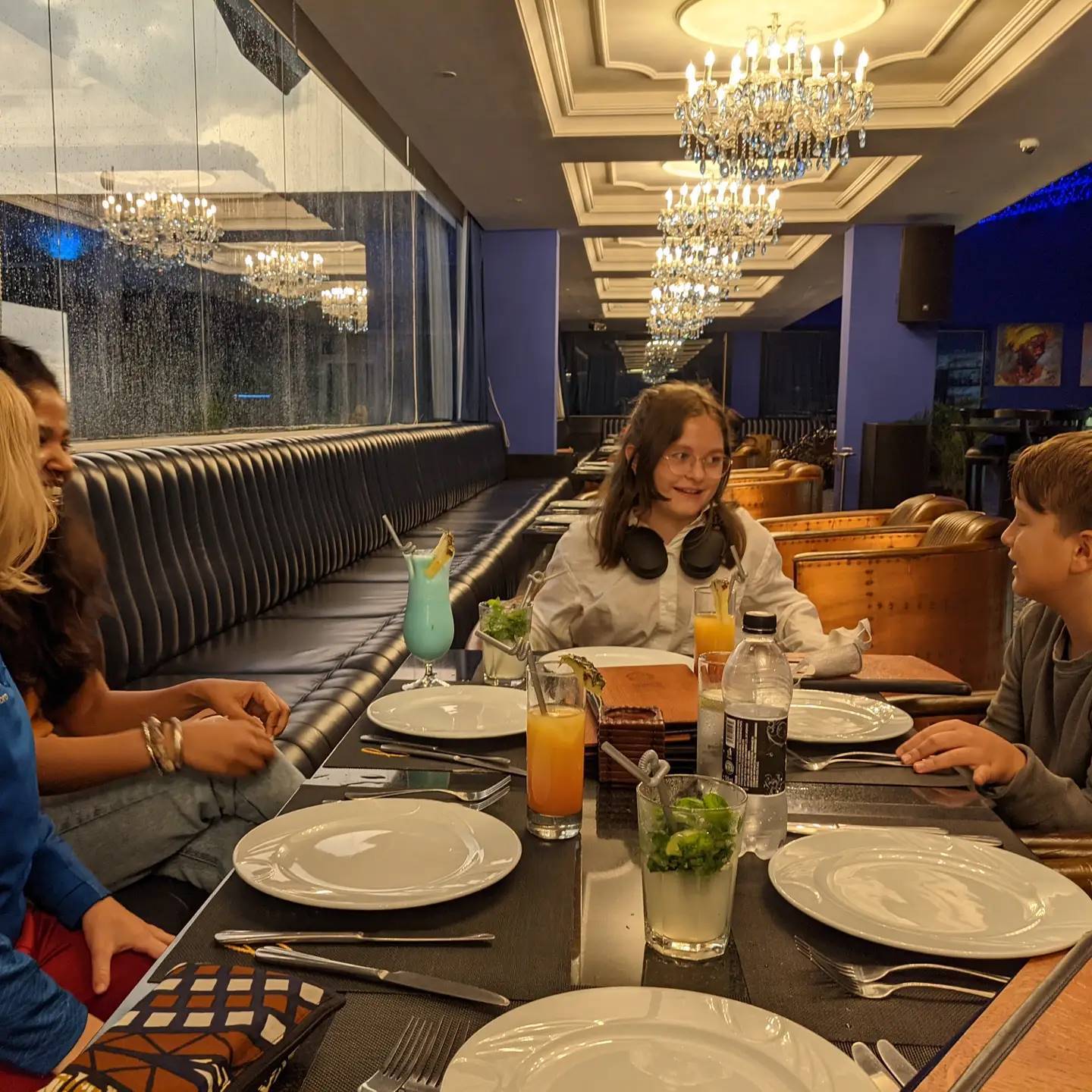
It's been a great week in London. Saw Wicked and The Mouse Trap as well as a lot of sights. Also connected with some old friends. Was fantastic to see Rita and Efrain and great that Amelie reconnected with Lucia.
📍 London, United Kingdom, London is the capital and most populous city of England and the United Kingdom.Standing on the River Thames in the south east of the island of Great Britain, London has been a major settlement for two millennia. It was founded by the Romans, who named it Londinium. London's ancient core, the City of London, largely retains its 1.12sqmi medieval boundaries. Since at least the 19th century, "London" has also referred to the metropolis around this core, historically split between Middlesex, Essex, Surrey, Kent, and Hertfordshire, which today largely makes up Greater London, a region governed by the Mayor of London and the London Assembly.London is a leading global city in the arts, commerce, education, entertainment, fashion, finance, healthcare, media, professional services, research and development, tourism, and transportation. It is crowned as the world's largest financial centre and has the fifth- or sixth-largest metropolitan area GDP in the world. London is a world cultural capital. It is the world's most-visited city as measured by international arrivals and has the world's largest city airport system measured by passenger traffic. London is the world's leading investment destination, hosting more international retailers and ultra high-net-worth individuals than any other city. London's universities form the largest concentration of higher education institutes in Europe. In 2012, London became the first city to have hosted the modern Summer Olympic Games three times. · map
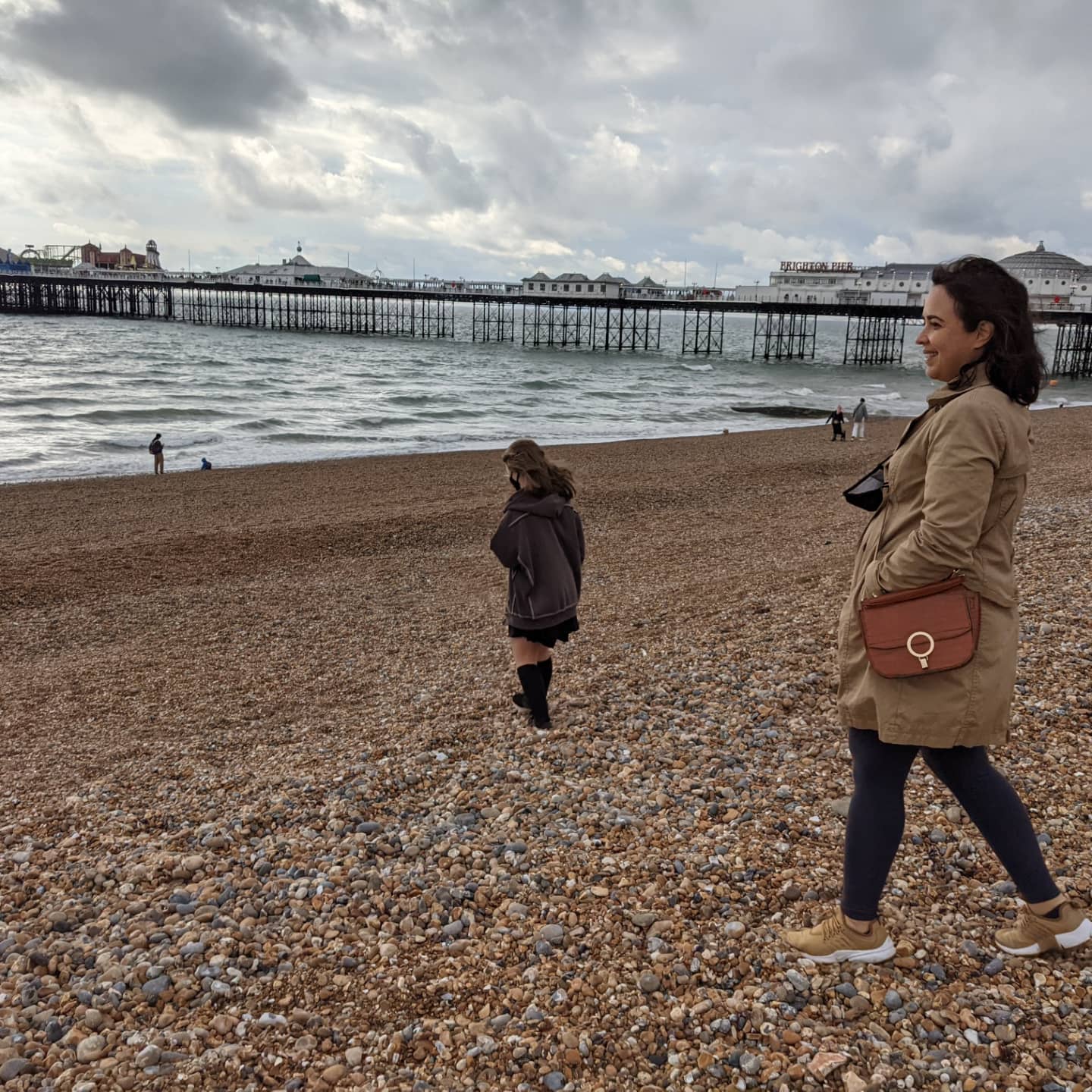
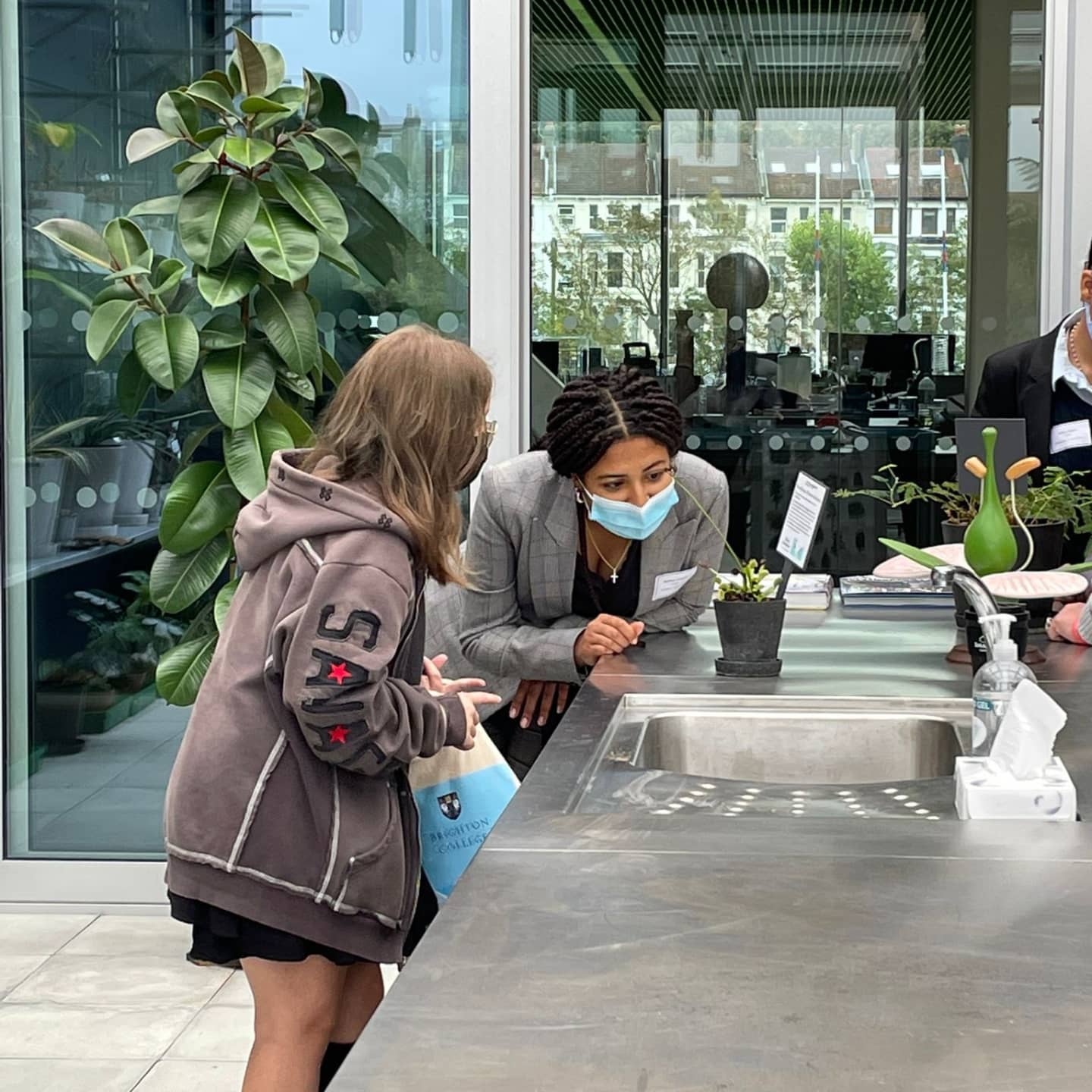
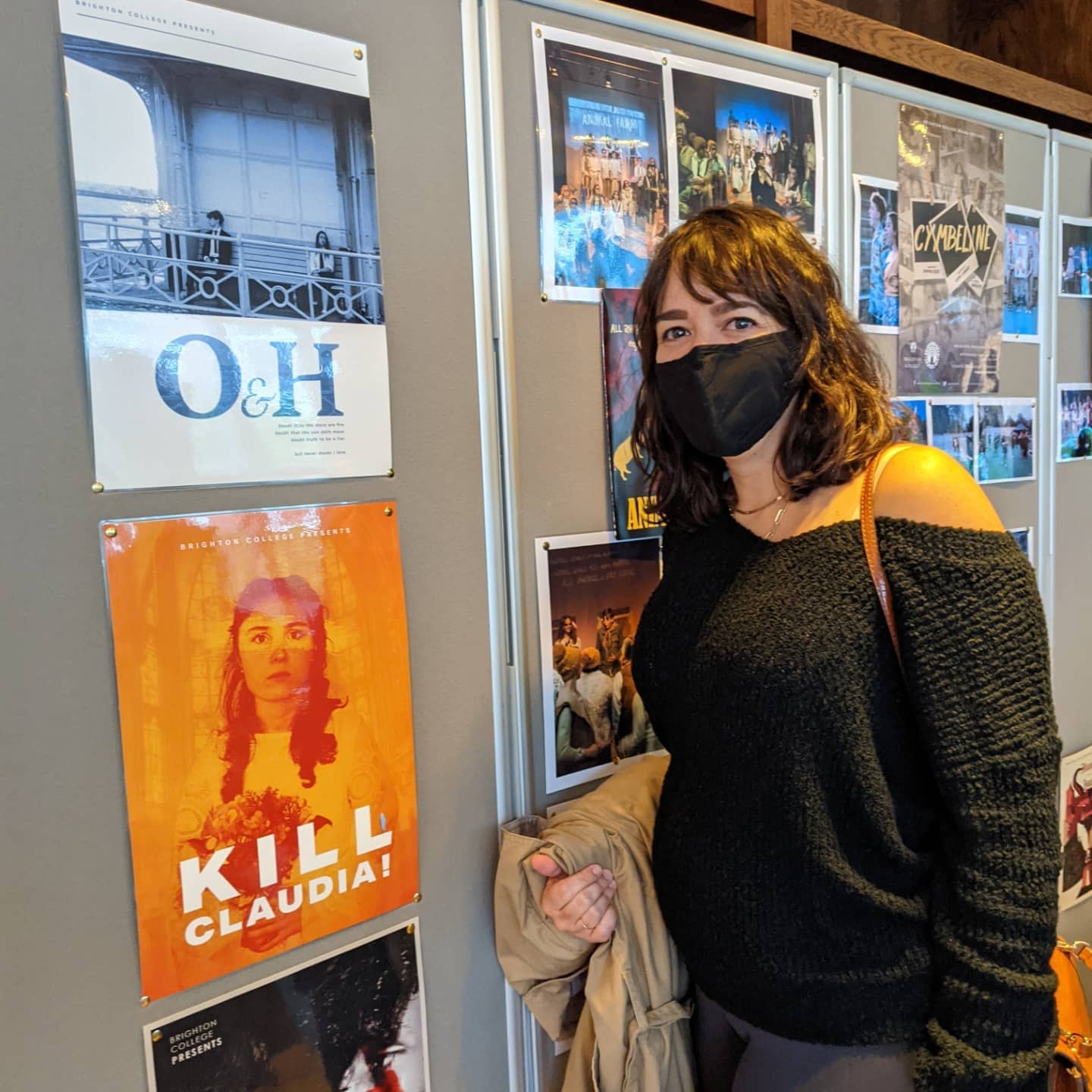
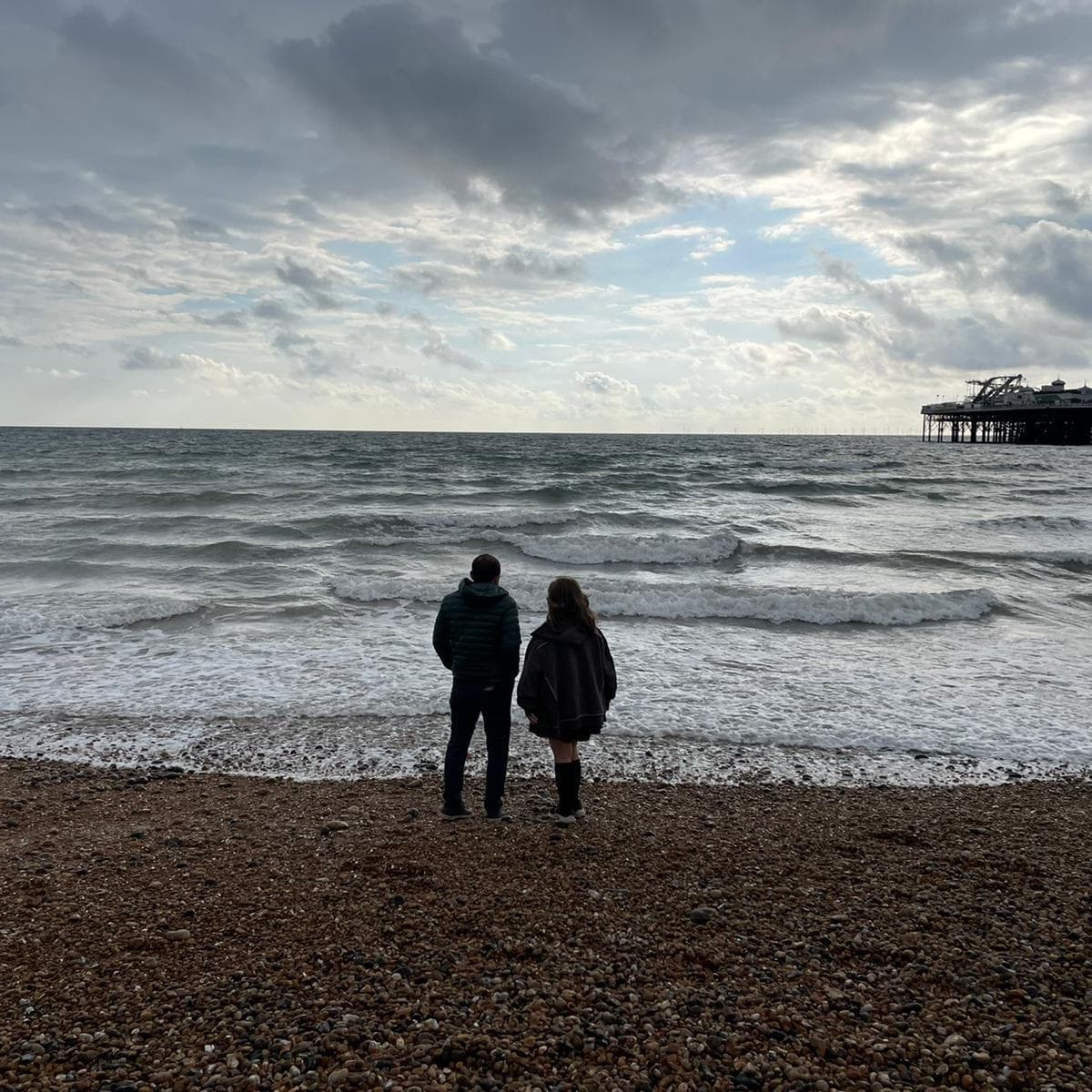
Early 11th birthday for Saul before Amelie, Claudia, and I head to London for a week. Going to look at a school in Brighton that Amelie's interested in, get a twenty week ultra sound (not me), and have a little vacation.
This weekend we told these guys that they are getting a sibling. They were super excited. More so than I could have hoped. That night when he was in bed Saul said, "I wish you hadn't told me because I am so excited I can't sleep." #humanpuppy #babyboydreizin #March4th
📍 Abuja, Nigeria, Abuja is the capital city of Nigeria located in the centre of the country within the Federal Capital Territory (FCT). It is a planned city and was built mainly in the 1980s, replacing the country's most populous city of Lagos as the capital on 12 December 1991. Abuja's geography is defined by Aso Rock, a 400m monolith left by water erosion. The Presidential Complex, National Assembly, Supreme Court and much of the city extend to the south of the rock. Zuma Rock, a 792m monolith, lies just north of the city on the road to Kaduna State.At the 2006 census, the city of Abuja had a population of 776,298, making it one of the ten most populous cities in Nigeria. According to the United Nations, Abuja grew by 139.7% between 2000 and 2010, making it the fastest growing city in the world., the city is still experiencing an annual growth of at least 35%, still retaining its position as the fastest-growing city on the African continent and one of the fastest-growing in the world. Abuja has witnessed a huge influx of people into the city; the growth has led to the emergence of satellite towns, such as Karu Urban Area, Suleja, Gwagwalada, Lugbe, Kuje and smaller settlements towards which the planned city is sprawling. The unofficial metropolitan area of Abuja has a population of well over three million, making it the fourth largest metropolitan area in Nigeria, surpassed only by Lagos, Kano and Ibadan. As at 2016, the metropolitan area of Abuja is estimated at 6 million persons, placing it behind only Lagos, as the most populous metro area. · map
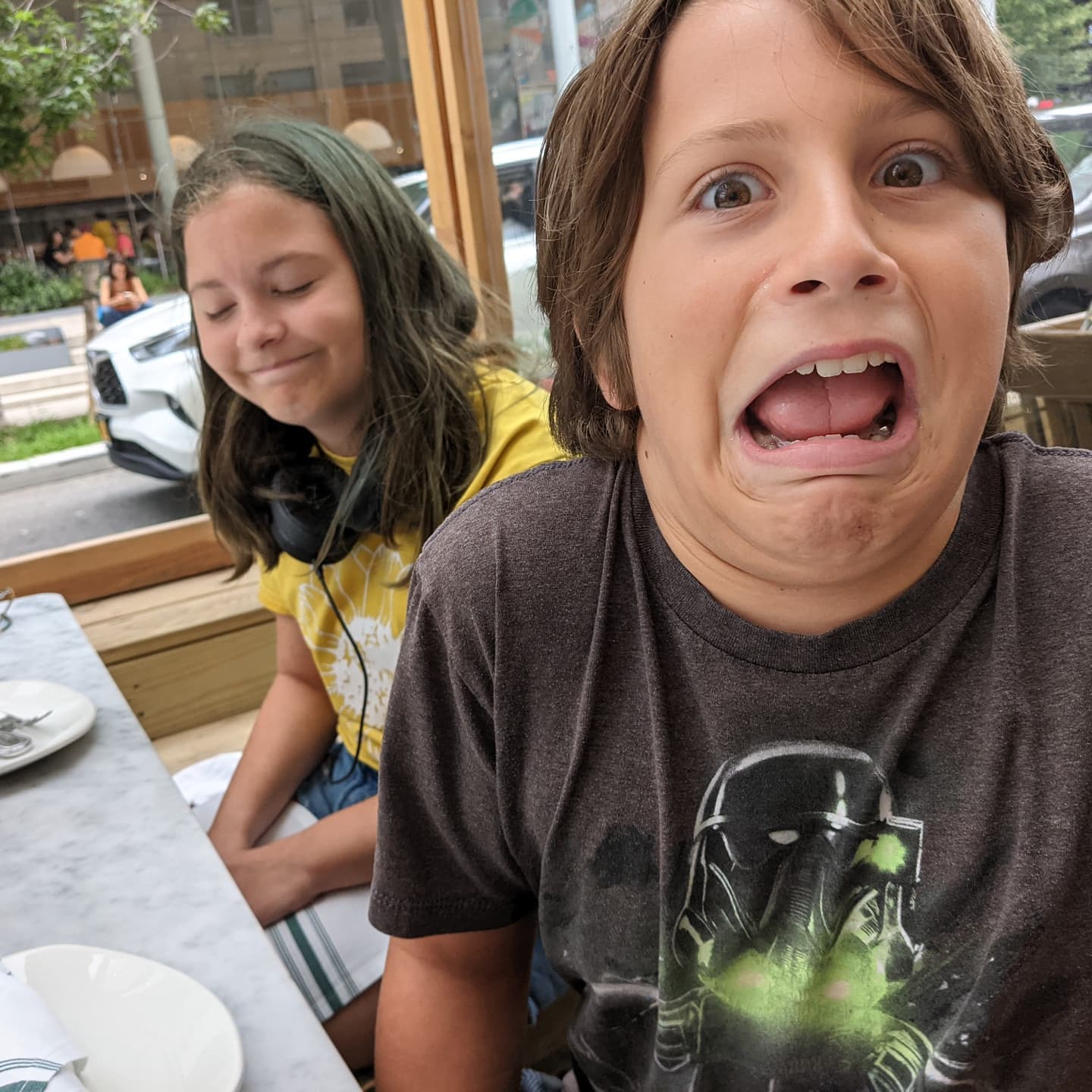
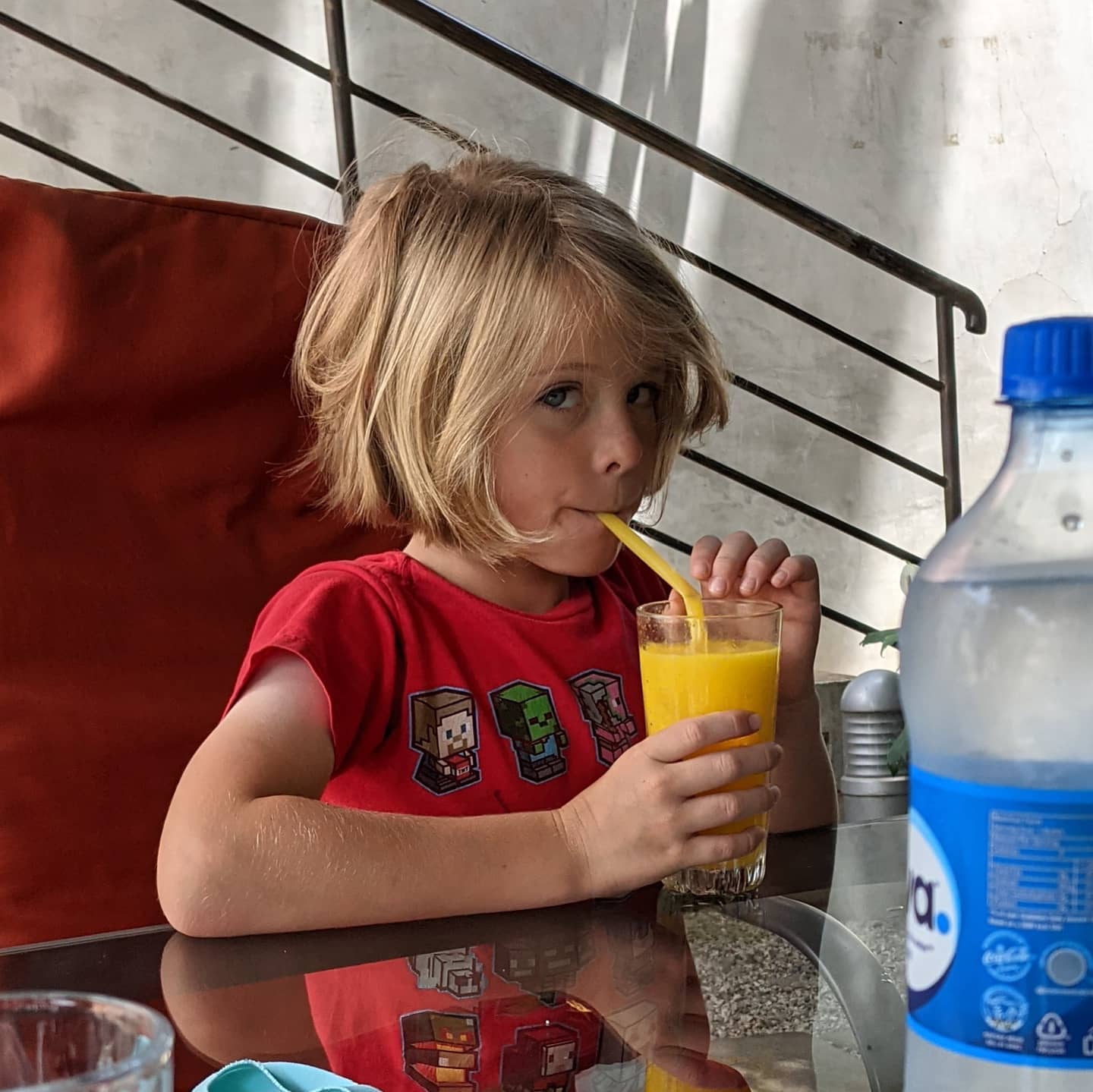
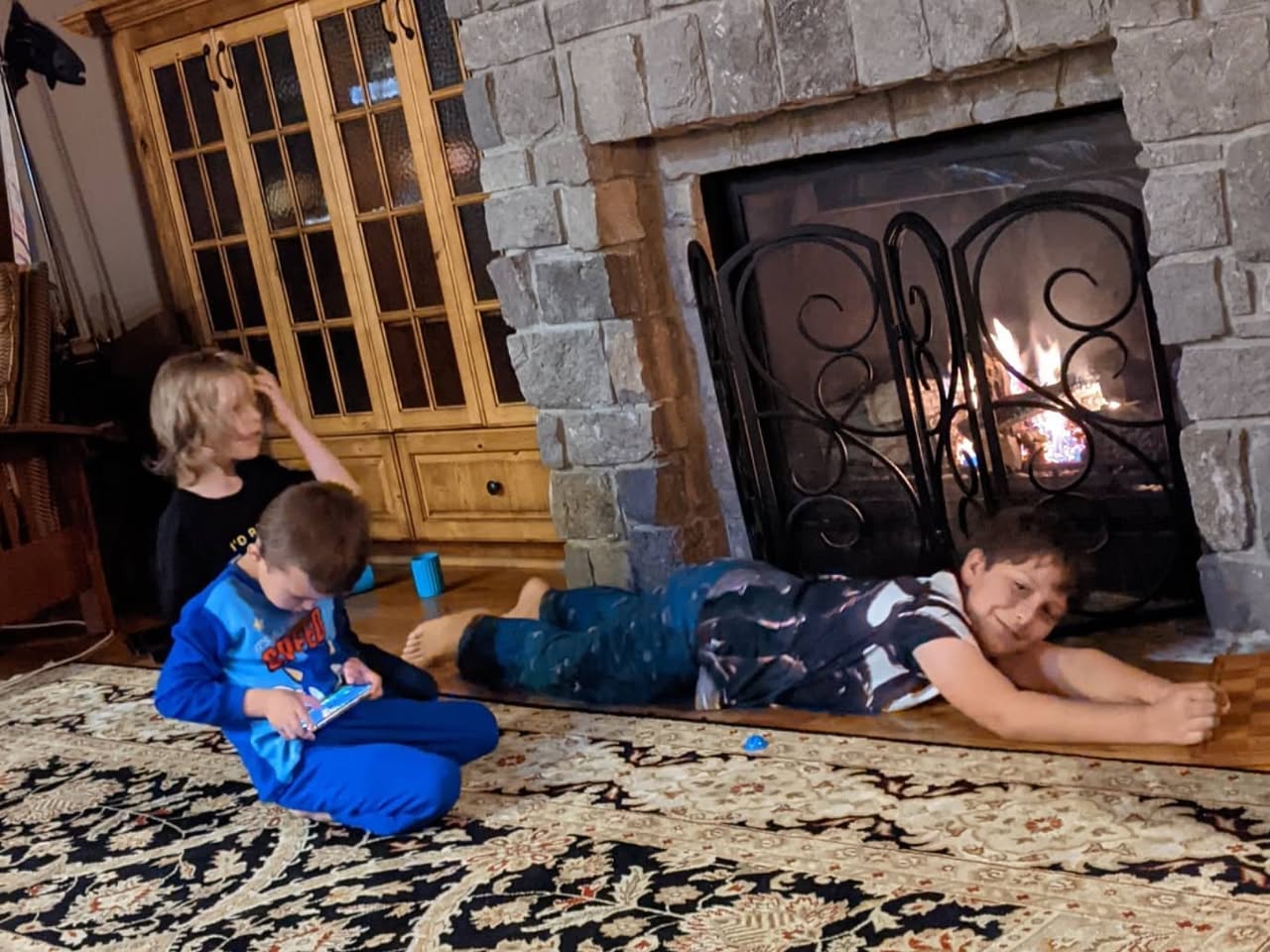
He refuses to cut his hair which wouldn't be a big deal except he's constantly chewing on it which gets kind of gross.
https://fb.watch/62R-46pg6O/
May
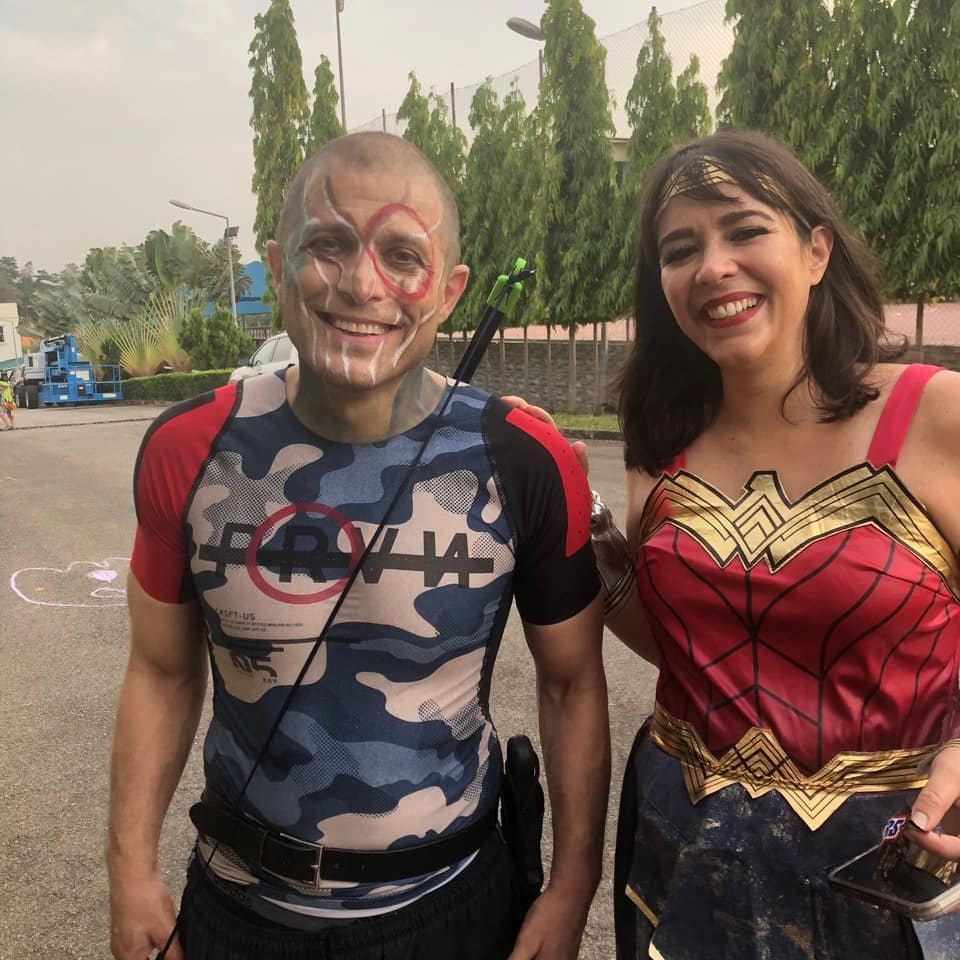
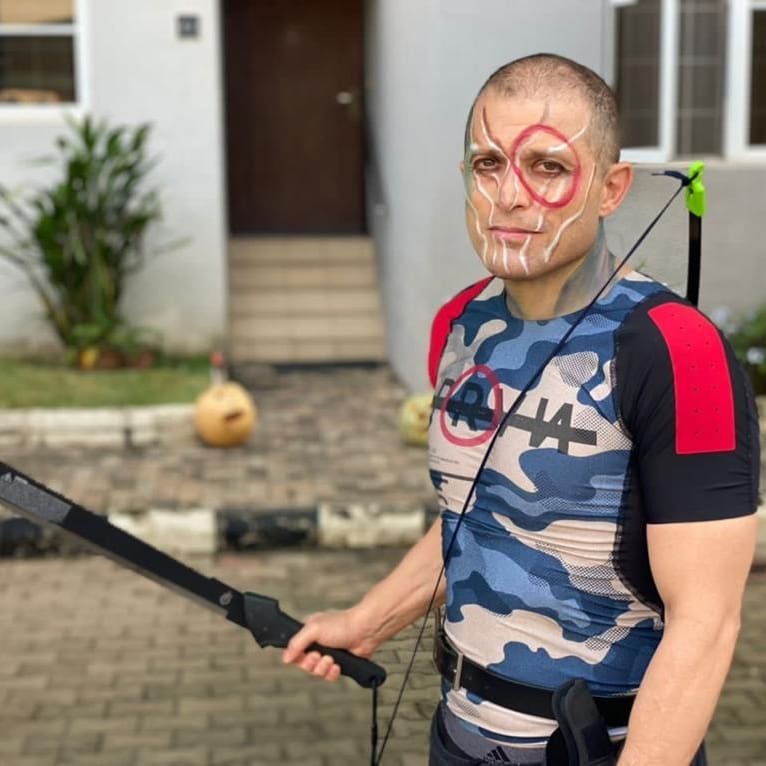
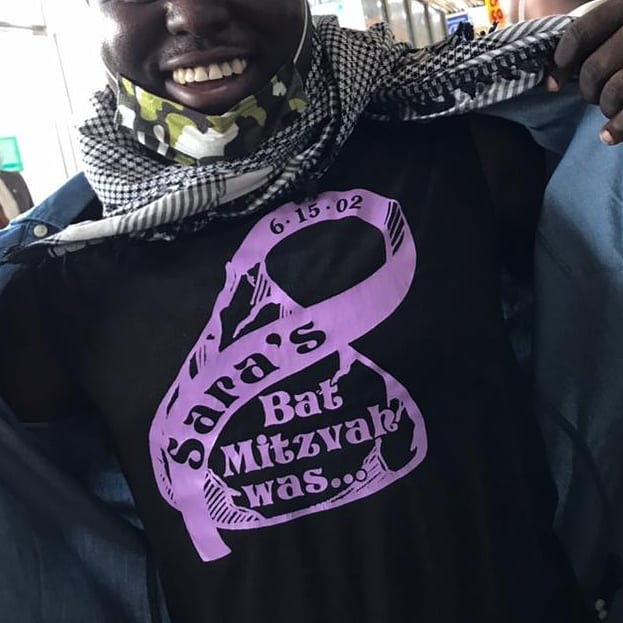
This guy was the head of security for one of our contractors when I went to Kebbi and Sokoto. You can't really tell from the photo, but he's a massive ball of muscle. He was also wearing combat boots and a bunch of camo accessories. But to me, the t-shirt made the outfit.
📍 Sokoto Caliphate, The Sokoto Caliphate was an independent Islamic Caliphate, in West Africa. Founded during the jihad of the Fulani War in 1809 by Usman dan Fodio, it was abolished when the British defeated the caliphate in 1903 and put the area under the Northern Nigeria Protectorate.Developed in the context of multiple, independent Hausa kingdoms, at its height the Caliphate linked over 30 different emirates and over 10 million people in the most powerful state in its region and one of the most significant empires in Africa in the nineteenth century. The caliphate was a loose confederation of emirates that recognized the suzerainty of the "commander of the faithful", the sultan or caliph. The caliphate brought decades of economic growth throughout the region. An estimated one to 2.5 million non-Muslim slaves were captured during the Fulani War. However, slavery in the Caliphate was not the more common chattel slavery; slaves provided labor for plantations and were provided an opportunity to become Muslims.Although the British abolished the political authority of the Caliphate the title of Sultan was retained, and remains an important religious position for Muslims in the region to the current day. Usman dan Fodio's jihad provided the inspiration for a series of related jihads in other parts of the savanna and Sahel far beyond Nigeria's borders that led to the foundation of Islamic states in Senegal, Mali, Ivory Coast, Chad, Central African Republic, and Sudan. · map
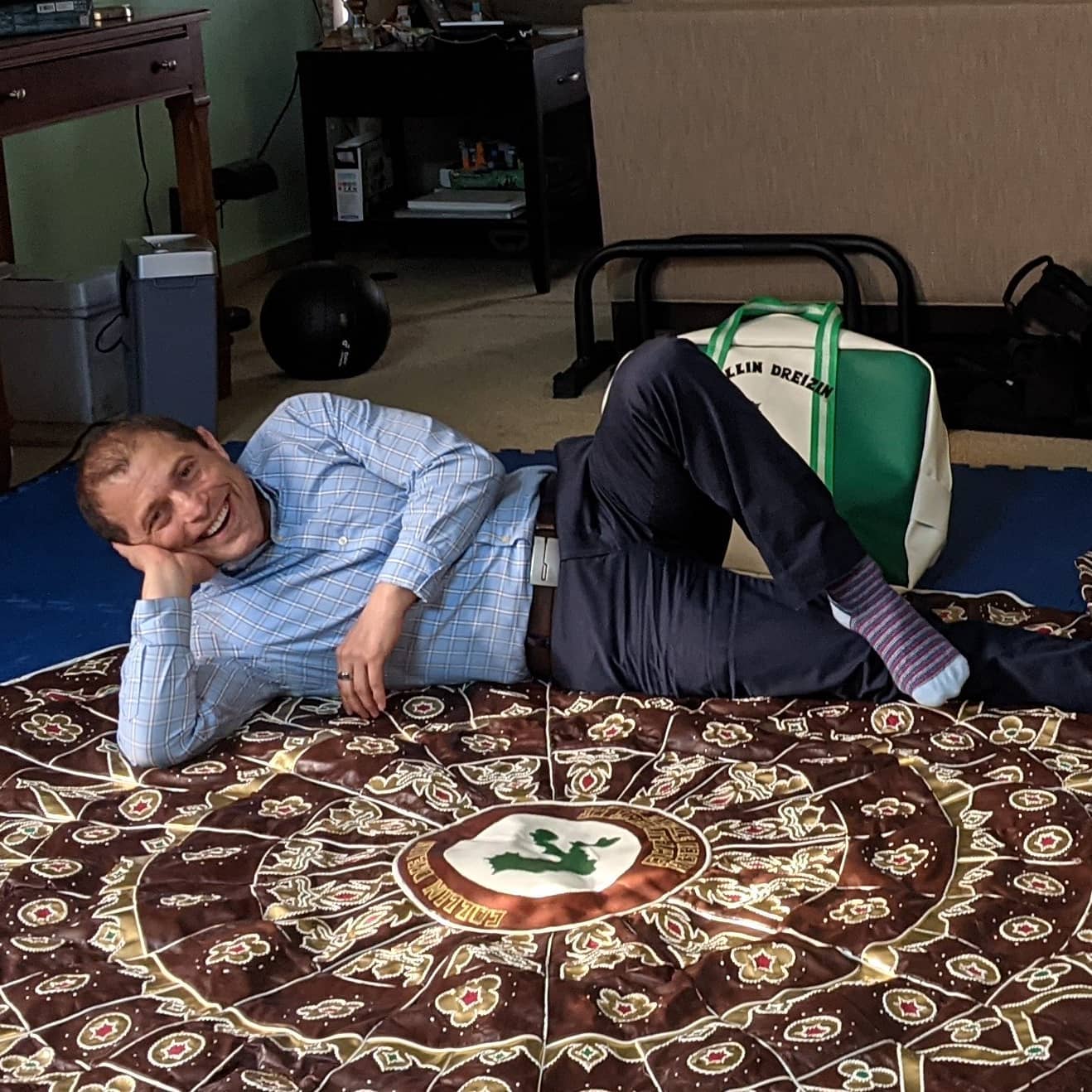
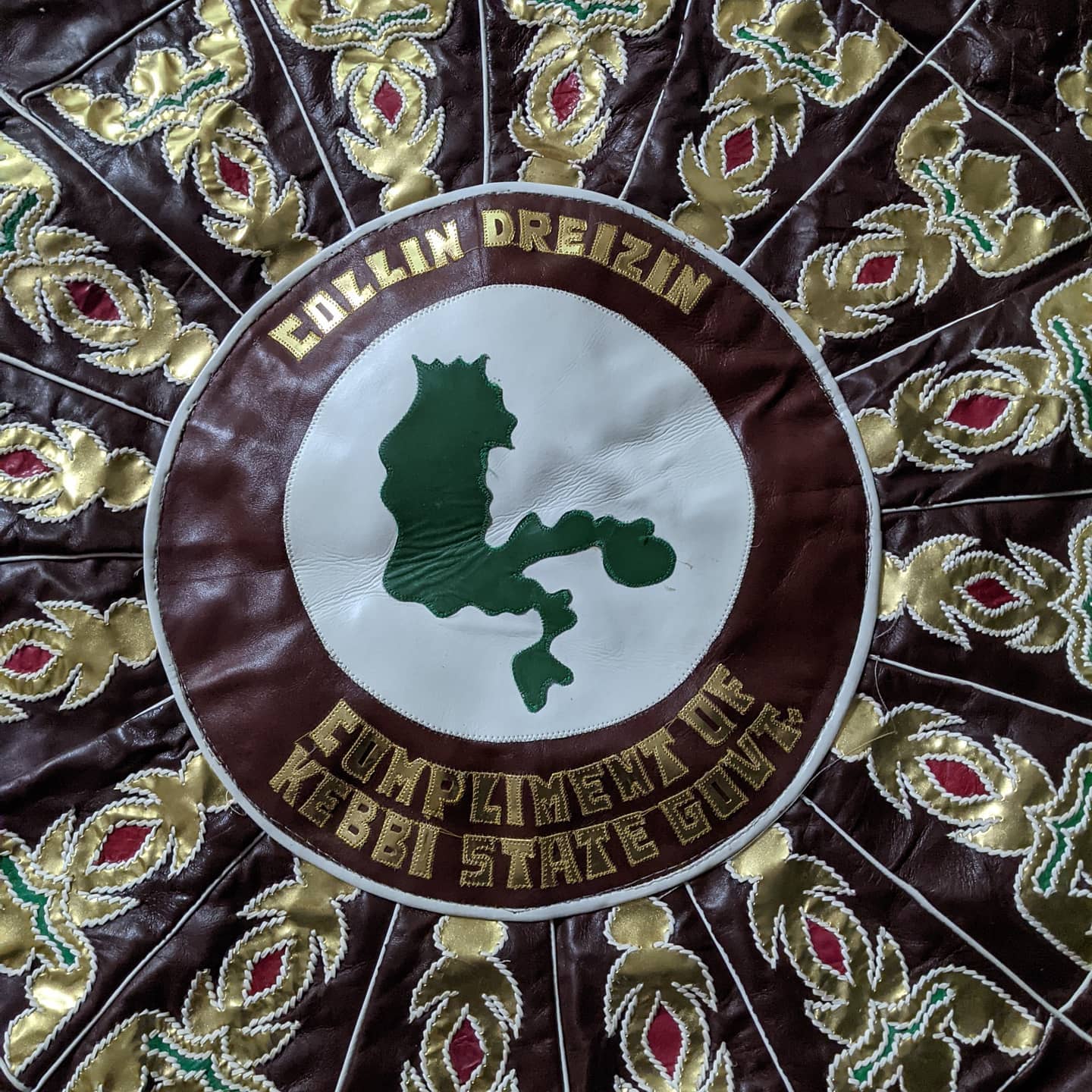
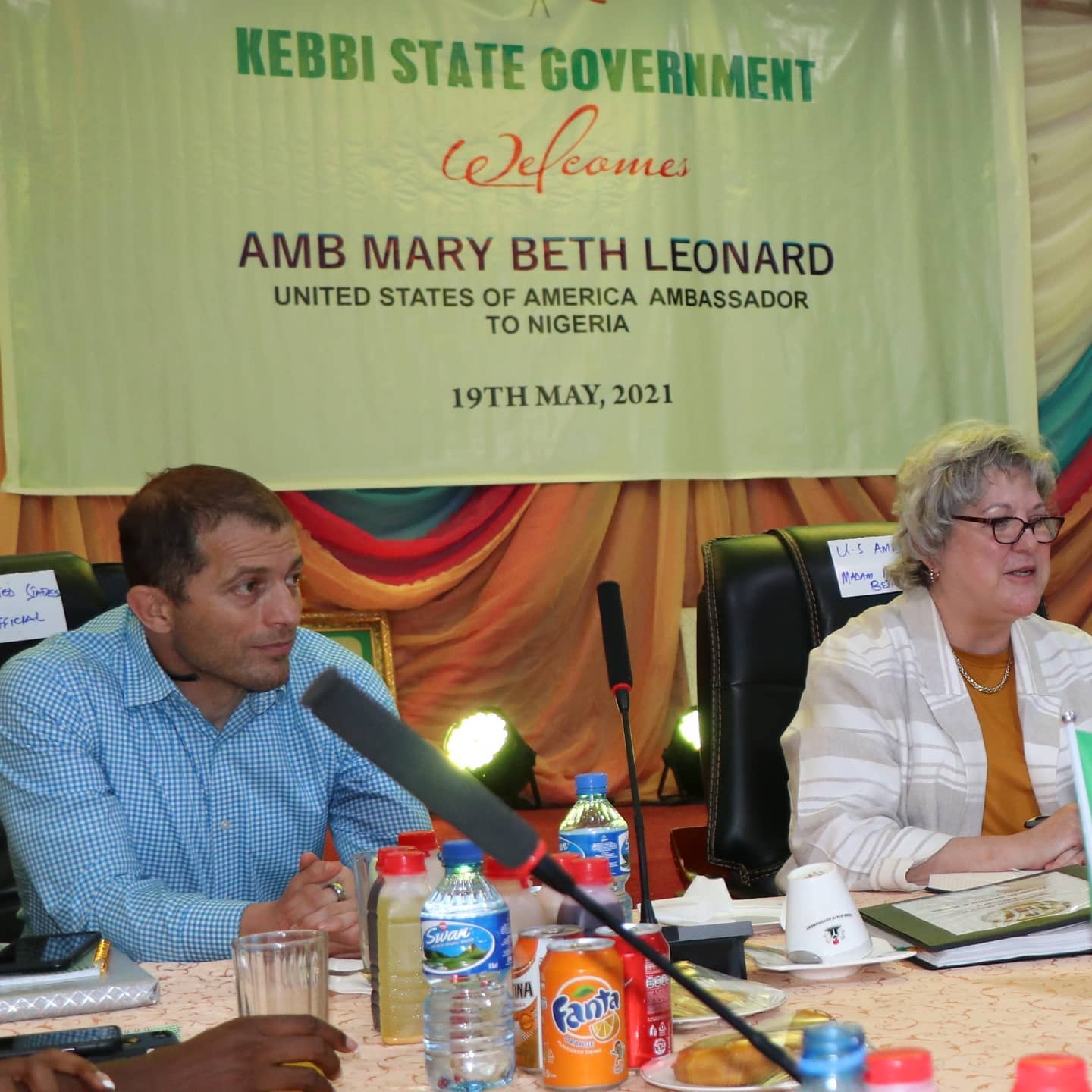
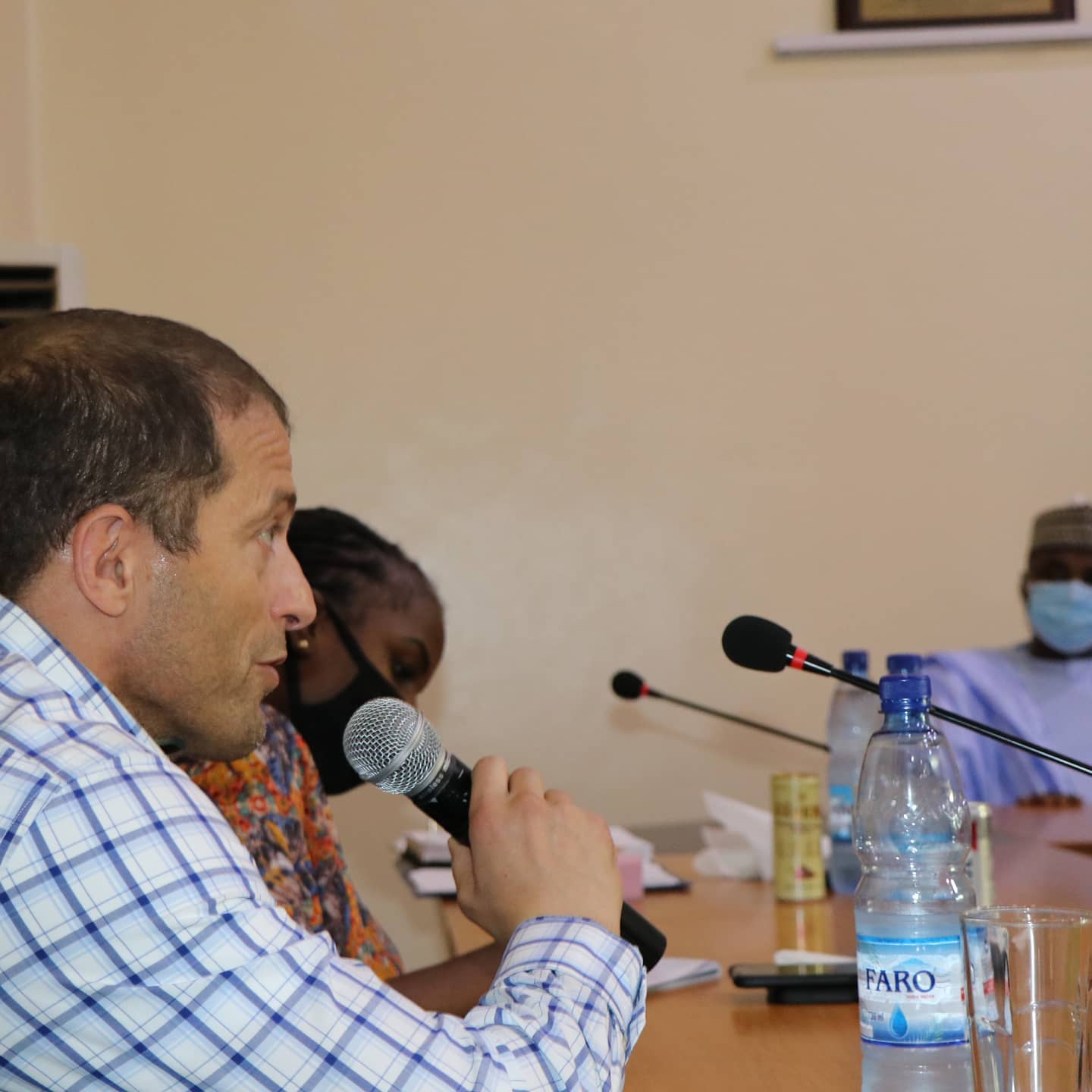
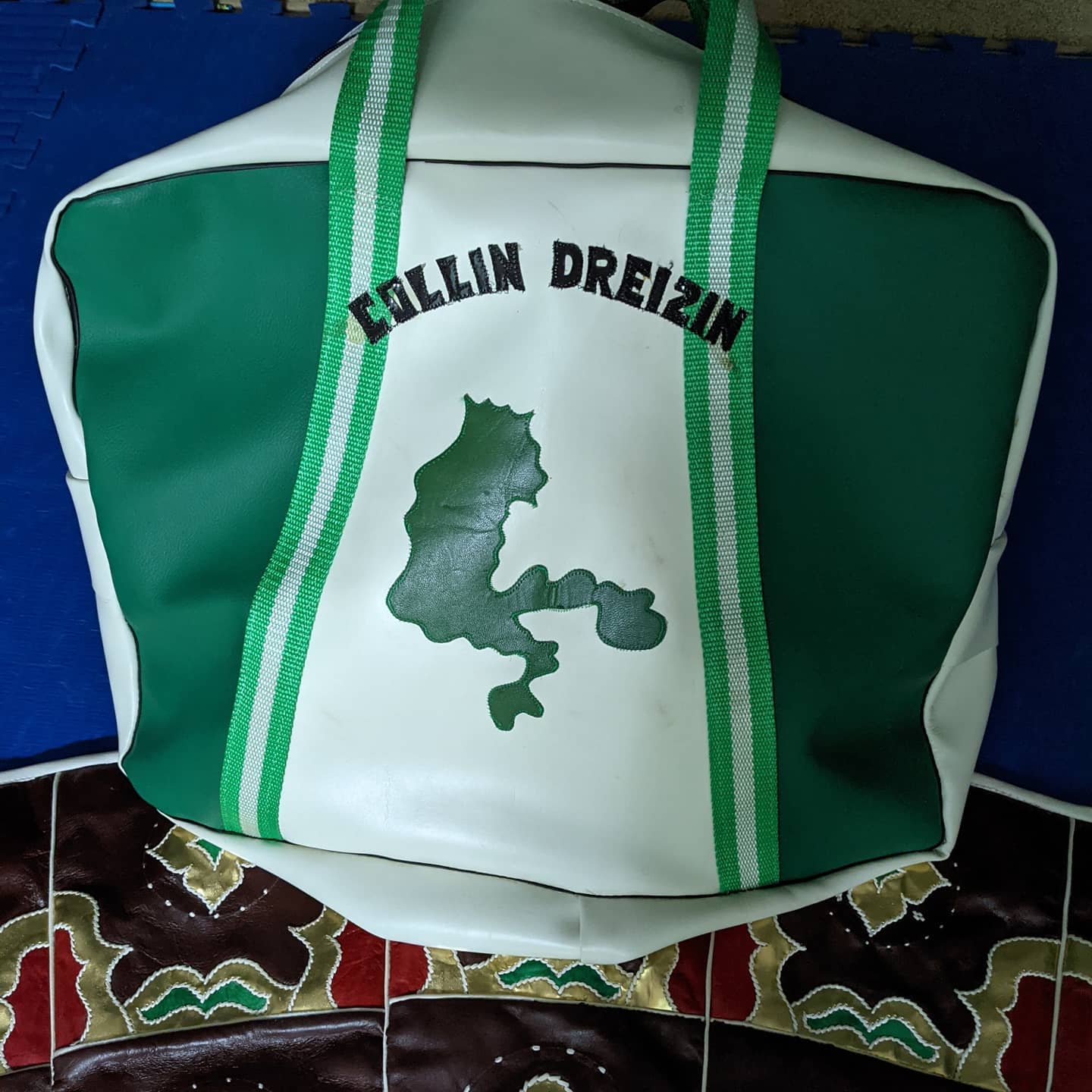
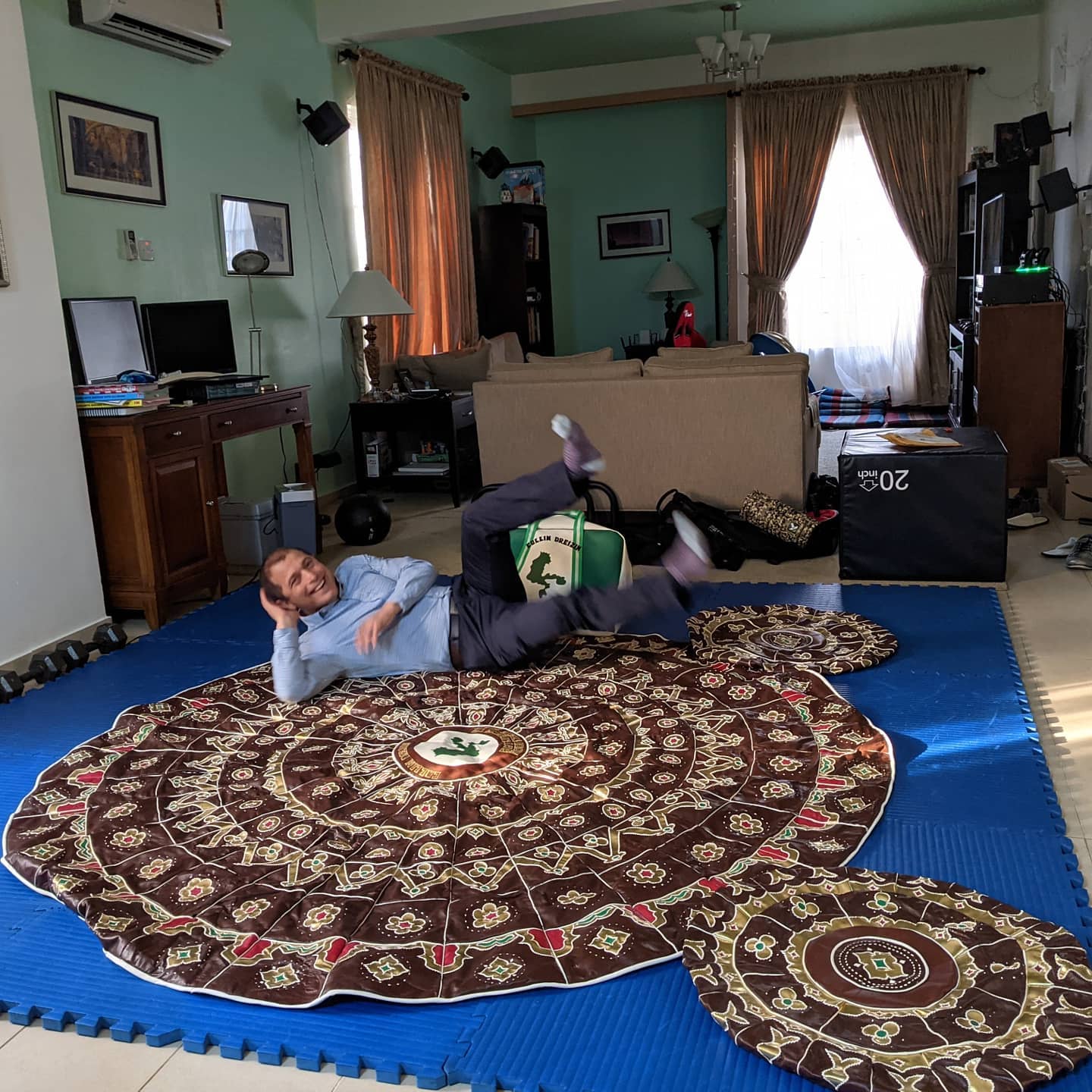
I went to Kebbi and Sokoto with the Ambassador last week. The governor of Kebbi gave me a leather rug along with two poufs (they need stuffing, that's why they are flat) all in their own Colin branded carrying bag. Kind of cool and also one of the rare cases where we are allowed to accept a gift with a value of greater than $20.
📍 Abuja, Nigeria, Abuja is the capital city of Nigeria located in the centre of the country within the Federal Capital Territory (FCT). It is a planned city and was built mainly in the 1980s, replacing the country's most populous city of Lagos as the capital on 12 December 1991. Abuja's geography is defined by Aso Rock, a 400m monolith left by water erosion. The Presidential Complex, National Assembly, Supreme Court and much of the city extend to the south of the rock. Zuma Rock, a 792m monolith, lies just north of the city on the road to Kaduna State.At the 2006 census, the city of Abuja had a population of 776,298, making it one of the ten most populous cities in Nigeria. According to the United Nations, Abuja grew by 139.7% between 2000 and 2010, making it the fastest growing city in the world., the city is still experiencing an annual growth of at least 35%, still retaining its position as the fastest-growing city on the African continent and one of the fastest-growing in the world. Abuja has witnessed a huge influx of people into the city; the growth has led to the emergence of satellite towns, such as Karu Urban Area, Suleja, Gwagwalada, Lugbe, Kuje and smaller settlements towards which the planned city is sprawling. The unofficial metropolitan area of Abuja has a population of well over three million, making it the fourth largest metropolitan area in Nigeria, surpassed only by Lagos, Kano and Ibadan. As at 2016, the metropolitan area of Abuja is estimated at 6 million persons, placing it behind only Lagos, as the most populous metro area. · map
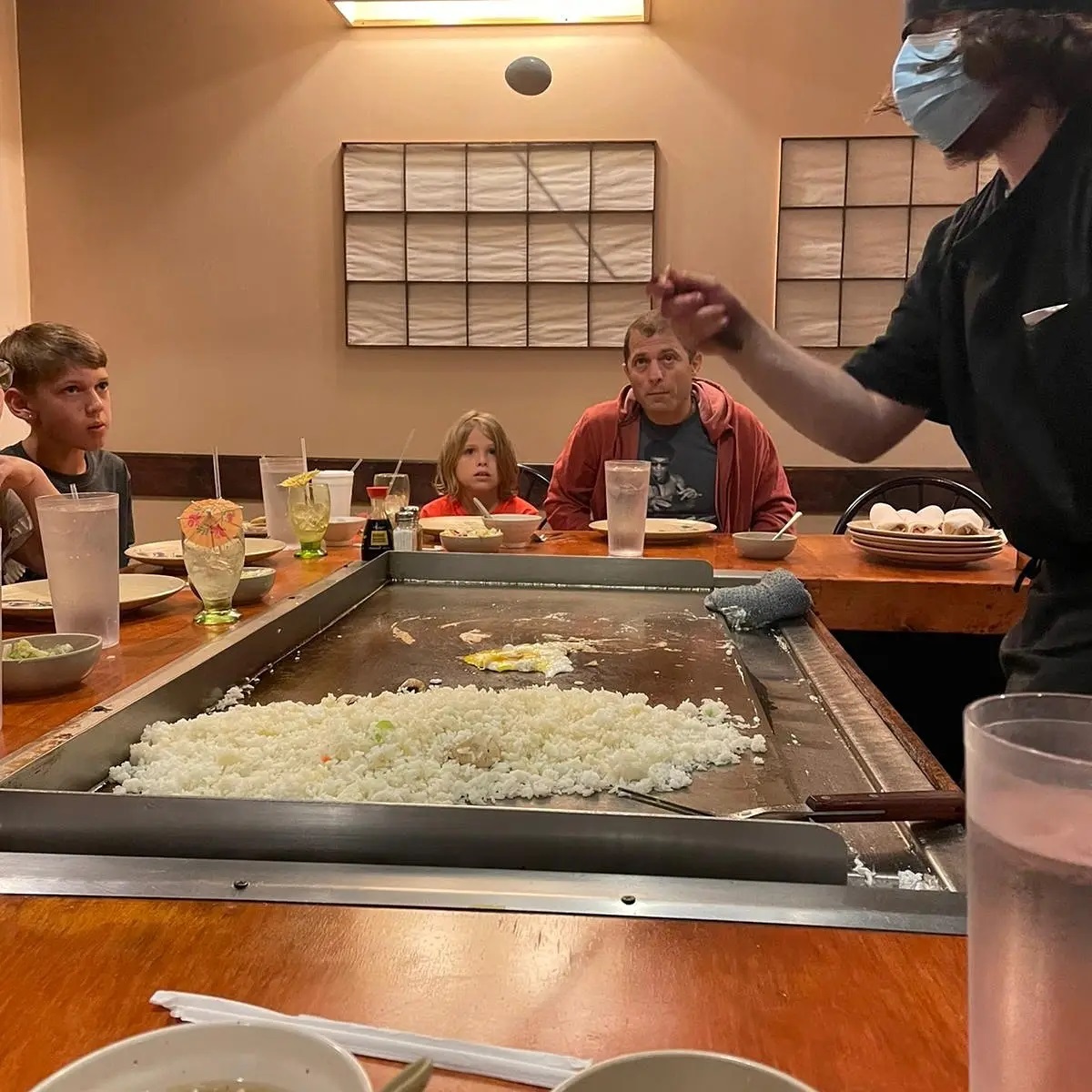
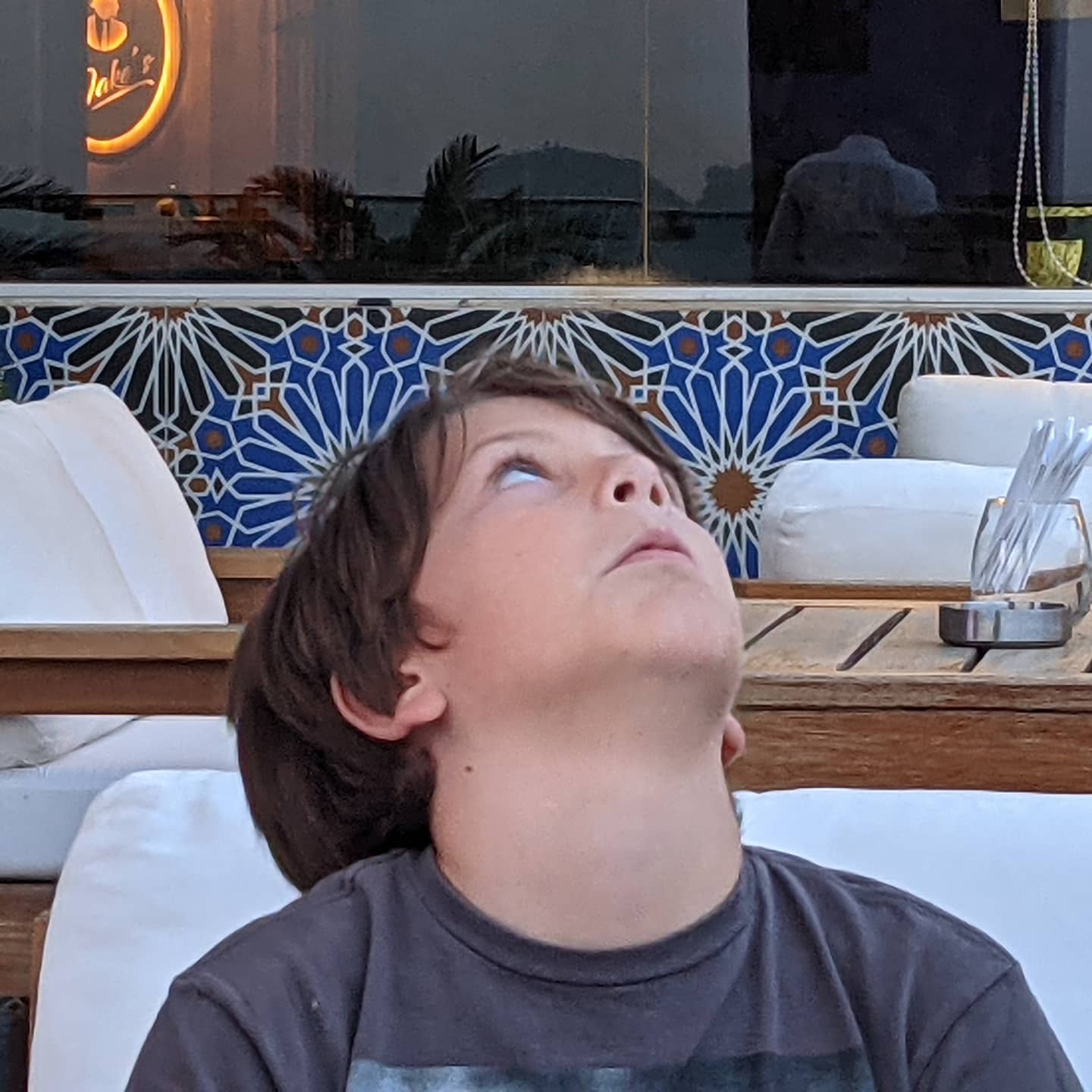
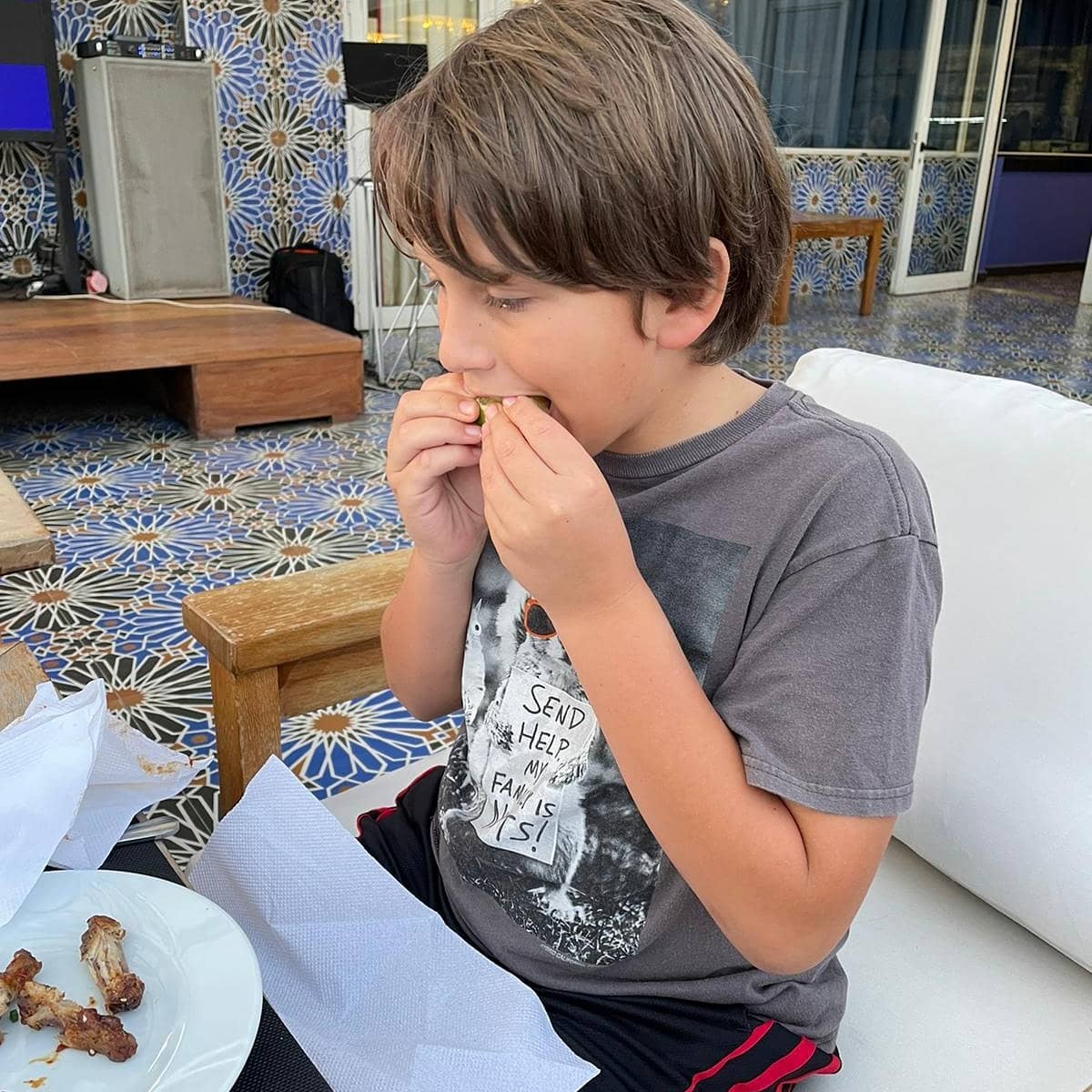
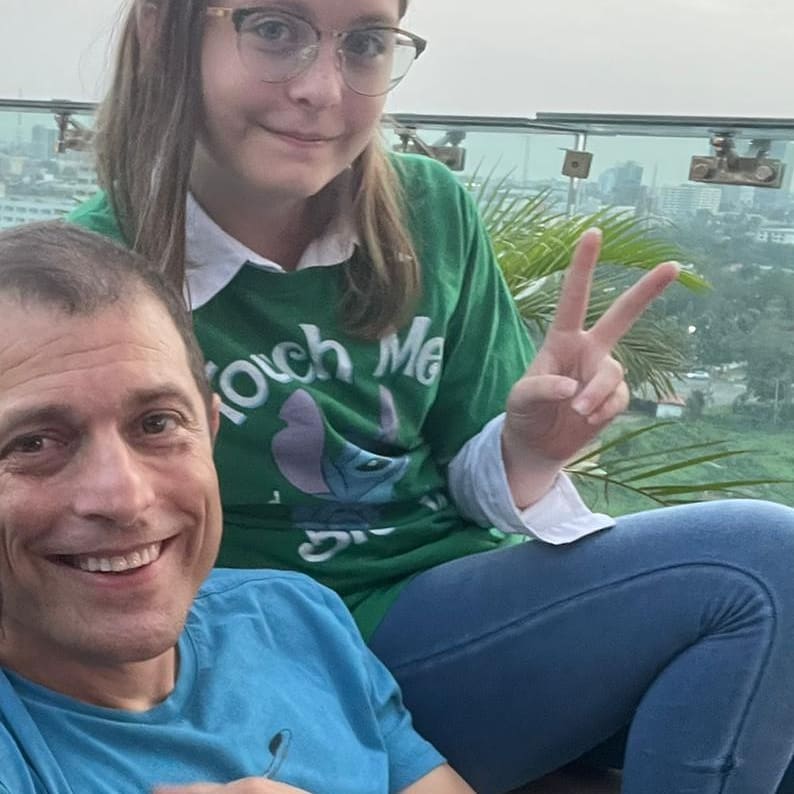
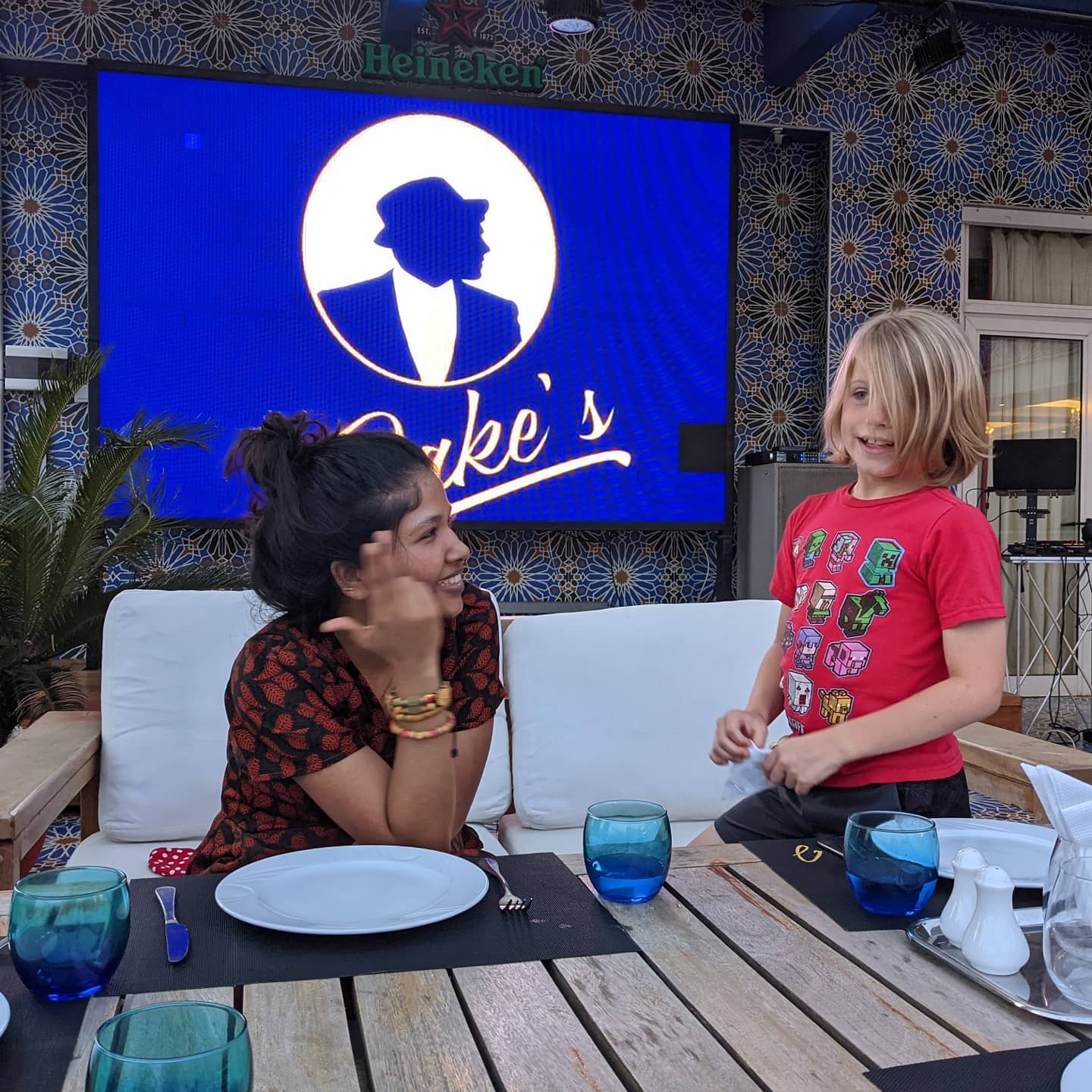
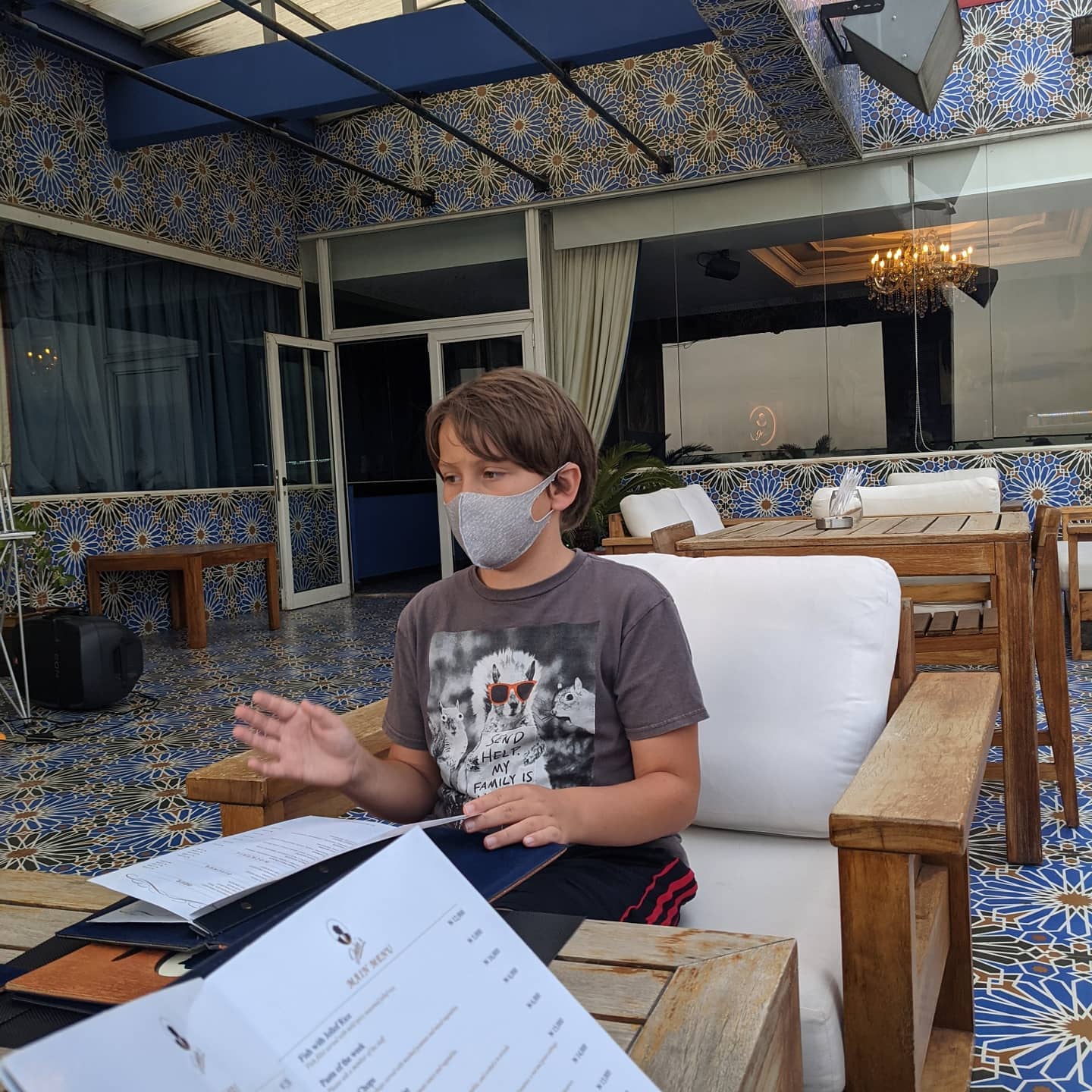
Truman brunch
📍 Abuja, Nigeria, Abuja is the capital city of Nigeria located in the centre of the country within the Federal Capital Territory (FCT). It is a planned city and was built mainly in the 1980s, replacing the country's most populous city of Lagos as the capital on 12 December 1991. Abuja's geography is defined by Aso Rock, a 400m monolith left by water erosion. The Presidential Complex, National Assembly, Supreme Court and much of the city extend to the south of the rock. Zuma Rock, a 792m monolith, lies just north of the city on the road to Kaduna State.At the 2006 census, the city of Abuja had a population of 776,298, making it one of the ten most populous cities in Nigeria. According to the United Nations, Abuja grew by 139.7% between 2000 and 2010, making it the fastest growing city in the world., the city is still experiencing an annual growth of at least 35%, still retaining its position as the fastest-growing city on the African continent and one of the fastest-growing in the world. Abuja has witnessed a huge influx of people into the city; the growth has led to the emergence of satellite towns, such as Karu Urban Area, Suleja, Gwagwalada, Lugbe, Kuje and smaller settlements towards which the planned city is sprawling. The unofficial metropolitan area of Abuja has a population of well over three million, making it the fourth largest metropolitan area in Nigeria, surpassed only by Lagos, Kano and Ibadan. As at 2016, the metropolitan area of Abuja is estimated at 6 million persons, placing it behind only Lagos, as the most populous metro area. · map
April
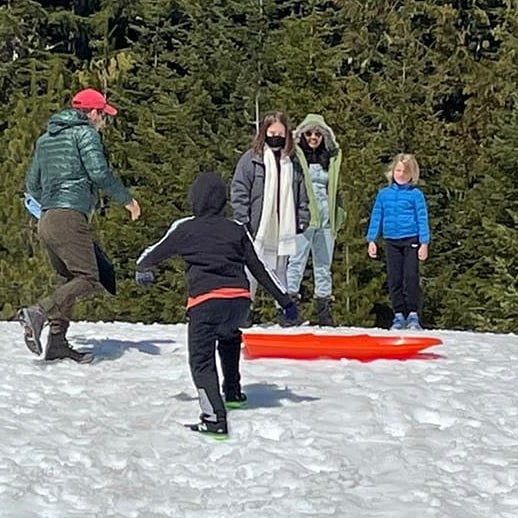
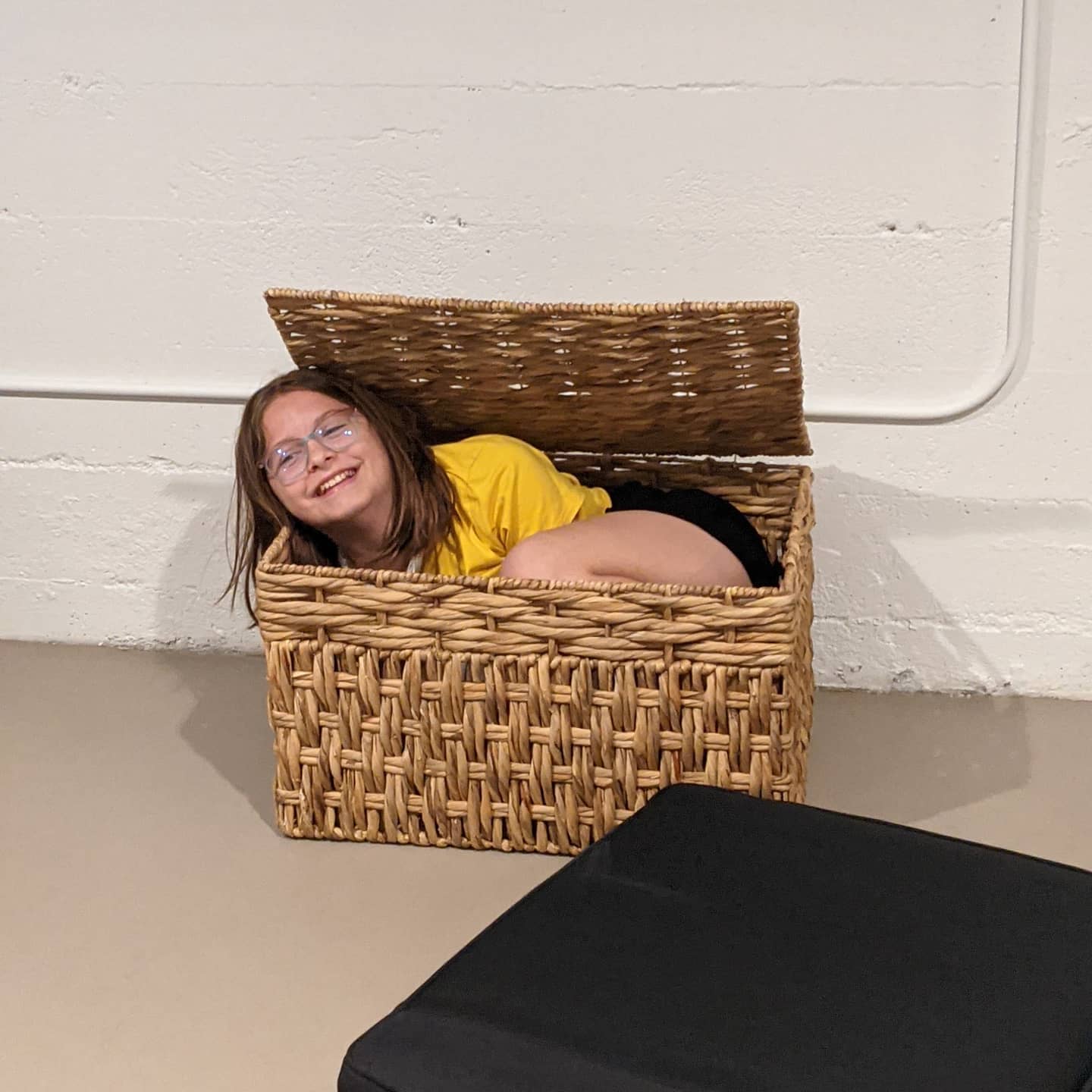
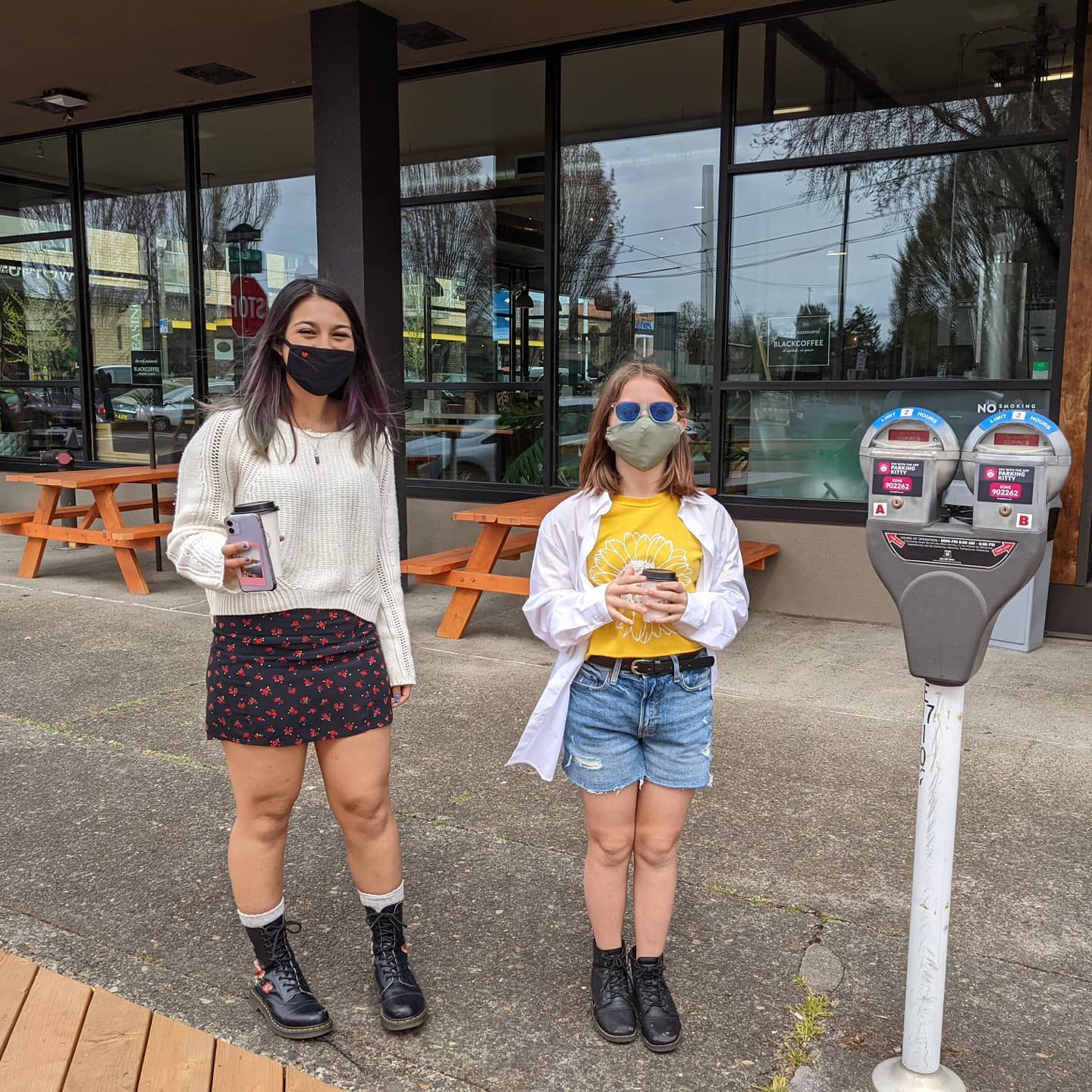
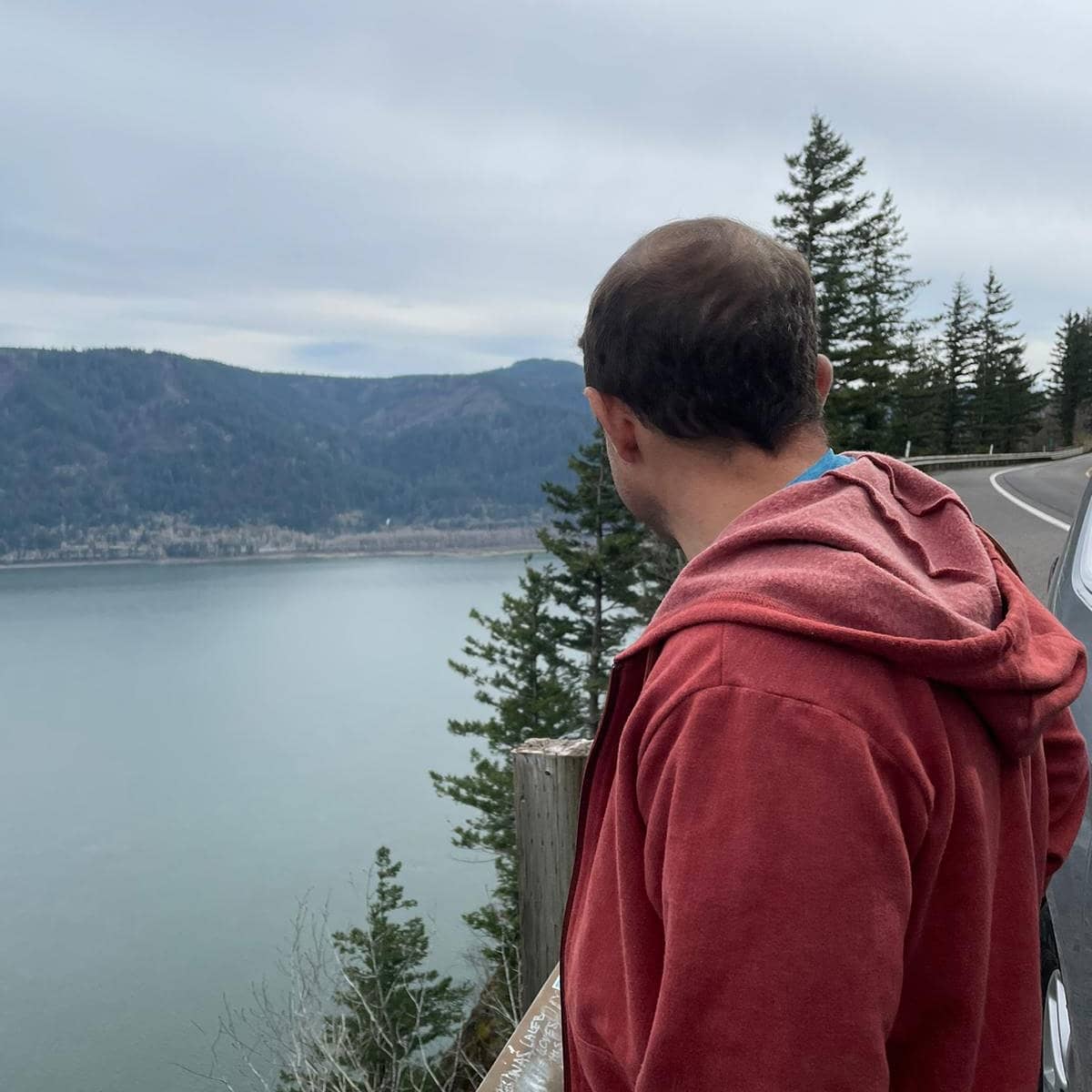
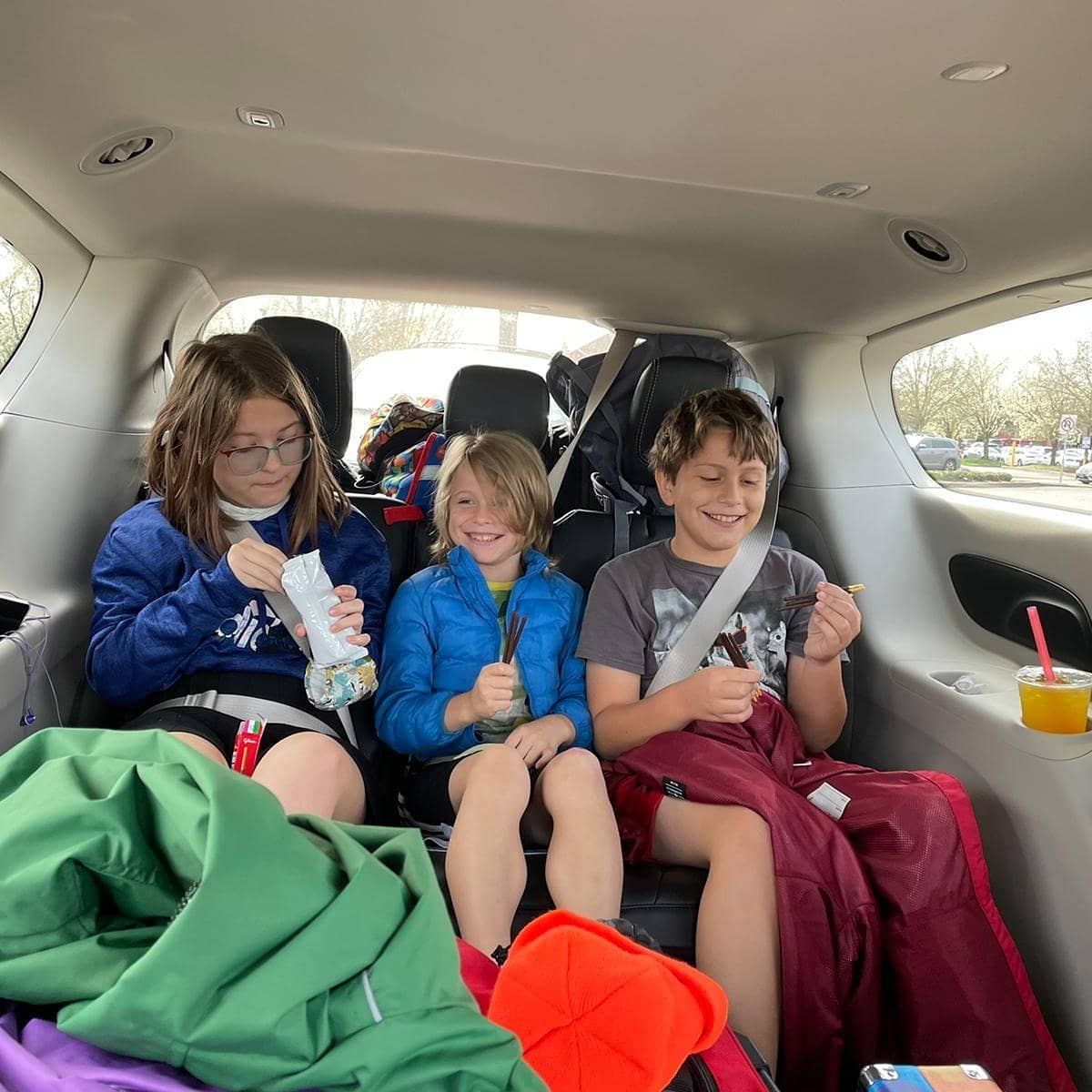
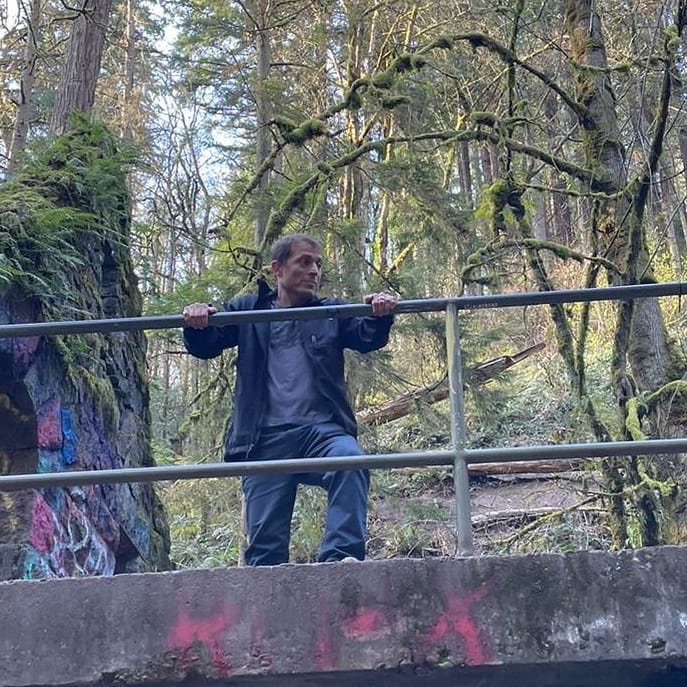
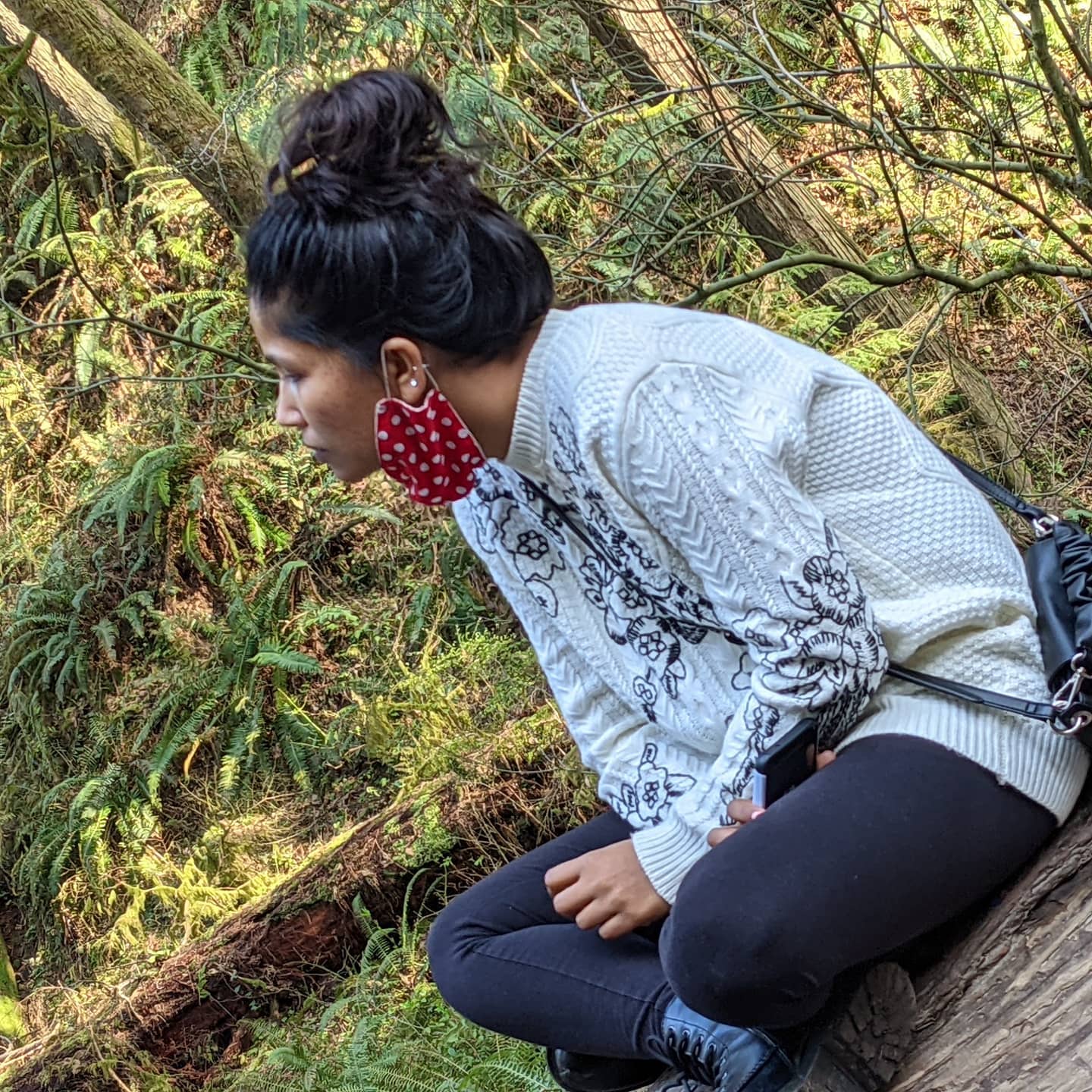
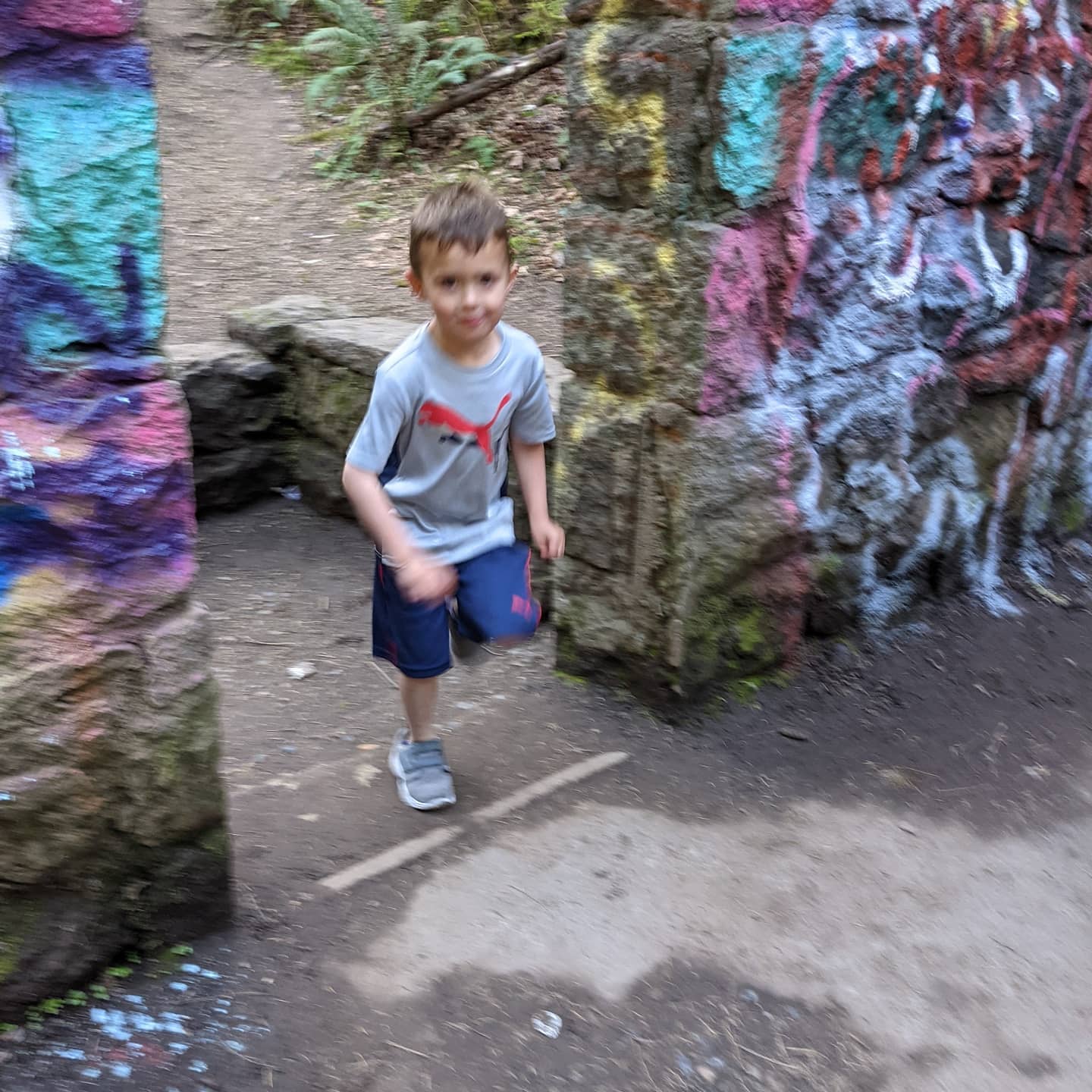
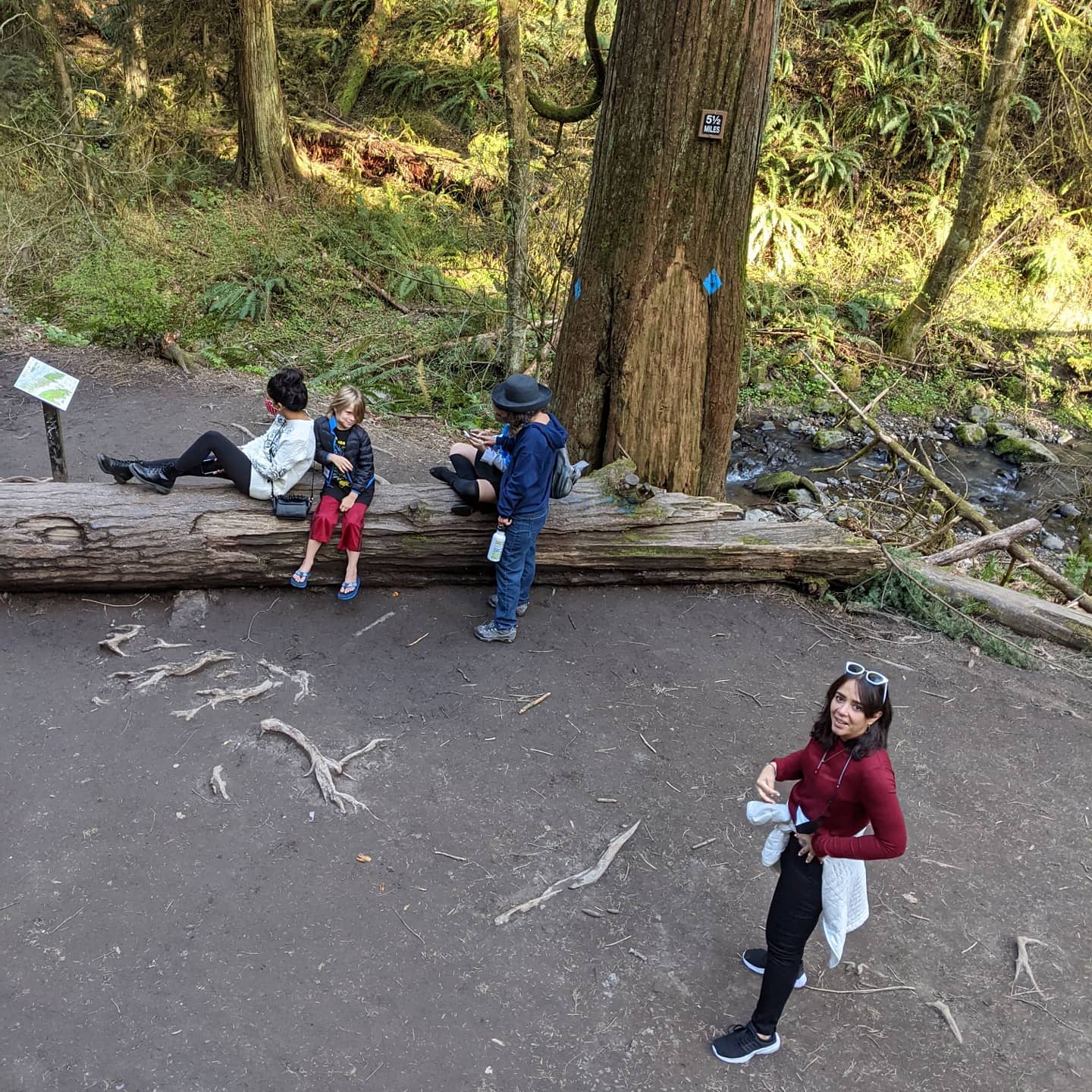
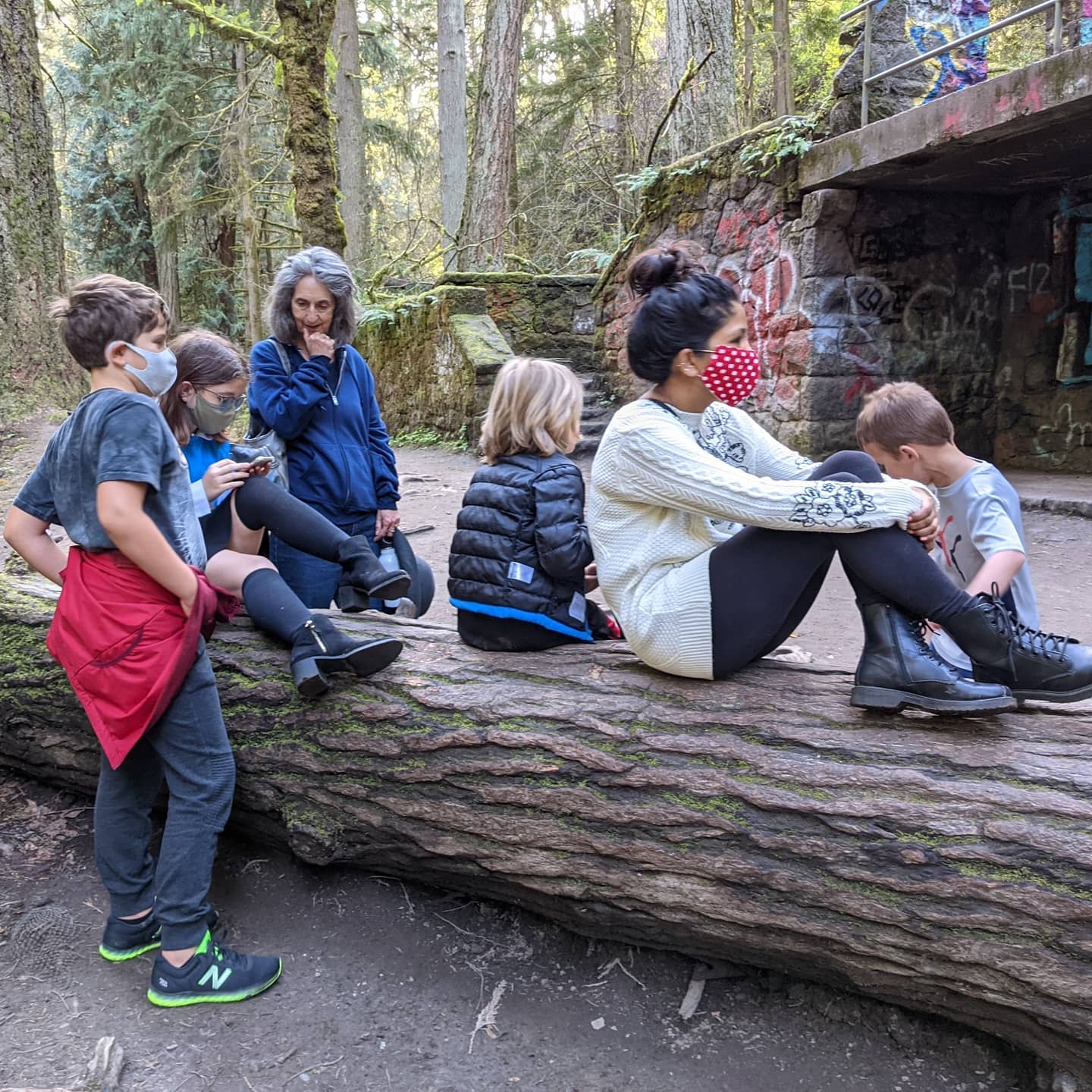
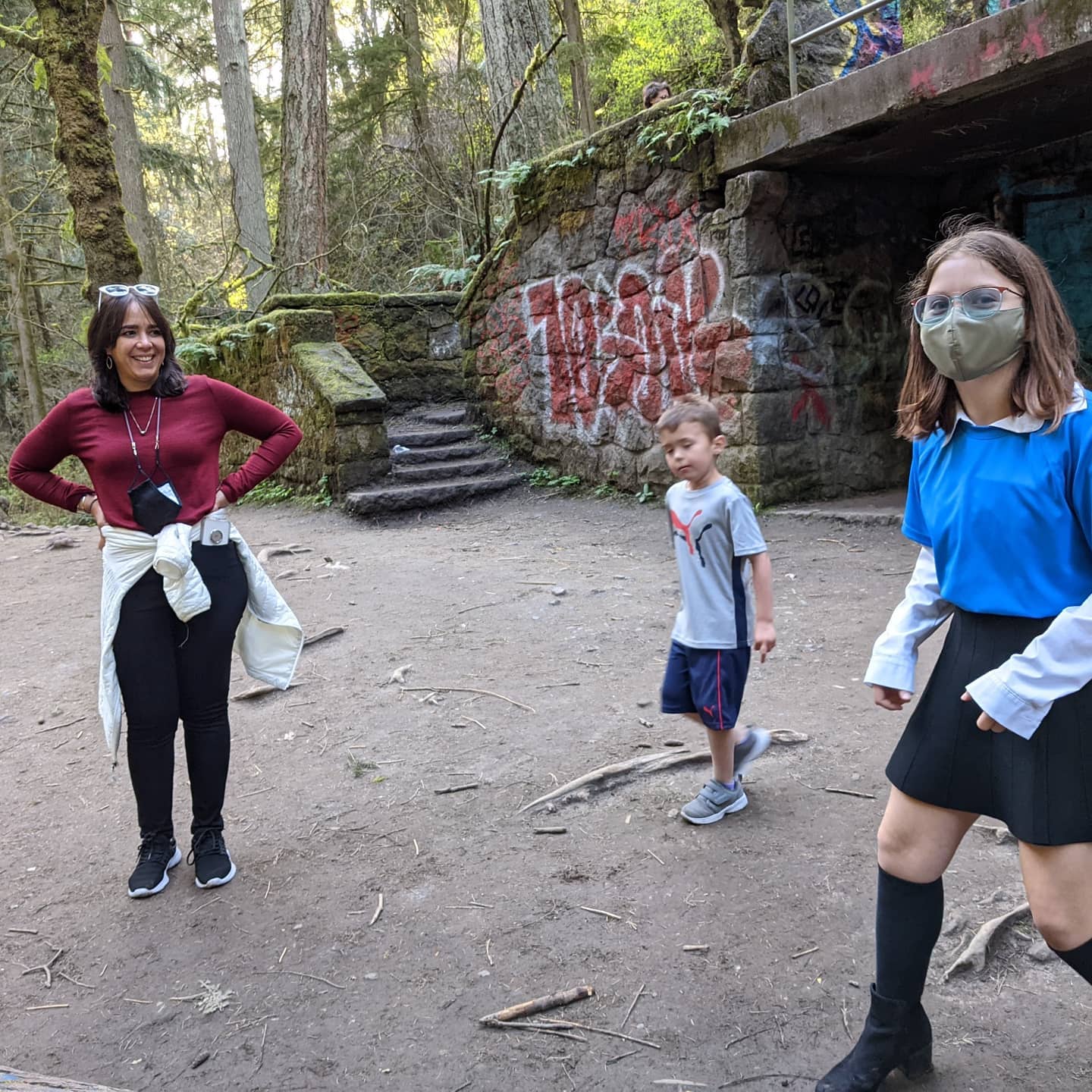
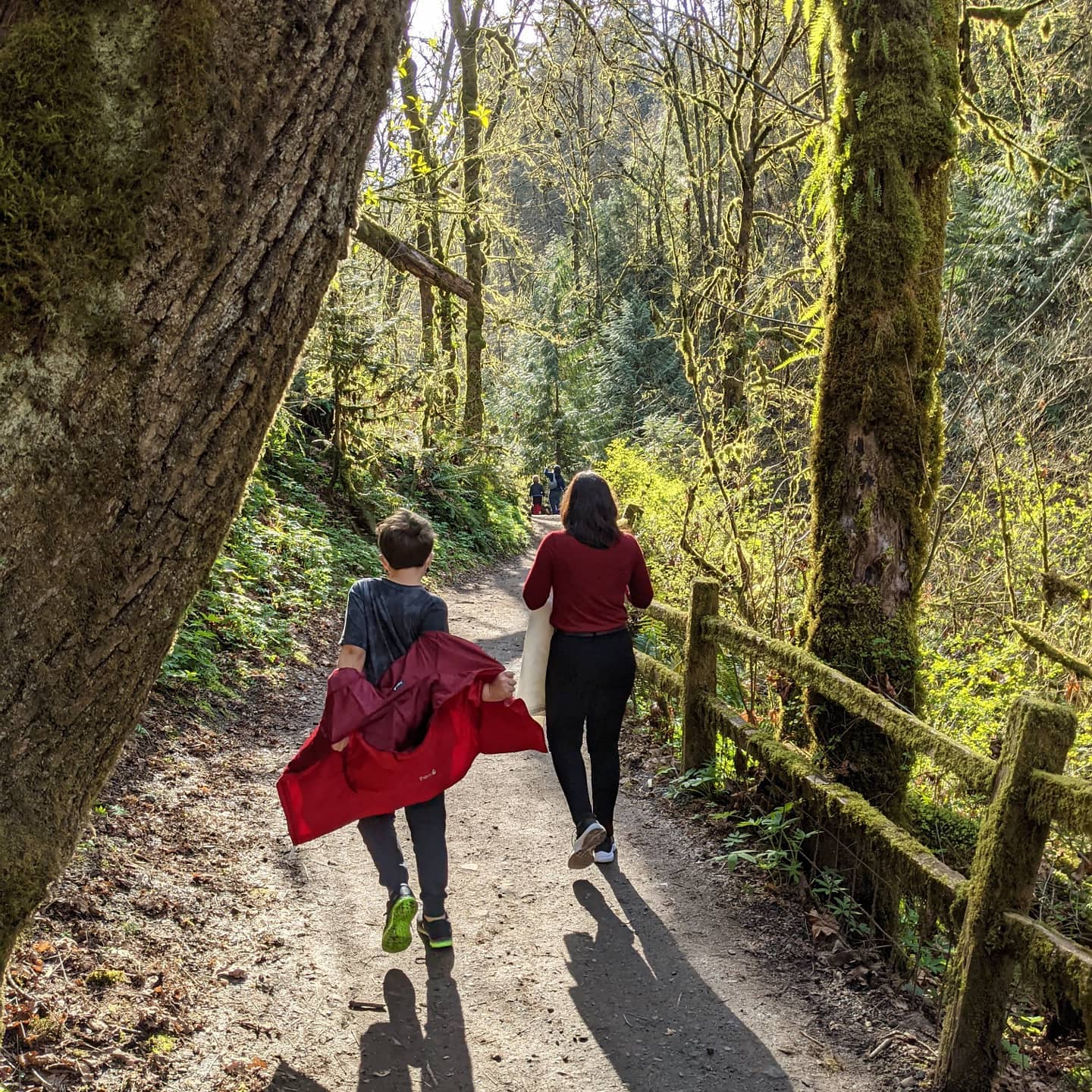
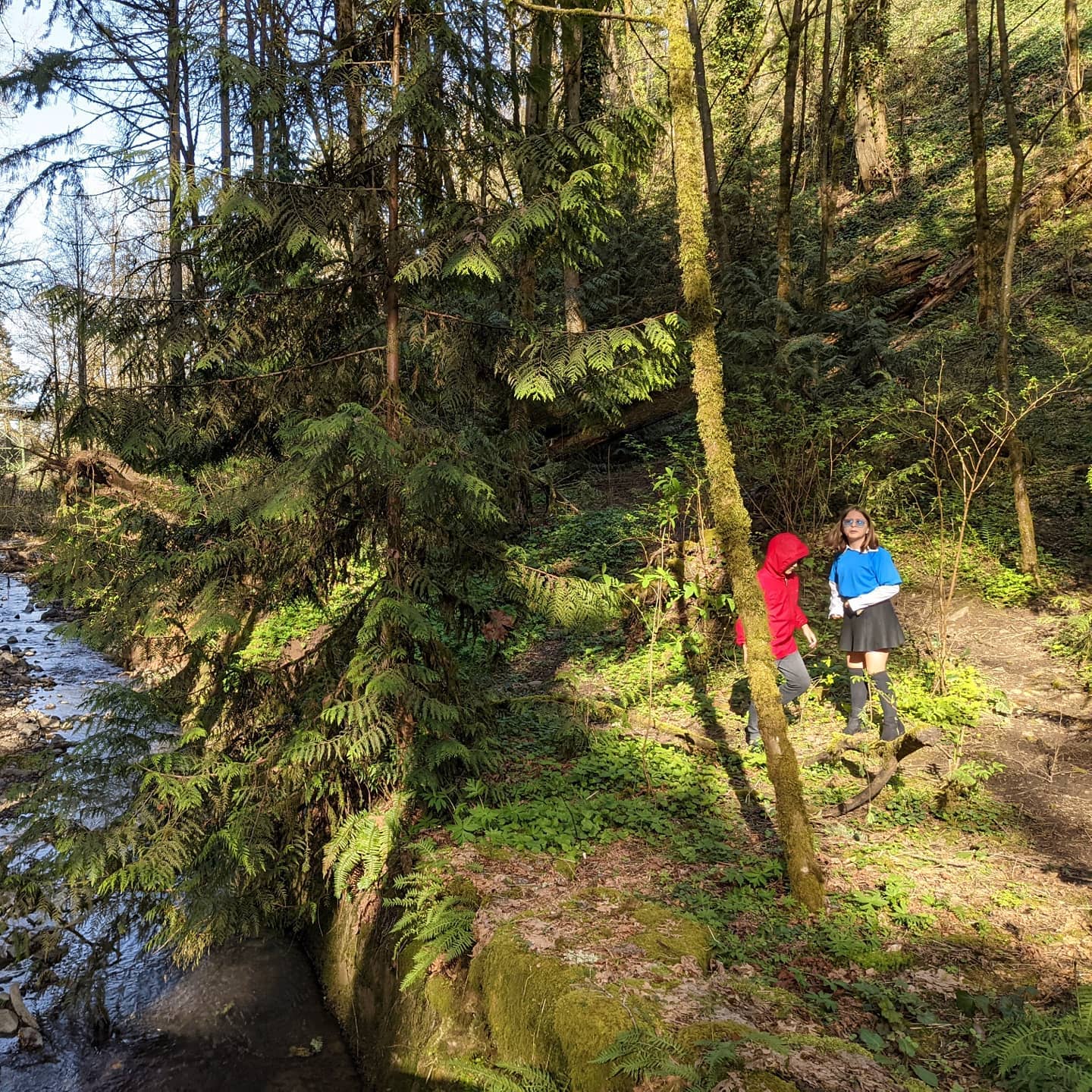
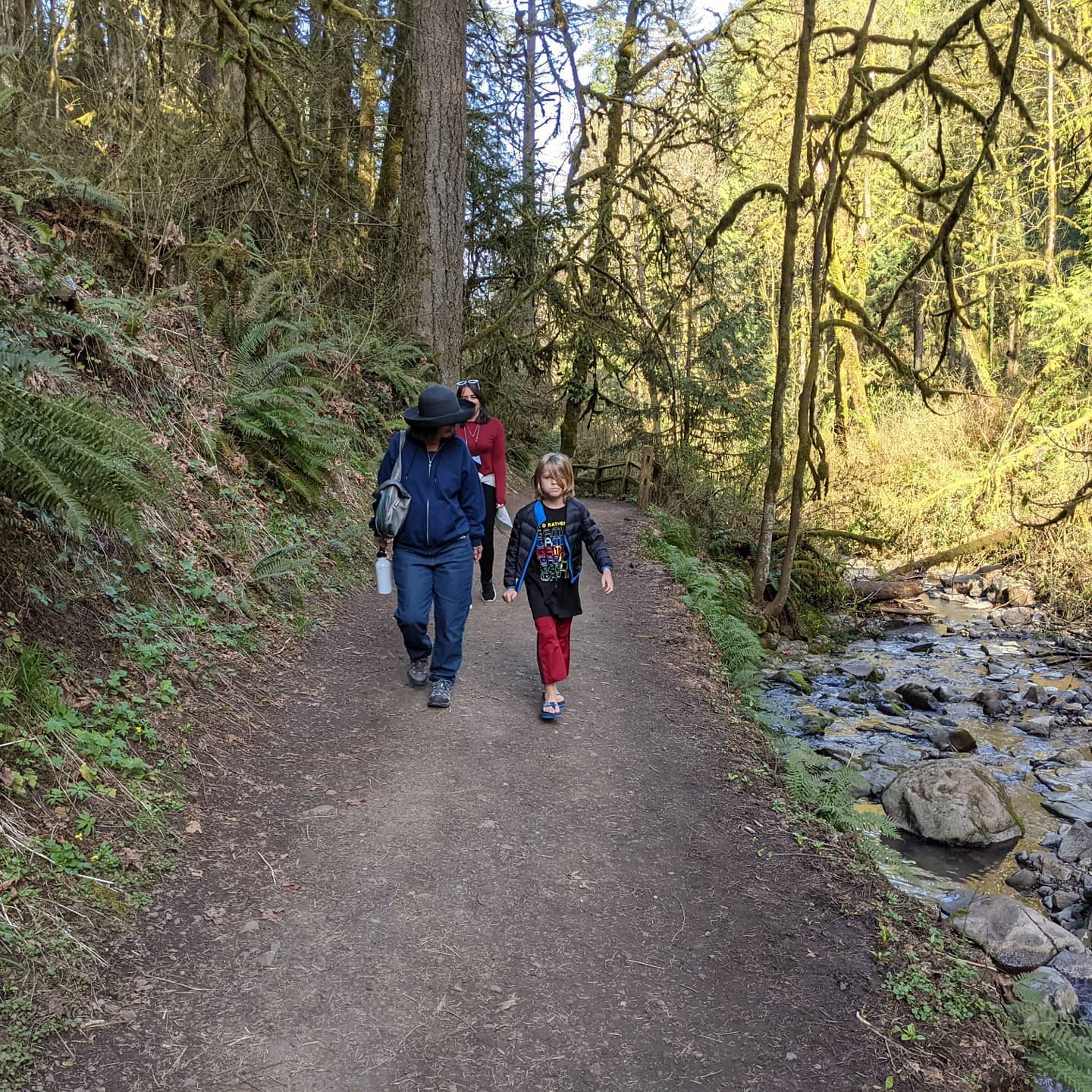
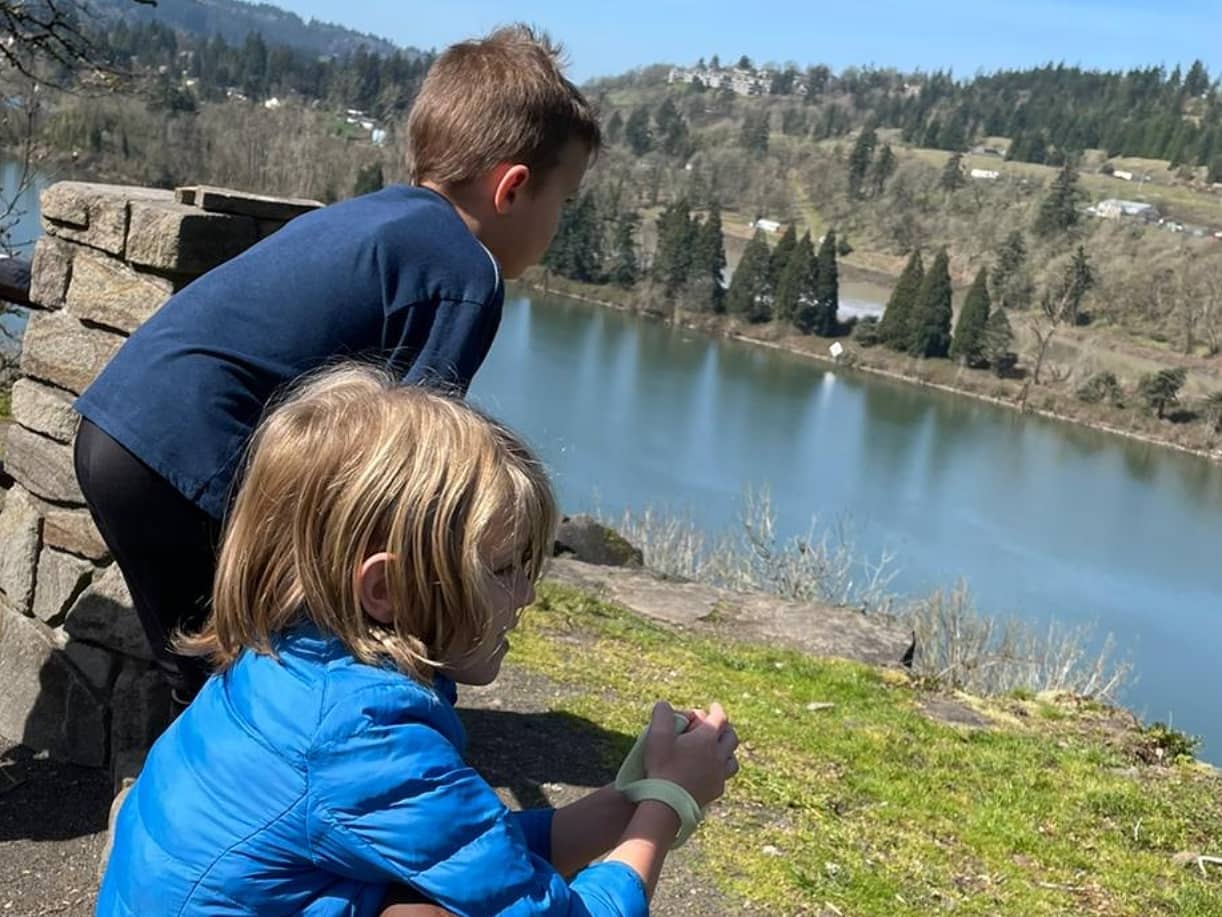
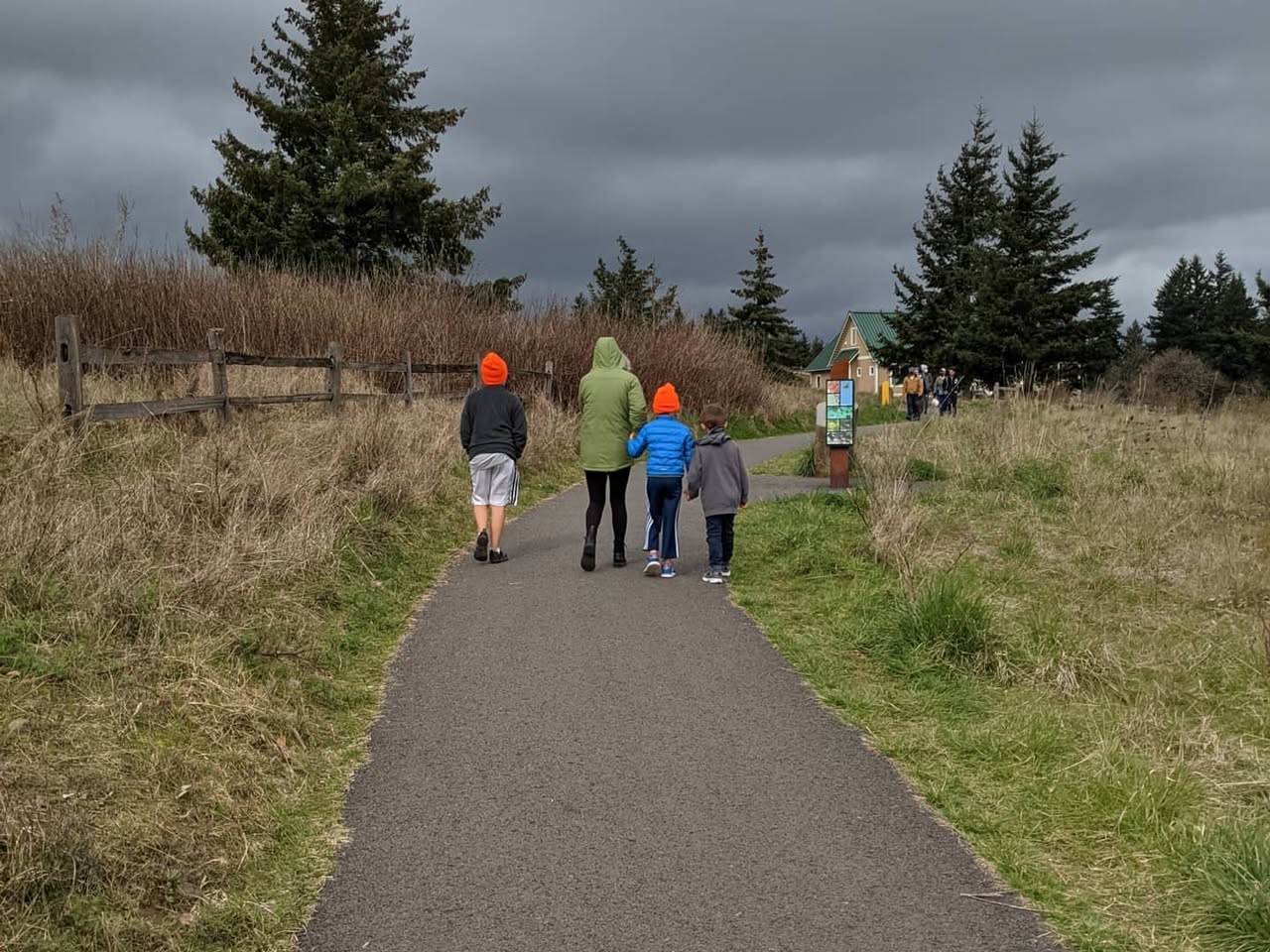
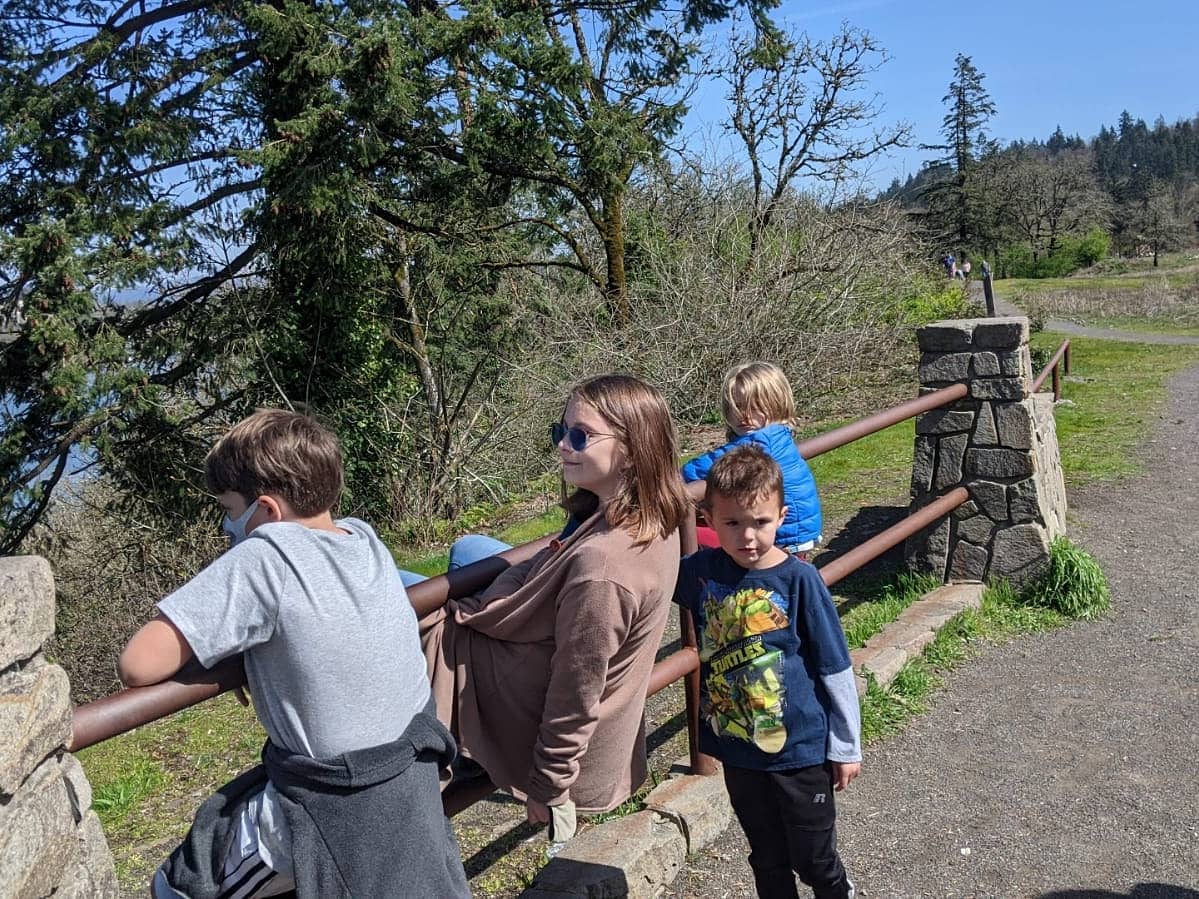
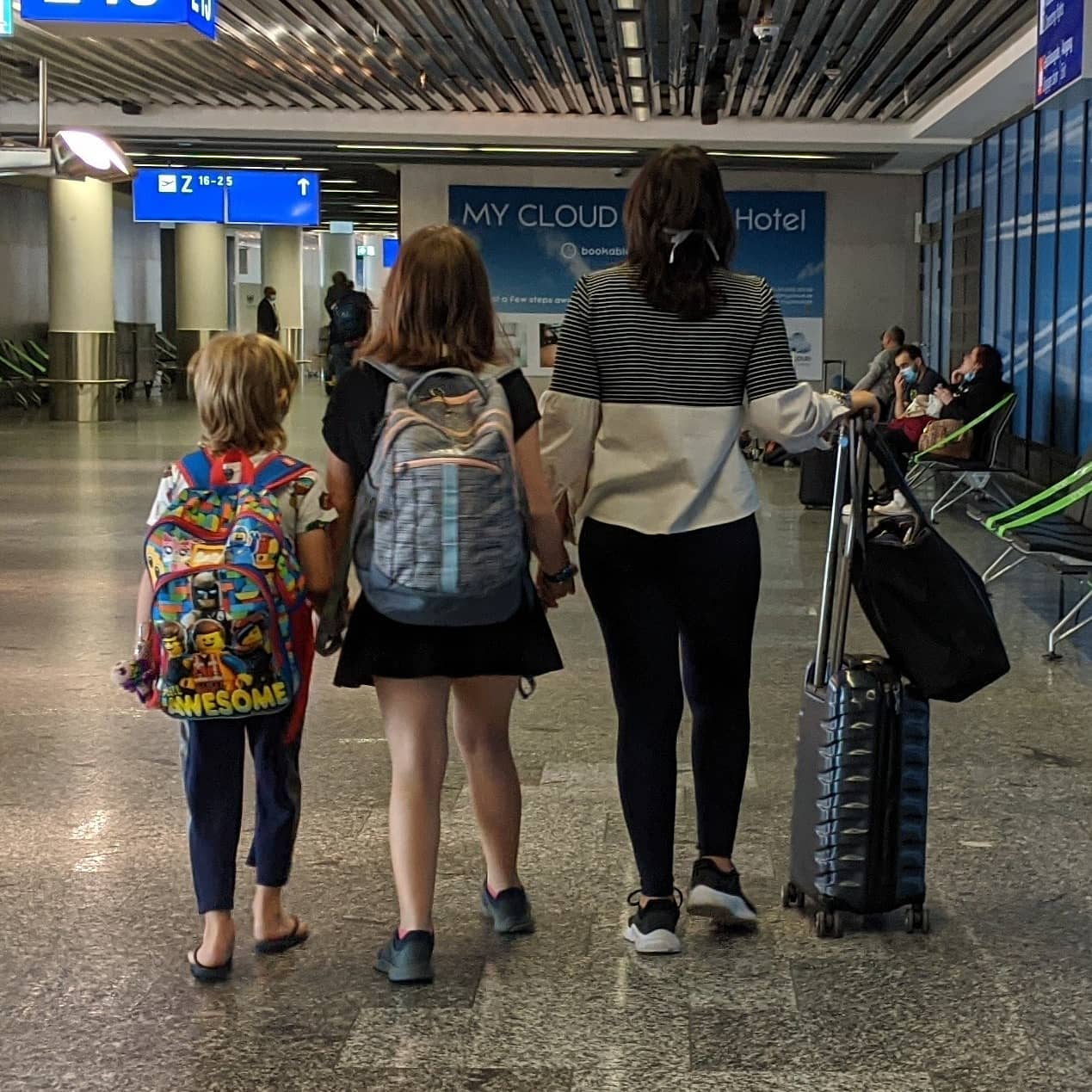
Final shots of portland. We managed to get a socially distanced Allison cameo before departure. We arrived back in Abuja tonight.
📍 Oregon City, Oregon, Oregon City, OR 97045 · map
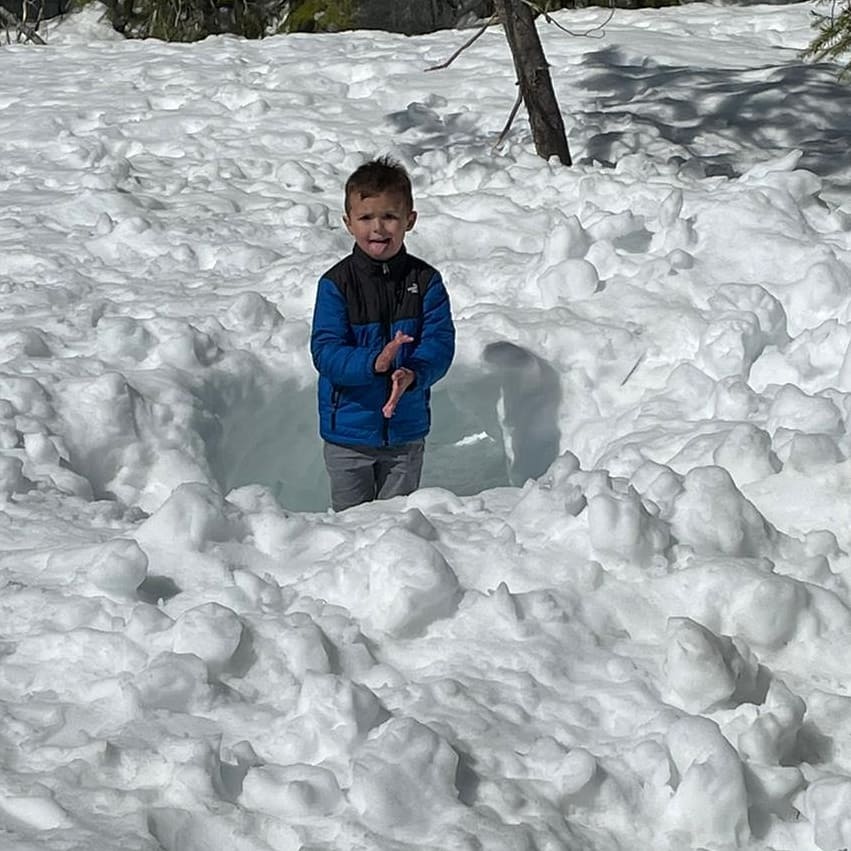
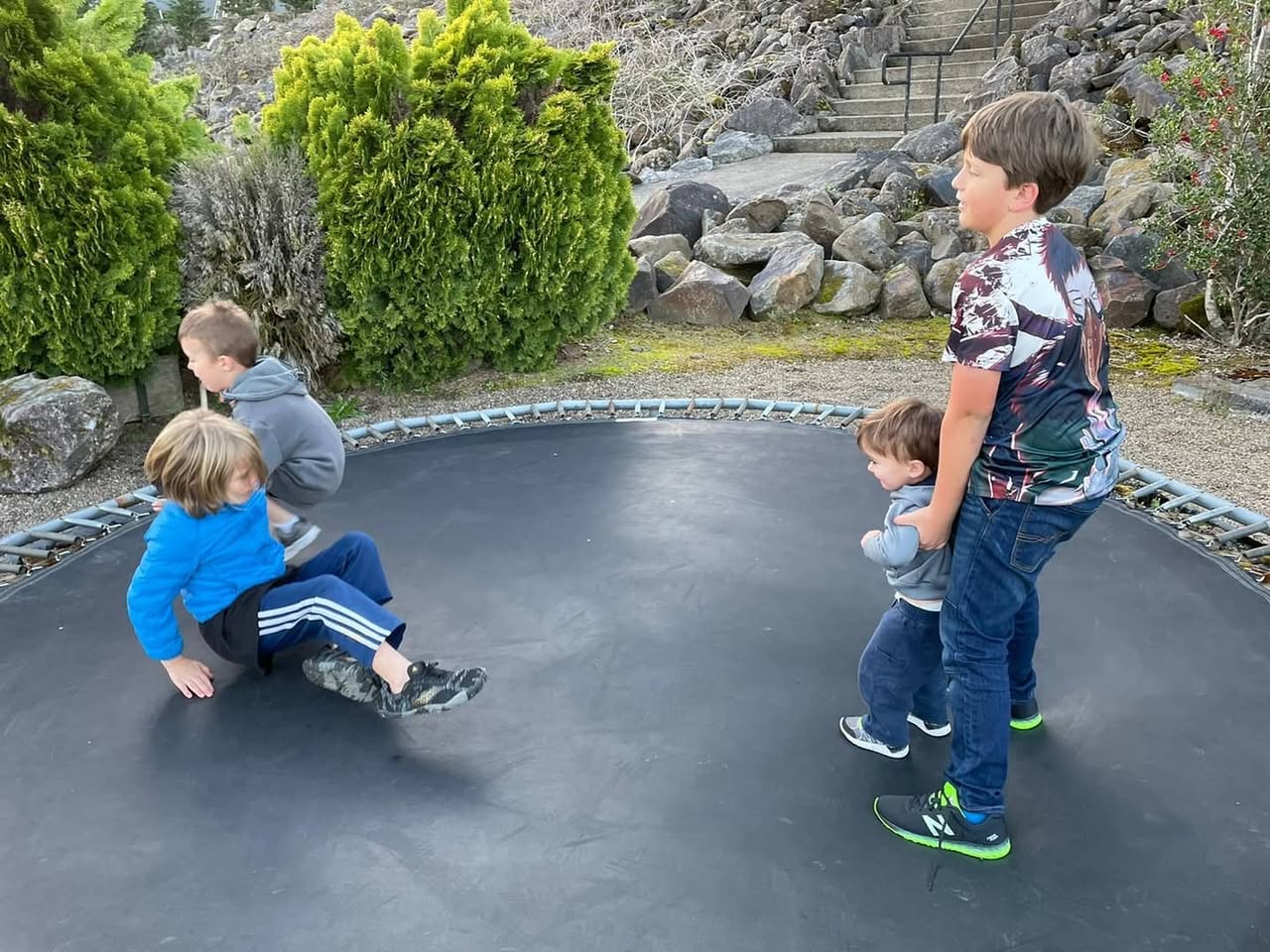
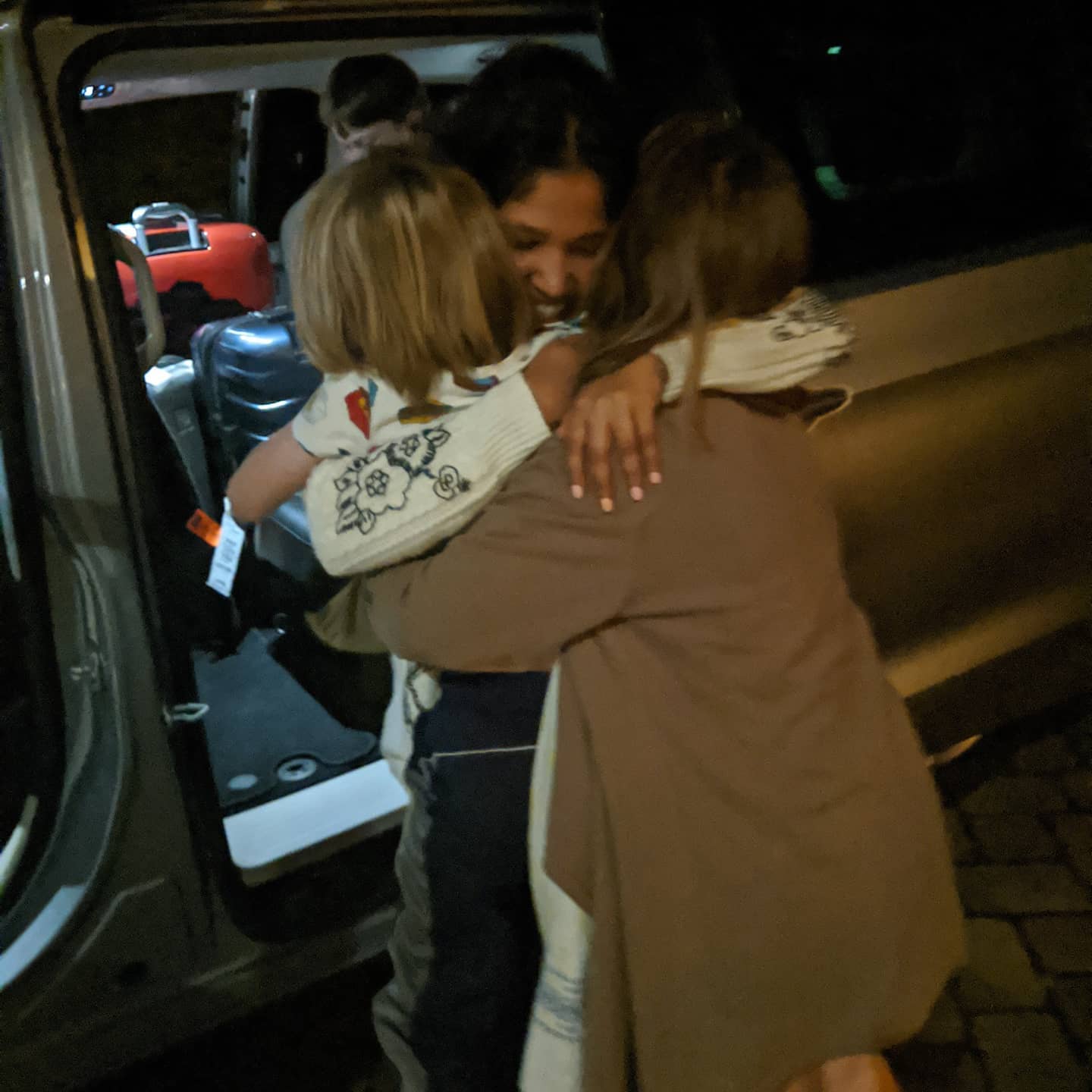
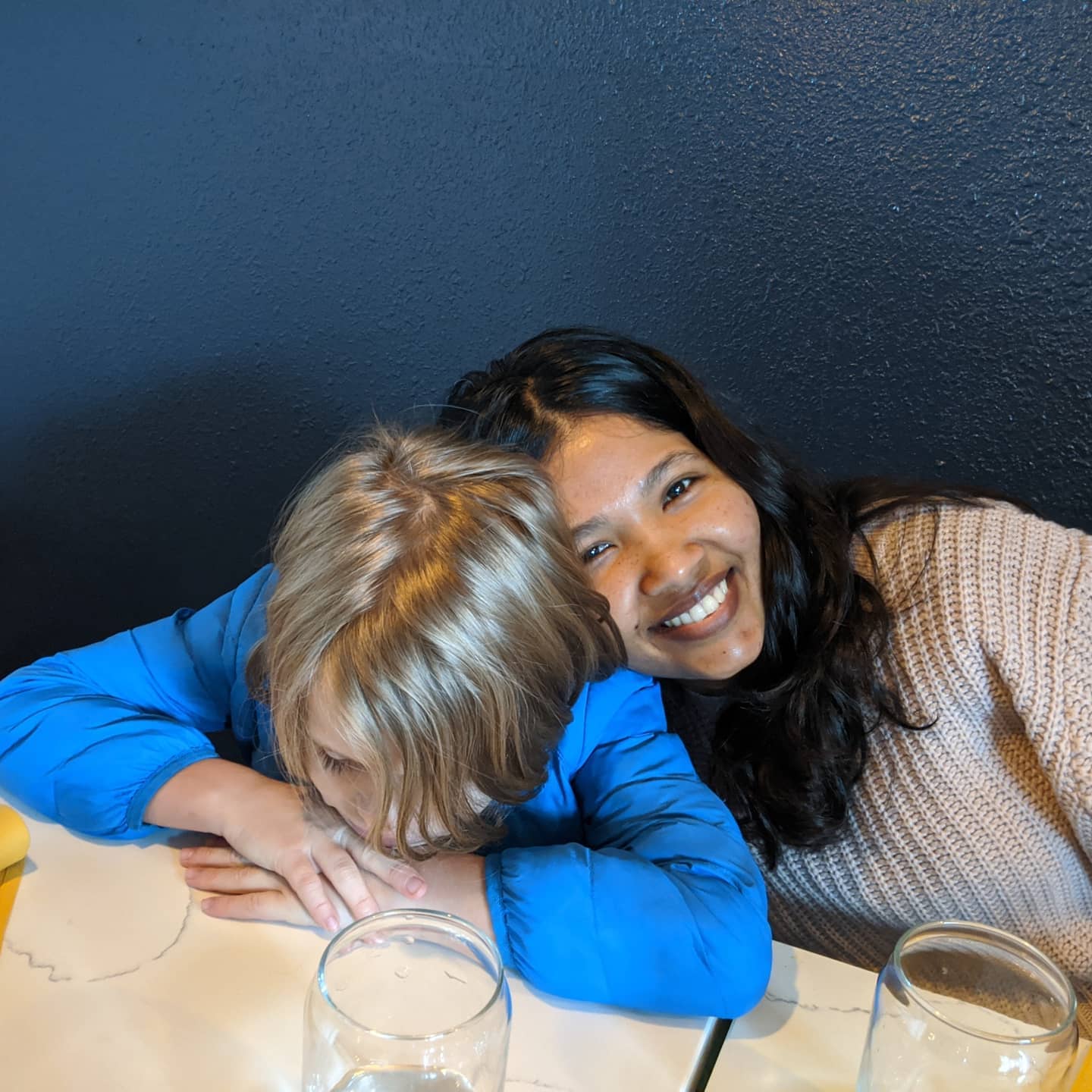
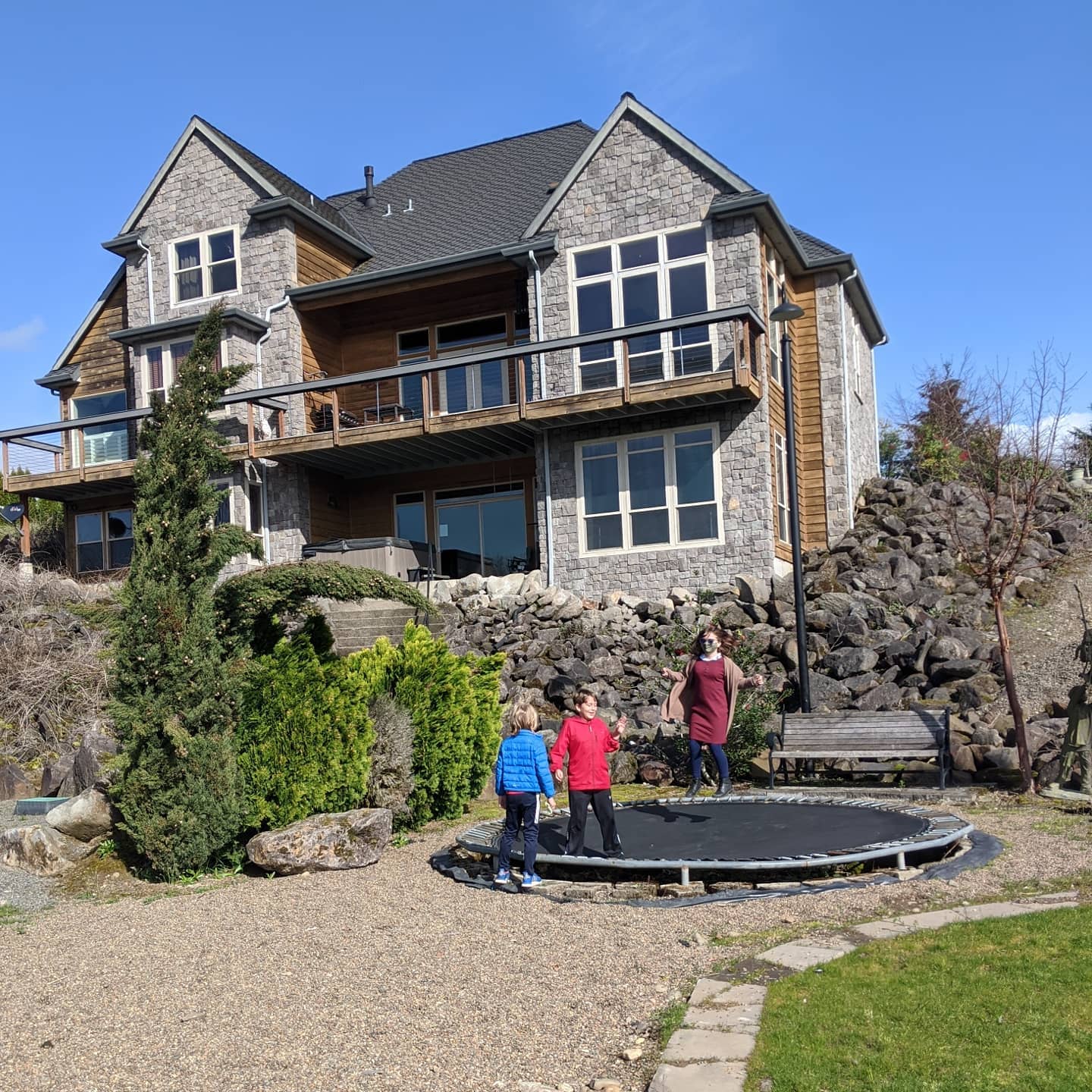
It was a lot of travel last week but we made it. Glad to be in Oregon and the kids are loving seeing Sunita again and playing with their cousins.
📍 Oregon City, Oregon, Oregon City, OR 97045 · map
I wouldn't go so far as to call it our happy place, but we definitely spend a lot of time there and almost always have a good time.
📍 Abuja, Nigeria, Abuja is the capital city of Nigeria located in the centre of the country within the Federal Capital Territory (FCT). It is a planned city and was built mainly in the 1980s, replacing the country's most populous city of Lagos as the capital on 12 December 1991. Abuja's geography is defined by Aso Rock, a 400m monolith left by water erosion. The Presidential Complex, National Assembly, Supreme Court and much of the city extend to the south of the rock. Zuma Rock, a 792m monolith, lies just north of the city on the road to Kaduna State.At the 2006 census, the city of Abuja had a population of 776,298, making it one of the ten most populous cities in Nigeria. According to the United Nations, Abuja grew by 139.7% between 2000 and 2010, making it the fastest growing city in the world., the city is still experiencing an annual growth of at least 35%, still retaining its position as the fastest-growing city on the African continent and one of the fastest-growing in the world. Abuja has witnessed a huge influx of people into the city; the growth has led to the emergence of satellite towns, such as Karu Urban Area, Suleja, Gwagwalada, Lugbe, Kuje and smaller settlements towards which the planned city is sprawling. The unofficial metropolitan area of Abuja has a population of well over three million, making it the fourth largest metropolitan area in Nigeria, surpassed only by Lagos, Kano and Ibadan. As at 2016, the metropolitan area of Abuja is estimated at 6 million persons, placing it behind only Lagos, as the most populous metro area. · map
February
First time in a tie in a year and it's all for naught. My meeting seems to have been cancelled.
📍 Abuja, Nigeria, Abuja is the capital city of Nigeria located in the centre of the country within the Federal Capital Territory (FCT). It is a planned city and was built mainly in the 1980s, replacing the country's most populous city of Lagos as the capital on 12 December 1991. Abuja's geography is defined by Aso Rock, a 400m monolith left by water erosion. The Presidential Complex, National Assembly, Supreme Court and much of the city extend to the south of the rock. Zuma Rock, a 792m monolith, lies just north of the city on the road to Kaduna State.At the 2006 census, the city of Abuja had a population of 776,298, making it one of the ten most populous cities in Nigeria. According to the United Nations, Abuja grew by 139.7% between 2000 and 2010, making it the fastest growing city in the world., the city is still experiencing an annual growth of at least 35%, still retaining its position as the fastest-growing city on the African continent and one of the fastest-growing in the world. Abuja has witnessed a huge influx of people into the city; the growth has led to the emergence of satellite towns, such as Karu Urban Area, Suleja, Gwagwalada, Lugbe, Kuje and smaller settlements towards which the planned city is sprawling. The unofficial metropolitan area of Abuja has a population of well over three million, making it the fourth largest metropolitan area in Nigeria, surpassed only by Lagos, Kano and Ibadan. As at 2016, the metropolitan area of Abuja is estimated at 6 million persons, placing it behind only Lagos, as the most populous metro area. · map
House hunting!
January
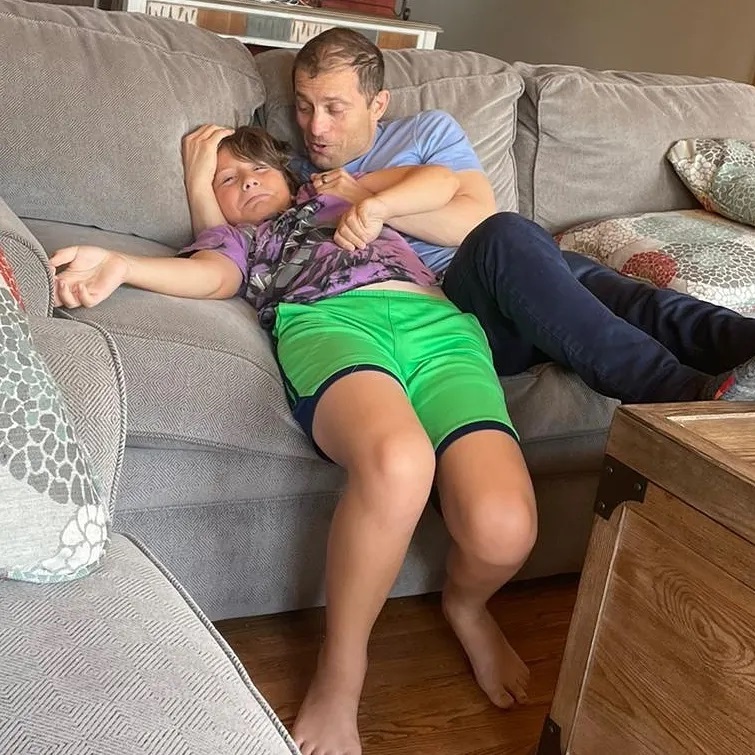
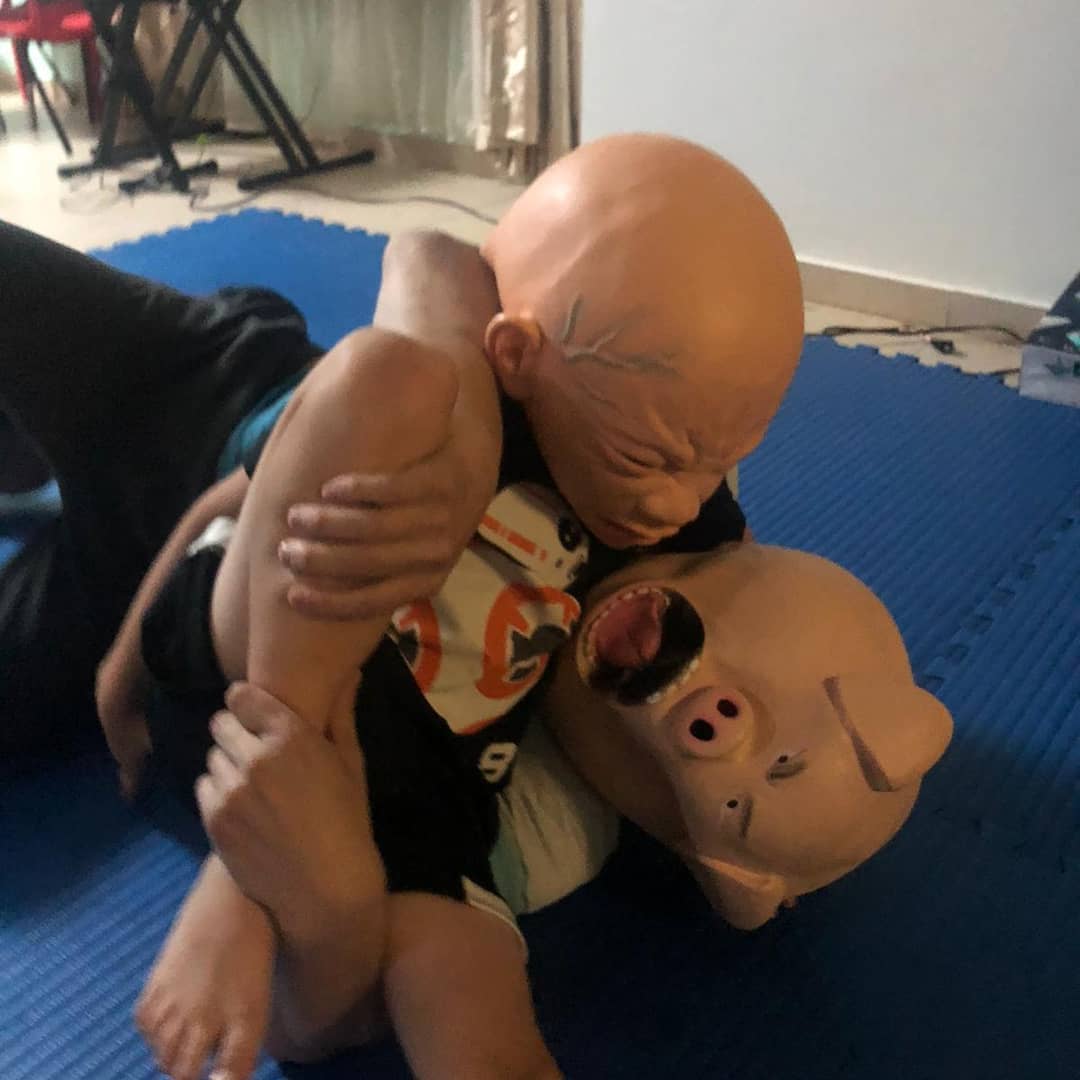
Some evening Jiu-Jitsu
📍 Abuja, Nigeria, Abuja is the capital city of Nigeria located in the centre of the country within the Federal Capital Territory (FCT). It is a planned city and was built mainly in the 1980s, replacing the country's most populous city of Lagos as the capital on 12 December 1991. Abuja's geography is defined by Aso Rock, a 400m monolith left by water erosion. The Presidential Complex, National Assembly, Supreme Court and much of the city extend to the south of the rock. Zuma Rock, a 792m monolith, lies just north of the city on the road to Kaduna State.At the 2006 census, the city of Abuja had a population of 776,298, making it one of the ten most populous cities in Nigeria. According to the United Nations, Abuja grew by 139.7% between 2000 and 2010, making it the fastest growing city in the world., the city is still experiencing an annual growth of at least 35%, still retaining its position as the fastest-growing city on the African continent and one of the fastest-growing in the world. Abuja has witnessed a huge influx of people into the city; the growth has led to the emergence of satellite towns, such as Karu Urban Area, Suleja, Gwagwalada, Lugbe, Kuje and smaller settlements towards which the planned city is sprawling. The unofficial metropolitan area of Abuja has a population of well over three million, making it the fourth largest metropolitan area in Nigeria, surpassed only by Lagos, Kano and Ibadan. As at 2016, the metropolitan area of Abuja is estimated at 6 million persons, placing it behind only Lagos, as the most populous metro area. · map